



All Terrier Dog Breeds: Terrier Types, Temperament, and Care Guide
Terriers are among the most spirited, tenacious, and boldly characterful dogs in the world - earth dogs turned fearless companions. This complete guide covers every terrier breed, their temperament, health concerns, care requirements, and what makes each one extraordinary.
The word "terrier" comes from the Latin "terra," meaning earth. Terriers were bred to go to ground - to dig, bolt, and dispatch vermin and quarry from burrows and dens. This working origin, developed independently across the British Isles and Europe over several centuries, explains why terriers share a distinctive personality profile that cuts across every size: explosive courage in a compact body, independent judgment, relentless energy, and an absolute conviction that they are the most important creature in any room. To understand how terriers fit within the wider world of dog breeds, see our complete guide to understanding dog breed categories.
1. What Is a Terrier? Origins, Purpose, and Key Characteristics

Terriers belong to the Terrier Group in most kennel club classifications, though bull-type terriers are sometimes grouped with working or utility dogs depending on the registry. Their original purpose was pest control and earth work: locating, flushing, and killing rodents, foxes, badgers, and other burrowing animals that threatened livestock and grain stores. This working origin explains several characteristics shared across nearly all terrier breeds today:
- Independent, self-reliant judgment: Terriers were bred to act alone underground, without handler direction. This translates into a dog that makes its own decisions confidently, which is wonderful for character but requires consistent, early training to manage in a domestic context.
- High prey drive and reactivity: The instinct to pursue and dispatch small, fast-moving animals is deeply embedded across the terrier group. Most terriers will chase squirrels, birds, cats, and other small dogs without hesitation regardless of training history.
- Extraordinary courage relative to size: Terriers were bred to face animals much larger than themselves underground where retreat was impossible. This produces a dog that does not back down, does not read threats as reasons to flee, and will engage confidently with situations that would alarm most other breeds.
- Dense, weather-resistant coats: Many traditional terrier breeds have wiry, hard outer coats that shed minimally but require hand-stripping rather than clipping to maintain correct texture. Soft coats that are clipped rather than stripped eventually lose the characteristic hard texture of the working coat.
- Compact, muscular build with exceptional stamina: Terriers are built to work all day. Despite their size, most terriers have significantly more endurance and energy than their physical dimensions suggest, and they require substantially more daily exercise than many owners expect.
Working Terriers vs Companion Terriers
Terriers broadly divide into two practical categories, though the line is blurrier than in spaniel or retriever groups because most terriers retain strong working instincts regardless of breeding line.
| Category | Exercise | Temperament | Suitability |
|---|---|---|---|
| Working and Sporting Terriers | High (60 to 90 mins daily minimum) | Alert, driven, tenacious, prey-focused, highly energetic | Active owners, rural or suburban settings, experienced terrier handlers |
| Companion Terriers | Moderate (45 to 60 mins daily) | Spirited but adaptable, affectionate, manageable indoors | Active urban families, experienced first-time owners who understand the terrier temperament |
Health Concerns Common Across Terrier Breeds
Several health issues affect terriers as a group, driven by their shared anatomy, high-energy working heritage, and in some cases centuries of intensive selective breeding. Every prospective terrier owner should understand these before choosing a breed:
- Skin allergies and atopic dermatitis: The single most widespread health issue across the terrier group. Many terrier breeds, particularly Westies, Scottish Terriers, and Bull Terriers, carry high rates of skin allergies driven by both genetic predisposition and dietary triggers. Skin issues in terriers often begin with food sensitivities, making high-quality, single-protein wet food diet management a meaningful first-line intervention.
- Luxating patella: Common in smaller terrier breeds. The kneecap slips out of position during movement, causing intermittent lameness. Manageable with weight control and in more severe cases surgical correction.
- Hip and elbow dysplasia: Affects larger terrier breeds including the Airedale, Irish Terrier, and Soft-Coated Wheaten. Hip and elbow dysplasia and common health problems in dogs are essential reading for any large terrier owner.
- Hereditary eye conditions: Primary lens luxation (PLL) is a serious hereditary eye condition with elevated prevalence in multiple terrier breeds including the Jack Russell, Welsh, Fox, and Parson Russell Terriers. DNA testing of breeding stock is important. Regular annual eye checks from age 3 are advisable.
- Cardiac conditions: Mitral valve disease and other cardiac issues are documented in several smaller terrier breeds. Annual cardiac screening from age 5 is advisable for predisposed breeds.
- Heat sensitivity in India: Terriers with dense double coats (Westies, Scotties, Cairn Terriers, Airedales) retain heat significantly in India's climate and require careful management during the months of March to June. Access to air conditioning and avoiding midday outdoor activity are essential welfare provisions.
2. The 10 Most Popular Terrier Breeds

| Origin | England |
| Weight | 6 to 8 kg |
| Life Expectancy | 13 to 16 years |
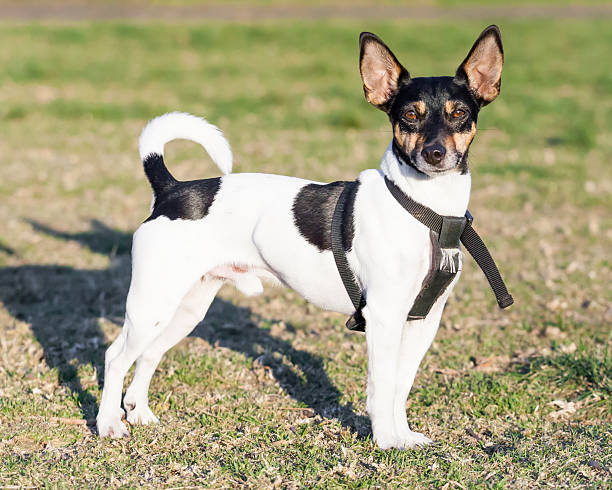
The Jack Russell Terrier is the most widely recognised small terrier in the world - a compact, predominantly white working terrier developed in 19th-century England by Reverend John Russell specifically for fox hunting. Russell wanted a dog small enough to follow a fox into its earth yet hardy enough to work all day alongside horses. The result was a dog of remarkable athleticism, boldness, and personality packed into a body weighing under 8 kg. In India, the Jack Russell has become one of the more popular small breeds among urban pet parents who are drawn to its compact size and spirited energy - but underestimating this breed's intelligence and exercise requirements is the most common mistake new owners make. A Jack Russell without sufficient daily activity and mental stimulation becomes a destructive, noisy problem in any household.

| Origin | England |
| Weight | 2 to 3.5 kg |
| Life Expectancy | 13 to 16 years |
The Yorkshire Terrier was developed in 19th-century Yorkshire and Lancashire, England, from a combination of Scottish terrier breeds brought south by working-class weavers during the Industrial Revolution. Originally bred to catch rats in the textile mills and coal mines of northern England, the Yorkie was then refined by the Victorian middle and upper classes into the silk-coated companion recognised globally today. Despite its lapdog appearance and toy breed classification, the Yorkshire Terrier retains every gram of the terrier temperament: bold, tenacious, confident far beyond its size, and possessed of a bark that reflects none of the physical modesty of its 3 kg frame. In India, the Yorkie is one of the most popular small companion breeds, particularly in urban apartments, though its long, fine coat requires significantly more grooming maintenance than its small size would suggest.

| Origin | United States |
| Weight | 14 to 27 kg |
| Life Expectancy | 12 to 16 years |
The American Pit Bull Terrier was developed in the United States from 19th-century British Bull and Terrier crosses - dogs bred originally for bull-baiting and later for dog fighting before those practices were outlawed. Despite this history, the breed was simultaneously developed as a farm dog, family companion, and working animal, and carries a characteristically human-oriented, affectionate temperament toward the people it lives with. The American Pit Bull Terrier is among the most misunderstood breeds in the world: widely feared on the basis of media coverage, but in reality a loyal, trainable, and people-focused dog whose temperament is overwhelmingly shaped by its upbringing and socialisation. In India, the breed is gaining popularity among experienced dog owners and working dog enthusiasts. Responsible ownership, early socialisation, and consistent training are not optional with this breed - they are the foundation of the safe, stable companion this dog is capable of becoming.

| Origin | United States |
| Weight | 18 to 32 kg |
| Life Expectancy | 12 to 16 years |
The American Staffordshire Terrier shares a common ancestry with the American Pit Bull Terrier but was developed along a separate show and companion line from the 1930s onwards after the American Kennel Club recognised it as a distinct breed. The AmStaff, as it is commonly known, is typically heavier and more powerfully built than the APBT, with a broader head and more substantial bone structure. In temperament, the American Staffordshire Terrier is confident, loyal, and people-oriented, with a strong desire to please that makes it more straightforwardly trainable than many terrier types. Its muscular build and athletic capability require consistent daily exercise, but its deep affection for its family and genuinely gentle disposition with children it has been raised alongside have made it a valued companion breed for families who invest in proper early socialisation and training.

| Origin | England |
| Weight | 11 to 17 kg |
| Life Expectancy | 12 to 14 years |
The Staffordshire Bull Terrier is one of the United Kingdom's most beloved companion breeds, consistently among the top 10 most popular breeds registered with the Kennel Club despite its fighting dog heritage. Developed in 19th-century Staffordshire from Bull and Terrier crosses, the Staffy was originally bred for the fighting pit but was reformed into a family dog when dog fighting was outlawed. The transformation has been remarkable: today's Staffordshire Bull Terrier is celebrated for its extraordinary affection with children, its people-focused temperament, and the intensity of its bonding with its family. It carries the informal title "the nanny dog" in British popular culture, a reflection of its historically close relationship with the children of working-class families. Despite its compact 14 kg build, the Staffy is a muscular, athletic dog that requires consistent daily exercise and early socialisation to be the steady, manageable companion it is capable of becoming.

| Origin | England |
| Weight | 22 to 38 kg |
| Life Expectancy | 10 to 14 years |
The Bull Terrier is one of the most visually distinctive dogs in the world, defined by its egg-shaped head with downward-sloping profile - a head form unique in the entire canine world that makes the breed instantly recognisable. Developed in 19th-century England by James Hinks from crosses between the now-extinct White English Terrier, the Bulldog, and possibly Dalmatian stock, the Bull Terrier was originally a fighting and ratting dog that was subsequently developed into a show and companion animal. Modern Bull Terriers are characterised by their clownish, exuberant personality, their intense affection for their family, and a self-willed independence that makes them both enormously entertaining and genuinely challenging to train without experience. The Bull Terrier's stubbornness is legendary within the breed community: they know exactly what you are asking and choose, with complete equanimity, whether to comply.

| Origin | England |
| Weight | 18 to 29 kg |
| Life Expectancy | 10 to 13 years |
The Airedale Terrier is the largest of all terrier breeds, earning the title "King of Terriers" - a dog that combines the classic terrier temperament with a physical scale that allowed it to be used as a police and military dog, a big-game hunting dog in India and Africa, and a messenger dog during the First World War. Developed in the valley of the River Aire in Yorkshire, England, from crosses between the now-extinct Black and Tan Terrier and the Otterhound, the Airedale was a versatile working dog capable of otter hunting in water and rat catching on land. In India, the Airedale has a historical connection: the breed was widely used by British colonial administration and sporting hunters during the 19th and early 20th centuries. Today, Airedales are valued in India by experienced terrier owners who appreciate their intelligence, capability, and the distinctive wiry-coated terrier character at large-breed scale.

| Origin | Scotland |
| Weight | 8.5 to 10 kg |
| Life Expectancy | 11 to 13 years |
The Scottish Terrier - universally known as the Scottie - is one of the most recognisable small breeds in the world, defined by its long beard, bushy eyebrows, compact low-slung body, and erect pointed ears that give it an expression of perpetual dignified suspicion. Developed in the Scottish Highlands as a fox, badger, and vermin hunter in rocky, rugged terrain, the Scottie was built low to the ground to follow quarry into narrow rocky burrows where a longer-legged dog could not follow. In temperament, the Scottish Terrier is one of the most independently minded breeds in any group: loyal and devoted to its own family, deeply reserved with strangers, and possessed of a self-contained dignity that resists fawning obedience. The Scottie knows its own mind, makes its own decisions, and offers its loyalty on its own terms - a quality that its admirers find deeply appealing.

| Origin | Scotland |
| Weight | 6.5 to 10 kg |
| Life Expectancy | 12 to 16 years |
The West Highland White Terrier - the Westie - is one of the most popular small terriers globally, and the one whose cheerful, confident expression and compact white-coated appearance have made it one of the most photographed dogs in advertising and product packaging for decades. Developed in western Scotland as a variant of the Cairn Terrier, bred white so that hunters could distinguish them from the quarry during a chase, Westies retain every characteristic of a hard-working Scottish earth dog beneath their photogenic appearance: tenacious, alert, independent, and considerably more energetic than their toy-adjacent size suggests. In India, the Westie is primarily a companion and apartment dog, though owners must be aware of the breed's significant predisposition to skin allergies - the leading health concern across the breed - which requires careful dietary management and is significantly worsened by low-quality, highly processed food.

| Origin | Ireland |
| Weight | 11 to 12 kg |
| Life Expectancy | 13 to 15 years |
The Irish Terrier is one of the oldest terrier breeds, with a history in Ireland stretching back at least 200 years before its formal recognition in the 19th century. Known as the "Daredevil" of the terrier world, the Irish Terrier is the breed that most completely embodies the terrier contradiction: a dog of exceptional loyalty, warmth, and affection toward its family that is simultaneously fearless to the point of recklessness with other dogs and animals. During the First World War, the Irish Terrier served as a messenger and sentinel dog with remarkable distinction, and its courage under fire earned it a reputation that persists in breed lore today. In appearance, the Irish Terrier is the most elegant of the medium terriers: a lean, wiry-coated, flame-red dog with a long head and a bearing that one breed enthusiast described as "the look of a gentleman who has decided not to be polite about something."
3. Joint and Mobility Health in Terriers: Why It Matters
Terriers are high-energy, high-impact dogs whose daily life involves running, jumping, digging, and explosive direction changes. Even the smallest terrier breeds sustain cumulative joint stress from a life lived at full speed. Larger terrier breeds like the Airedale, Irish Terrier, and Soft-Coated Wheaten carry documented predisposition to hip and elbow dysplasia, and the bull-type terriers are prone to joint stress from their muscular, compact build. Proactive joint support from early adulthood is one of the most meaningful health investments for any active terrier. Understanding hip and elbow dysplasia is essential reading for any larger terrier owner.
By the time visible stiffness or lameness appears, significant cartilage damage has usually already occurred. Starting joint support before symptoms appear, rather than waiting for problems to become visible, is the approach that genuinely preserves quality of life across the full working years of an active terrier. For complete nutritional guidance, see the Complete Guide to Dog Nutrition for Indian Pet Parents.

Why Canine Mobility+ is ideal for terriers:
- Glucosamine - maintains healthy cartilage and supports joint lubrication. For a Jack Russell who lives at full sprint, or an Airedale carrying 25 kg on active working joints every day, glucosamine supports the cushioning that allows movement to continue without accelerating cumulative damage. Start before any sign of stiffness - the damage begins silently long before it becomes visible.
- Chondroitin - works synergistically with glucosamine to improve mobility and flexibility. The combination is particularly effective for larger terrier breeds like the Airedale, Soft-Coated Wheaten, and Irish Terrier, whose hip dysplasia predisposition makes proactive joint maintenance a meaningful long-term health decision.
- Collagen Peptides - provide the structural building blocks for joint cartilage, connective tissue, and gut lining. For terriers whose daily life involves digging, jumping, and rapid changes of direction, collagen supports the repair of the micro-damage that accumulates across years of high-impact activity.
- Turmeric Curcumin - provides natural anti-inflammatory support, reducing the chronic low-grade joint inflammation that accelerates cartilage breakdown. For older terriers who have spent years in high-energy physical activity, curcumin reduces the inflammatory burden that drives pain and structural deterioration in ageing joints.
4. Hydration and Recovery: Canine Revive for Terriers in India
Terriers are high-output dogs. Their relentless energy, dense coats, and tendency to work and play at full intensity make fluid and electrolyte replenishment particularly important in India's climate. During the Indian summer months of March to June, even a 20-minute outdoor session in afternoon heat can place significant hydration stress on a terrier. Double-coated breeds like the Westie, Scottie, Cairn Terrier, and Airedale retain heat particularly poorly and are at elevated risk of dehydration and heat exhaustion during this period. Read the complete guide to hydration in dogs and what to do if your dog is panting before the Indian summer season.
Canine Revive is designed specifically for recovery and replenishment: post-exercise rehydration, recovery from illness or stress, and post-antibiotic gut restoration after veterinary treatment. For terriers who push themselves hard, it provides the targeted replenishment that plain water cannot deliver alone.

Why Canine Revive is ideal for terriers in India:
- Natural Chicken Bone Broth - the base that makes Canine Revive palatable and actively beneficial. Delivers collagen, glycine, and natural electrolytes in a format that even picky terriers will consume eagerly. Bone broth passively delivers 90 to 95ml of additional fluid per serving when poured over food, making it the most practical hydration tool for dogs who are reluctant water drinkers.
- Collagen Peptide - supports gut lining integrity, which is particularly valuable for terriers recovering from illness, antibiotic courses, or dietary stress. A healthy gut lining is the foundation of immune function and nutrient absorption, both of which suffer during recovery periods.
- Inulin (Soluble Dietary Fibre) - a prebiotic fibre that feeds beneficial gut bacteria and supports microbiome restoration after illness or antibiotic treatment. Terriers are prone to gut disruption during stressful periods or recovery from veterinary procedures, and inulin directly addresses the root of that disruption.
- Dextrose and Maltodextrin - fast and medium-release carbohydrate sources that replenish energy reserves rapidly after high-intensity physical activity or illness-related caloric deficit. For active terriers who have been off food during illness, these provide accessible energy for recovery.
5. Types of Terriers: Understanding the Four Groups
The terrier group is not a single uniform category. Terriers are divided into four broad sub-groups based on size, working purpose, and physical type. Understanding which sub-group a breed belongs to helps predict its exercise needs, management challenges, and temperament profile more accurately than any other single factor.
Large Terriers
Large terriers are the working dogs of the group - breeds developed for demanding multi-purpose field work that required the size and strength to tackle larger quarry while retaining the terrier's characteristic independent drive. The Airedale Terrier is the defining example: used as a military messenger, police dog, and big-game hunter. The Kerry Blue Terrier, Irish Soft-Coated Wheaten Terrier, and Irish Terrier also fall into this category. Large terriers need 60 to 90 minutes of vigorous daily exercise, formal obedience training from an early age, and an experienced owner who understands that their intelligence will be directed at escaping, investigating, or finding their own entertainment if not constructively channelled. They are not recommended as first-time dogs without prior large-breed or terrier experience.
Medium Terriers
Medium terriers represent the classic, most archetypal terrier type: the breed size at which the traditional British earth-working terrier was refined across multiple regions. The Bedlington Terrier, Border Terrier, Bull Terrier, Lakeland Terrier, Manchester Terrier, Welsh Terrier, and Wire and Smooth Fox Terriers all belong to this category. Medium terriers are generally more manageable than large types but retain the core terrier characteristics in full: high prey drive, independent judgment, digging, barking, and the need for consistent daily exercise. Many medium terriers are excellent apartment dogs provided they receive sufficient daily activity and mental stimulation. The Border Terrier, in particular, is widely regarded as the most adaptable and manageable medium terrier for city living.
Small Terriers
Small terriers are the group that most surprises new owners: despite weighing between 3 and 10 kg, they carry the full terrier temperament without reduction. The Jack Russell, Cairn Terrier, Scottish Terrier, West Highland White Terrier, Skye Terrier, Sealyham Terrier, Norfolk Terrier, Norwich Terrier, and Dandie Dinmont Terrier all belong to this group. Small terriers are frequently misclassified as low-exercise companion dogs on the basis of their size alone. This is a significant and common mistake. A Cairn Terrier or Jack Russell who does not receive 45 to 60 minutes of genuine daily exercise plus meaningful mental stimulation will redirect that energy into barking, digging, chewing, and other behaviours that owners find difficult. The Yorkshire Terrier occupies a unique position: originally a small working terrier, it has been selectively developed as a companion breed and today sits closer to the companion terrier category in exercise needs than the working small terrier breeds.
Bull-Type Terriers
Bull-type terriers form a distinct sub-group within the terrier family, bred from crosses between the old terrier-type dogs and bulldog stock to produce dogs of greater physical power and courage for fighting and baiting sports before those practices were outlawed. Today, the bull-type terrier breeds include the Bull Terrier, Miniature Bull Terrier, Staffordshire Bull Terrier, American Staffordshire Terrier, American Pit Bull Terrier, and American Bully. These breeds differ from traditional terriers in several important respects: their coats are short and low-maintenance rather than wiry, they tend to be more people-focused and less independently minded, and their physical power relative to body size is substantially greater. Bull-type terriers are among the most misunderstood dogs in the world: their physical capability and media reputation obscure a genuine history as family dogs, and their temperament toward humans is typically affectionate and loyal. Their management requires consistent training, early socialisation, and an owner who understands their capability and commands their respect from the outset.
6. Other Terrier Breeds: The Complete Grid
Beyond the ten most popular terriers, the group includes a wide range of working, field, and rare breeds, each with a distinct history, purpose, and character. All full breed profiles are available on the Goofy Tails Dog Breed Wiki.




7. Terrier Care: The Core Essentials
Nutrition
Terriers are active, muscular dogs with protein requirements that consistently exceed what cheap, high-starch dry kibble can deliver. The most common dietary mistake with terriers is feeding high-carbohydrate processed food that satisfies caloric needs in volume but fails to provide the bioavailable animal protein their muscle maintenance, coat health, and immune function require. For terrier breeds with skin allergies - particularly Westies, Scotties, and Bull Terriers - diet quality is not merely a performance issue: it is a direct driver of the chronic skin inflammation that defines the most common health problem in the group. High-protein, high-moisture wet food with a single named whole-meat protein is both the nutritional ideal and the most effective first-line dietary intervention for allergy-prone terriers. What makes a balanced diet for dogs is essential reading. For protein choice, our lamb vs chicken comparison is particularly relevant for identifying hypoallergenic protein alternatives for reactive terrier breeds.
Exercise
Match exercise to the terrier type. Large terriers (Airedale, Kerry Blue, Wheaten) need 60 to 90 minutes of vigorous daily activity including off-lead running and training that engages their intelligence. Medium terriers (Border, Welsh, Fox Terriers) need 45 to 60 minutes of daily outdoor exercise plus mental stimulation. Small terriers (Jack Russell, Cairn, Westie, Scottie) need at minimum 45 minutes of genuine exercise daily: the size of these dogs does not reduce the intensity of their energy requirements. Bull-type terriers need 45 to 60 minutes of structured daily exercise with training incorporated. The universal non-negotiable: all terriers must be exercised on lead or within securely fenced areas. Their prey drive makes recall unreliable around any fast-moving animal, and their underground-going instinct means they can and will escape under any inadequately secured fence.
Grooming
Grooming requirements vary significantly across the terrier group. Wiry-coated traditional terriers (Airedale, Wire Fox Terrier, Welsh Terrier, Scottish Terrier, Westie, Cairn Terrier) should ideally be hand-stripped rather than clipped: stripping removes the dead outer coat and maintains the correct hard texture. Clipping softens the coat over time, losing the weather-resistant quality of the working terrier coat. Soft-coated terriers (Wheaten, Kerry Blue, Bedlington, Yorkshire Terrier) require professional clipping every 6 to 8 weeks and home brushing 3 to 4 times weekly. Bull-type terriers have short, smooth coats that require only weekly brushing. All terriers require weekly ear checks, monthly nail trimming, and regular dental care.
Socialisation
Socialisation is more important for terriers than most owners realise. The prey drive, dog reactivity, and territorial tendencies that are characteristic of the terrier group are all significantly reduced by thorough early socialisation during the critical window of 3 to 14 weeks. A terrier socialised well to other dogs, cats, children, and strangers from puppyhood will still retain the terrier personality but will express it in ways that are manageable and enjoyable rather than problematic. Read the complete guide to socialising a puppy before bringing any terrier home.
8. Frequently Asked Questions: All Terrier Dog Breeds
What is the most popular terrier breed in India?
The Yorkshire Terrier and Jack Russell Terrier are the most commonly kept terrier breeds in India, valued for their compact size, manageable grooming needs, and adaptability to apartment living. The American Pit Bull Terrier and Staffordshire Bull Terrier are gaining significant popularity among working dog enthusiasts and experienced large-breed owners. Among the bull-type terriers, the American Bully has seen rapid growth in interest in Indian cities over the past five years. The Airedale Terrier has a historical connection to India through its role with the British colonial administration and is maintained by a small community of breed enthusiasts. In urban apartment settings, the Westie and Scottish Terrier are appreciated as compact companions with strong character, though their grooming requirements are more demanding than their size suggests.
Are terriers good for apartment living in India?
Several terrier breeds adapt well to Indian apartment living, provided they receive sufficient daily exercise. The Yorkshire Terrier, West Highland White Terrier, Scottish Terrier, Border Terrier, and Cairn Terrier are among the most apartment-compatible terriers: compact, manageable indoors, and able to meet their exercise requirements through daily walks rather than access to a garden. The Jack Russell Terrier is a common choice for urban apartments but requires significantly more daily exercise and mental stimulation than most owners anticipate - a bored Jack Russell in a small apartment is a genuine management problem. Bull-type terriers (Staffordshire Bull Terrier, American Staffordshire Terrier) can adapt to apartments with committed daily exercise but are better suited to homes with outdoor space. Indian climate suits short-coated terrier breeds (bull types, Manchester Terrier, Smooth Fox Terrier) well, while double-coated breeds (Westie, Scottie, Airedale) require careful heat management from March to June.
Are terriers good for families with children?
The right terrier, with proper socialisation, is an excellent family dog. The Staffordshire Bull Terrier and Airedale Terrier are widely celebrated for their patience and affection with children. The Border Terrier is consistently recommended as one of the most family-friendly terrier types. The Yorkshire Terrier and Jack Russell Terrier can be wonderful with older children who understand how to interact gently, but their small size and terrier temperament make them unsuitable for households with very young children who may accidentally injure them or provoke a snap. Bull-type terriers (Staffordshire Bull, American Staffordshire, Pit Bull) are people-oriented and gentle with their own family's children when properly raised and socialised, but require experienced management around unfamiliar children and dogs. The Scottish Terrier and West Highland White Terrier tend to be reserved rather than enthusiastic with children they do not know well.
Which terrier is best for first-time dog owners?
The Border Terrier is the most recommended terrier for first-time owners: it has the full terrier character without the extreme stubbornness and prey drive intensity of many terrier breeds, it is relatively easy to train, and its moderate exercise needs are achievable without specialist facilities. The Yorkshire Terrier and West Highland White Terrier are also manageable for first-time owners who are genuinely prepared for their grooming needs and daily exercise requirements. The Cairn Terrier is another good starting point: hardy, adaptable, and characterful without being overwhelming. The Jack Russell Terrier, despite its small size, is not recommended for first-time owners who underestimate its energy and intelligence. Bull-type terriers (Pit Bull, American Staffordshire) and large terriers (Kerry Blue, Airedale, Wheaten) require prior experience with confident, strong-willed breeds. Read the guide to the pre-parenting stage of dog adoption.
What are the most common health problems in terriers?
The most common health issues across terrier breeds are: skin allergies and atopic dermatitis (the most widespread concern, particularly in Westies, Scotties, and Bull Terriers); primary lens luxation in multiple small to medium terrier breeds (a serious hereditary eye condition requiring DNA testing in breeding stock); luxating patella in smaller breeds; hip and elbow dysplasia in larger terrier types including the Airedale, Irish Terrier, and Soft-Coated Wheaten; cardiac conditions in several smaller breeds; and the characteristic terrier predisposition to same-sex dog aggression. Diet quality is a direct contributor to skin allergy severity in predisposed breeds: high-starch, highly processed food worsens inflammatory skin conditions significantly. See our guides to hip and elbow dysplasia and common health problems in dogs.
How much exercise does a terrier need daily?
More than most owners expect for any size of terrier. Large terriers (Airedale, Kerry Blue, Wheaten, Irish Terrier) need 60 to 90 minutes of vigorous daily activity. Medium terriers (Welsh, Border, Fox Terriers, Bedlington, Manchester) need 45 to 60 minutes of off-lead exercise plus daily mental stimulation. Small terriers (Jack Russell, Cairn, Westie, Scottie, Norfolk, Norwich) need a minimum of 45 minutes of genuine exercise daily, not leisurely pavement walks. Bull-type terriers (Staffy, AmStaff, Bull Terrier) need 45 to 60 minutes of structured daily exercise. The universal point: terrier size does not predict terrier energy. A 7 kg Jack Russell typically has higher exercise requirements than a 25 kg Labrador. Underexercising any terrier is the single most common cause of destructive behaviour, excessive barking, and anxiety across the group.
Do terriers get along with other dogs and cats?
Terriers have two distinct challenge areas with other animals: prey drive toward small, fast-moving animals (cats, small dogs), and same-sex dog aggression in some breeds. Both are manageable with early socialisation but not fully eliminable through training alone. Bull-type terriers and the gamier working terrier breeds (Jack Russell, Airedale, Irish Terrier) tend to have the most significant dog-on-dog aggression challenges, particularly between dogs of the same sex. Terriers socialised to cats from 8 to 16 weeks can coexist peacefully with resident cats in most cases, though introduction of a new cat to an adult terrier requires careful management. The Border Terrier is the most reliably tolerant terrier with other dogs. The Yorkshire Terrier, West Highland White Terrier, and Cairn Terrier are also generally sociable provided they are socialised early. All terriers benefit from thorough positive exposure to other animals during the critical socialisation window of 3 to 14 weeks.
Are terriers easy to train?
Terriers are highly intelligent and learn quickly - but they combine that intelligence with an independent judgment that makes their compliance entirely optional unless the training relationship is built correctly. They understand what you are asking far sooner than their selective response to it suggests. Positive reinforcement with high-value food rewards is the most effective approach across all terrier types. Harsh or punitive training methods produce anxiety, stubbornness, and in bull-type terriers, defensive reactions that undermine the training relationship entirely. The Border Terrier and Airedale are the most trainable within the group. The Bull Terrier, Scottish Terrier, and Jack Russell are the most selectively compliant. The key principle across all terrier training: make compliance more rewarding than non-compliance, and make training short, engaging, and varied - terriers lose interest in repetitive drills faster than almost any other group. Early socialisation and positive training from puppyhood is the foundation for a well-adjusted terrier.
What should I feed a terrier for optimal health?
High-quality animal protein as the primary ingredient, adequate moisture, moderate fat, and minimal carbohydrate loading. Terriers - particularly allergy-prone breeds like the Westie, Scottie, and Bull Terrier - need clean, single-protein diets with no fillers, no artificial preservatives, and no high-starch grain content that drives the inflammatory response underlying skin allergies. Dry kibble's high starch content and chronic dehydration effect are direct dietary contributors to the skin inflammation that is the terrier group's most prevalent health issue. High-protein, high-moisture wet food with named whole-meat protein delivers superior bioavailability, naturally supports hydration, and significantly reduces the dietary inflammatory load. For allergy-prone breeds, lamb-based diets are often better tolerated than chicken. See our lamb vs chicken guide for dogs and the complete guide to a balanced diet for dogs.
How do I manage a terrier's diet in the Indian summer?
Indian summers are particularly challenging for double-coated terrier breeds (Westie, Scottie, Cairn Terrier, Airedale, Wheaten). Their dense undercoats were designed for cold, wet Scottish and Irish climates and provide almost no heat dissipation advantage in Indian heat. During March to June, outdoor activity should be limited to very early morning (before 7am) and after sunset. Indoors, air conditioning or active fan cooling is a welfare requirement for double-coated breeds during peak heat. Caloric intake may reduce slightly as activity decreases, but fluid intake must increase: prioritise wet food over any dry food, and add Canine Revive over meals to ensure passive hydration and electrolyte replenishment. Monitor closely for excessive panting - in double-coated terriers this is a genuine warning sign. Read what to do if your dog is panting. Short-coated bull-type terriers are more heat-tolerant but still require shade, water, and midday restriction during peak summer. Read the complete guide to hydration in dogs.
Do terriers shed a lot?
Most wiry-coated traditional terriers (Airedale, Wire Fox Terrier, Welsh Terrier, Scottish Terrier, West Highland White, Cairn Terrier) shed very little when properly hand-stripped, as stripping removes the dead coat rather than allowing it to fall. When clipped instead of stripped, these breeds shed at a moderate level. The Yorkshire Terrier and Biewer Terrier have silky, human hair-like coats that shed minimally but require significant grooming maintenance to prevent matting. Bull-type terriers (Staffordshire Bull, AmStaff, Pit Bull, Bull Terrier) have short, smooth coats that shed at a low to moderate level and are easily managed with weekly brushing. The Soft-Coated Wheaten Terrier and Kerry Blue Terrier are considered low-shedding breeds, making them a reasonable choice for households with mild dog-hair sensitivities. The Irish Soft-Coated Wheaten is particularly popular in this regard.
Are bull-type terriers dangerous?
The honest answer is that bull-type terriers are powerful dogs that require experienced ownership, consistent training, and thorough early socialisation - and that, under those conditions, they are not inherently dangerous and are in fact among the most loyal, people-oriented companions in the terrier group. The Staffordshire Bull Terrier, American Staffordshire Terrier, and American Pit Bull Terrier all have documented histories as working family dogs whose temperament toward humans is fundamentally affectionate and loyal. Their reputation for danger is driven overwhelmingly by irresponsible ownership rather than breed-inherent aggression toward people. What is true and non-negotiable: these breeds have significant physical capability, may have elevated dog-on-dog aggression that must be managed through socialisation and responsible handling, and are not suitable for inexperienced owners who are not prepared to invest in training and management from puppyhood. Read the complete guide to socialising a puppy.
How long do terriers live?
Most terrier breeds are long-lived relative to dogs of comparable size in other groups - a benefit of the robust, working-dog constitution that the terrier type has maintained through its functional breeding history. Small terriers (Yorkshire Terrier, Cairn Terrier, West Highland White Terrier, Jack Russell Terrier, Parson Russell Terrier) typically live 13 to 16 years. Medium terriers (Border Terrier, Welsh Terrier, Wire Fox Terrier, Irish Terrier) live 12 to 15 years. Large terriers (Airedale, Kerry Blue, Soft-Coated Wheaten) live 10 to 14 years, consistent with the broader pattern of larger dogs having shorter lifespans. Bull-type terriers (Staffordshire Bull, AmStaff, Bull Terrier, Pit Bull) typically live 12 to 16 years. The long expected lifespan of most terriers makes early joint support from Canine Mobility+ and proactive health management decisions made in the first 2 to 3 years genuinely life-quality-defining choices. Read the complete guide to caring for an ageing dog.
Why does my terrier dig so much?
Digging is the most fundamental expression of the terrier's working heritage and is not a behavioural problem - it is a behavioural certainty. Terriers were bred over centuries specifically to dig: to pursue quarry underground, to create burrows, and to persist at excavating regardless of physical discomfort. Every terrier owner should accept digging as a breed characteristic rather than a failure of training, and should manage it through designated dig zones (a sandpit or particular area of garden where digging is permitted and even encouraged) rather than attempting complete suppression. Providing adequate daily exercise and mental stimulation reduces redirected digging in the home or garden significantly, but does not eliminate the instinct entirely. If excessive digging is accompanied by other anxious behaviours, it may be a sign of under-stimulation or separation anxiety rather than pure instinct. Read about common health and behaviour problems in dogs.
Is a terrier the right dog for me in India?
A terrier is the right dog for you if you want a dog with extraordinary character, genuine independence, and a loyalty that feels earned rather than assumed - and if you are genuinely prepared for the exercise commitment, consistent training, and active management of prey drive and dog reactivity that terrier ownership requires. A terrier is not the right dog if you want a biddable, low-maintenance companion who will be happy with minimal exercise and will defer to you automatically. The most common terrier ownership failure in India is the combination of under-exercise and under-socialisation: a terrier that is not walked sufficiently and not trained consistently will redirect its energy into barking, digging, escaping, and reactive behaviour that becomes genuinely difficult to manage. Get those two things right from the beginning, and a terrier will reward you with a depth of personality, humour, and loyalty that very few other dog groups can match. Before adopting, read the complete guide to the pre-parenting stage of dog adoption.
Conclusion: Which Terrier Is Right for You?

Terriers offer something genuinely distinctive for the right type of owner: a dog whose personality fills any room regardless of its physical size, whose loyalty is deep and genuine, and whose courage and character are unlike anything else in the canine world. The single most important decision when choosing a terrier is honest self-assessment: can you commit to the daily exercise this group requires at every size, can you manage the training consistency that terrier independence demands, and can you genuinely enjoy a dog that will have opinions, make decisions, and negotiate compliance rather than simply comply? Get those answers right, and a terrier will give you years of extraordinary, characterful companionship.
Whichever terrier you choose, a few things are universal: their prey drive means secure outdoor environments are non-negotiable, their diet must deliver clean animal protein without inflammatory fillers, their joints need proactive support across their high-energy active years, their coats need appropriate grooming for their type, and their deeply terrier nature means they need engagement - not long hours of solitude. Give them that, and a terrier will repay you with the kind of bold, joyful, opinionated presence that makes ordinary dog ownership feel very quiet by comparison. Before adopting, read our complete guide to the pre-parenting stage of dog adoption.
🐾 Support Your Terrier's Joint Health and Recovery with Goofy Tails
Whether your terrier is a tireless working Jack Russell or a devoted Staffy companion, proactive joint support and active recovery make a meaningful difference to their quality of life across their long active years. Canine Mobility+ for joints and Canine Revive for hydration and recovery are both available exclusively on goofytails.com.
Shop Canine Mobility+ →
Leave a comment