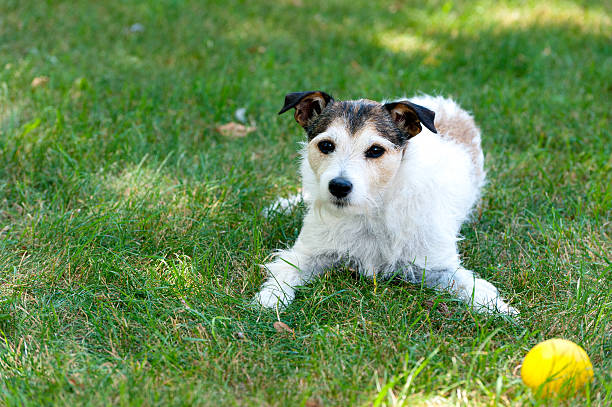



Parson Russell Terrier

Breed History:
The Parson Russell Terrier originated in England during the early 19th century and was developed by Reverend John "Jack" Russell as a specialist fox hunting terrier. Unlike the shorter-legged Jack Russell Terrier, the Parson Russell Terrier was bred with longer legs to keep pace with horses and hounds during hunts while retaining the agility to pursue foxes into their dens. Selective breeding focused on stamina, courage, intelligence, and sound working ability rather than appearance.
For generations, the breed excelled as a hardworking hunting terrier, valued for its fearless nature and exceptional endurance. Although it remains an accomplished working dog, the Parson Russell Terrier has also become a popular family companion thanks to its affectionate personality and lively temperament.
Today, the Parson Russell Terrier is admired as a loyal family companion, skilled hunting dog, and energetic sporting breed known for its intelligence, courage, and athletic ability.
If you want to learn about other Terrier breeds, check out our page "Different Terrier Dog Breeds".
| Gender | Height | Weight |
|---|---|---|
| Male | 34 to 36 cm | 7 to 8 kg |
| Female | 31 to 34 cm | 6 to 7 kg |
Size: Small
Life Expectancy: 13 to 15 years

Breed Appearance:
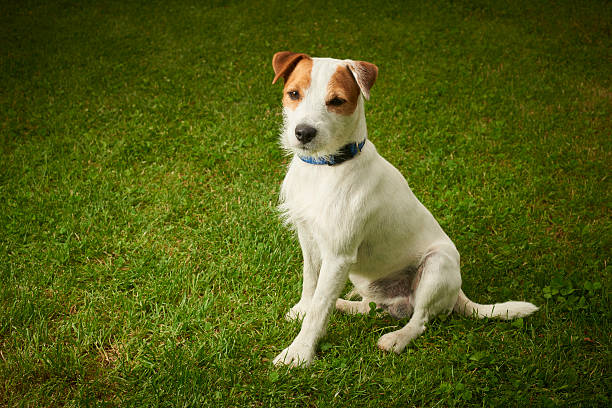
The Parson Russell Terrier is a compact, athletic, and well-balanced dog with a square, muscular build.
The breed commonly features:
- Flat, well-proportioned head
- Strong, medium-length muzzle
- Dark, almond-shaped eyes
- Small, V-shaped folded ears
- Deep, narrow chest
- Strong, muscular neck
- Well-developed limbs
- Medium-length tail carried upright when alert
The breed occurs in three coat varieties:
- Smooth
- Broken
- Rough
All coat types are weather-resistant and close-fitting.
Common coat colours include:
- White with tan markings
- White with black markings
- White with black and tan markings
White is always the predominant coat colour.
The breed's athletic build and weather-resistant coat reflect its heritage as a hardworking English hunting terrier.
Breed Type – Terrier:
The Parson Russell Terrier is an intelligent, energetic, and courageous terrier breed.
It is known for being:
- Loyal
- Intelligent
- Energetic
- Courageous
- Alert
- Playful
The breed forms strong bonds with its family and is generally affectionate with children when properly socialised. It retains strong hunting instincts and a high prey drive.
Training:
The Parson Russell Terrier is highly intelligent and eager to learn but has an independent streak.
Training should focus on:
- Early socialisation
- Positive reinforcement methods
- Basic obedience training
- Recall training
- Leash manners
- Consistent leadership
The breed excels in:
- Agility
- Flyball
- Earthdog activities
- Obedience
- Trick training
- Companion activities
Structured, reward-based training helps the breed become a confident and well-mannered companion.
Health & Care:
The Parson Russell Terrier is generally healthy but may be prone to several health concerns, including:
- Patellar luxation
- Lens luxation
- Progressive retinal atrophy
- Deafness
- Ataxia
- Legg-Calvé-Perthes disease
Routine veterinary care, responsible breeding, regular exercise, and maintaining a healthy weight help support long-term health.

Living Conditions:
The Parson Russell Terrier adapts well to a variety of living environments provided it receives plenty of exercise and close family companionship.
Ideal environments include:
- Apartments with sufficient daily exercise
- Houses with secure yards
- Urban or suburban homes
- Active families
- Experienced or committed first-time dog owners
The breed prefers living indoors with its family and is not suited to prolonged isolation.
Exercise:
The Parson Russell Terrier has very high exercise requirements.
Recommended activities include:
- Daily walks
- Running
- Hiking
- Agility
- Interactive play
- Mental enrichment activities
Regular physical activity and mental stimulation are essential to maintain the breed's physical and mental well-being.
Grooming:
Grooming requirements depend on the coat type.
- Brushing once or twice per week
- Hand stripping occasionally for rough and broken coats
- Occasional bathing
- Routine ear cleaning and nail trimming
- Regular dental care
The breed sheds lightly to moderately throughout the year.