



Best Food for Shih Tzus: Supporting Small Breed Health
India's complete nutrition guide for Shih Tzus -- covering ideal meal composition, wet food choices, home-cooked options, hydration, treats, supplements, and everything a healthy Shih Tzu needs at every life stage.
If you share your home with a Shih Tzu, you already know the contradiction at the heart of this breed: a dog that looks impossibly delicate yet carries centuries of royal palace heritage and a personality bold enough to fill a much larger animal. Shih Tzus are companion dogs in the truest sense -- bred for no purpose other than human affection, and exceptionally good at it. But that compact body, flat face, and long flowing coat come with a specific set of nutritional needs and health vulnerabilities that make getting the diet right genuinely important.
Shih Tzus are prone to skin and coat issues, dental disease, digestive sensitivity, and the weight gain that silently accelerates joint and respiratory problems in small dogs. In India's heat, their flat-faced (brachycephalic) anatomy makes them far more vulnerable to heat stress than most breeds. Every stage of a Shih Tzu's life demands thoughtful, breed-aware nutrition. This guide covers all of it. For broader context on toy dog breeds in India and their dietary needs, see our dedicated guide. Understanding dog breed categories can also help you see how Shih Tzus fit within the toy and companion group.
1. The Shih Tzu: The Lion Dog of the Imperial Court

The Shih Tzu, whose name translates from Mandarin as "Lion Dog," is one of the oldest companion breeds in the world. Originating in Tibet and refined at the Imperial Chinese court during the Ming and Qing dynasties, Shih Tzus were bred exclusively as companions for royalty -- never as working dogs, hunting dogs, or guard dogs. They were treasured lap warmers and palace companions, and that singular purpose shaped everything about them: their calm temperament, their love of human contact, their adaptability to indoor life, and their extraordinarily low exercise requirements relative to most breeds.
In India, Shih Tzus have become one of the most popular small breeds, particularly in apartments and urban homes, where their compact size, gentle temperament, and low shedding (despite their long coat) make them ideal companions. For a full breed profile covering history, temperament, training, and health, visit the Goofy Tails Shih Tzu Breed Wiki. For context on how Shih Tzus fit among the world's smallest dog breeds, see our complete guide.
| Breed Fact | Detail |
|---|---|
| Origin | Tibet, refined in Imperial China |
| Size | Toy -- 4 to 8 kg; 20 to 28 cm at shoulder |
| Coat | Long, dense, double coat -- low shedding but requires daily grooming |
| Colours | Gold, white, black, brindle, liver, blue, and combinations |
| Lifespan | 10 to 16 years -- one of the longer lifespans among toy breeds |
| Energy Level | Low to moderate -- calm indoors; short daily walks and indoor play are sufficient |
| Key Health Concerns | Brachycephalic obstructive airway syndrome (BOAS), dental overcrowding, skin fold dermatitis, eye conditions (corneal ulcers, dry eye), ear infections, hip dysplasia, hypothyroidism, and obesity |
| Temperament | Affectionate, playful, confident, adaptable, deeply people-oriented -- the original companion dog |
2. What the Perfect Shih Tzu Meal Looks Like
Feeding a Shih Tzu is not simply a matter of feeding less of whatever you would give a larger dog. Toy breeds have meaningfully different nutritional requirements -- faster metabolisms, smaller stomachs, higher calorie density needs per kilogram of body weight, and specific vulnerabilities around dental health, skin, and weight management. See our complete guide to dog nutrition for Indian pet parents for broader context.
The 5 Pillars of a Shih Tzu-Optimised Diet
| Nutrient Pillar | Why Shih Tzus Need It | What to Look For |
|---|---|---|
| Quality Protein (22 to 28%) | Shih Tzus need high-quality, digestible protein to maintain lean muscle mass under their dense coat, support skin and coat renewal, and fuel their alert, active metabolism. Low-quality protein sources cause digestive upset -- a known sensitivity in this breed. | Named whole meat first -- chicken breast, eggs. Avoid unnamed meat meals or by-products. The protein source matters as much as the percentage. |
| Skin and Coat Support Nutrients | The Shih Tzu's signature double coat is one of their most defining features -- and one of the most nutritionally demanding. Without adequate omega-3 fatty acids, zinc, and biotin, the coat becomes dull, brittle, and prone to matting. Skin fold dermatitis around the face is worsened by nutritional deficiencies. Read more about nutrition for skin and coat health. | Omega-3 fatty acids (EPA/DHA) from hemp seed, chia seeds, or coconut oil. Biotin from eggs. Zinc from whole meats. A diet rich in these supports coat lustre and reduces inflammatory skin conditions. |
| High Moisture Content | Shih Tzus are notoriously poor water drinkers, making chronic mild dehydration a genuine risk -- particularly in India's heat. Dehydration compounds kidney strain, worsens skin condition, and contributes to urinary tract issues. Adequate hydration is critical for this breed. | Wet food at 75 to 80% moisture as the primary diet. Bone broth daily. Always fresh water available. Shih Tzus eating dry kibble are almost always in a state of chronic partial dehydration. |
| Controlled Calories and Low Fat | Obesity is one of the most common and damaging health conditions in Shih Tzus. Their low exercise requirement, small stomach, and tendency to eat enthusiastically create a perfect storm for weight gain. Excess weight worsens their already compromised breathing (BOAS), accelerates joint wear, and significantly shortens their lifespan. Read about diabetes in dogs to understand the downstream risks of unchecked weight gain. | Controlled fat content (10 to 14%). High protein to fat ratio to support lean muscle without excess calories. Avoid high-fat toppers or calorie-dense treats as a daily habit. |
| Digestive-Friendly, Low-Irritant Ingredients | Shih Tzus have sensitive digestive systems. Rapidly fermenting starches, artificial preservatives, and low-grade fillers trigger loose stools, gas, and chronic gut inflammation in this breed. A clean, whole-ingredient diet dramatically reduces digestive episodes. Read about grain-free food for sensitive stomachs. | Pumpkin, sweet potato, and quinoa as carbohydrate sources. No artificial preservatives, colours, or flavour enhancers. Gluten-free formulations are particularly well-suited to Shih Tzus with recurring digestive sensitivity. |
Calorie Guide for Shih Tzus by Life Stage
| Life Stage | Weight Range | Daily Calories (Active) | Feeding Frequency |
|---|---|---|---|
| Puppy (2 to 6 months) | 1 to 3 kg | 200 to 380 kcal | 3 to 4 meals/day (small portions) |
| Puppy (6 to 12 months) | 3 to 6 kg | 350 to 500 kcal | 3 meals/day |
| Adult (1 to 9 years) | 4 to 8 kg | 350 to 550 kcal | 2 meals/day |
| Senior (9+ years) | 4 to 7 kg | 300 to 450 kcal | 2 meals/day (smaller portions, monitor weight closely) |
3. Goofy Tails Wet Meals: The Best Food for Shih Tzus

Every Goofy Tails wholesome wet meal is made with 75 to 80% natural moisture, real whole-meat protein, and no artificial preservatives or fillers. For Shih Tzus, the high-moisture, clean-ingredient format is ideal: it directly addresses their hydration deficit, delivers the omega-3s and biotin essential for their coat, and provides easily digestible protein without the starch fillers that trigger their sensitive digestive systems. Two meals stand out as particularly well-suited to Shih Tzus. For more on the difference between grain-free and gluten-free diets, and the science behind grain-free dog food, see our dedicated guides.
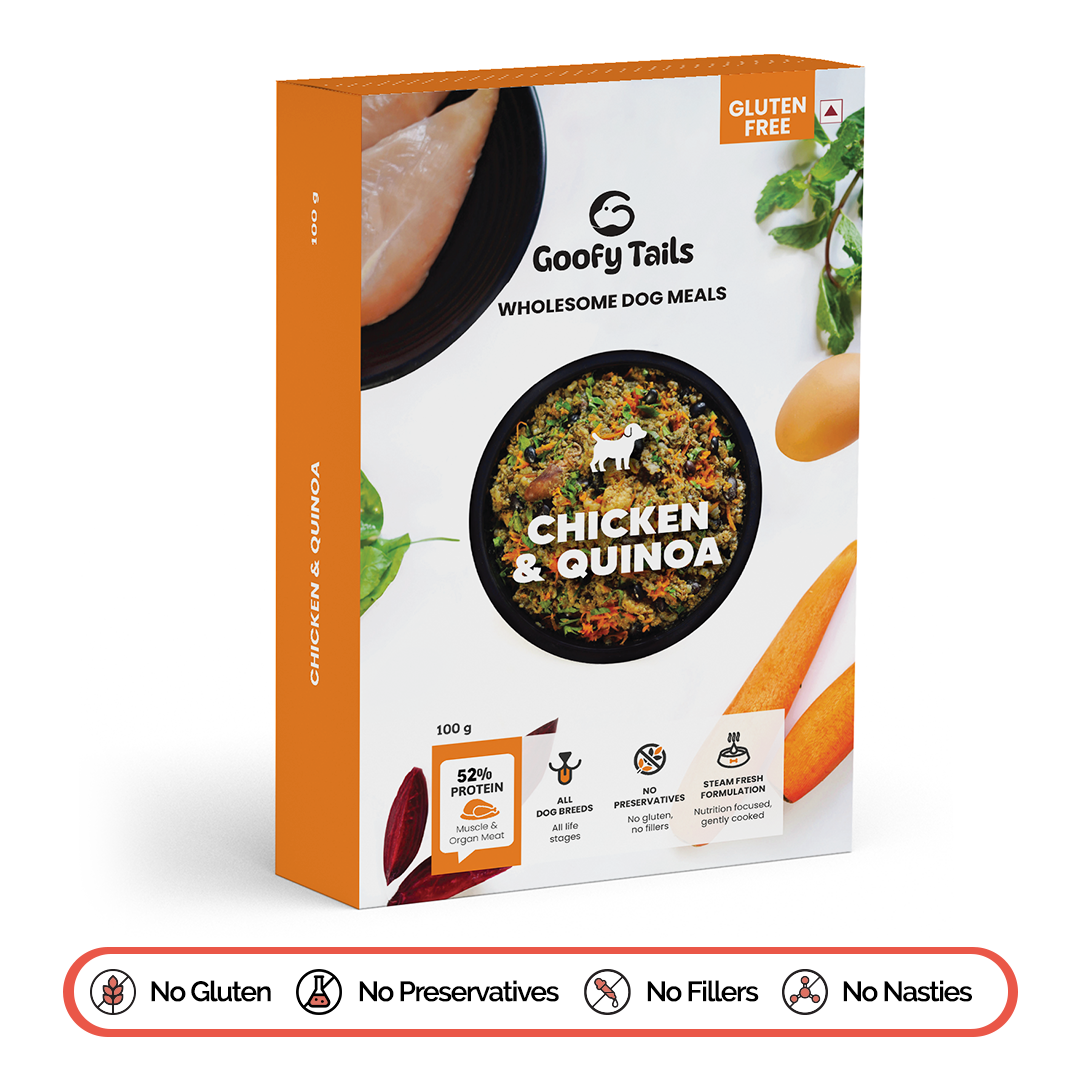
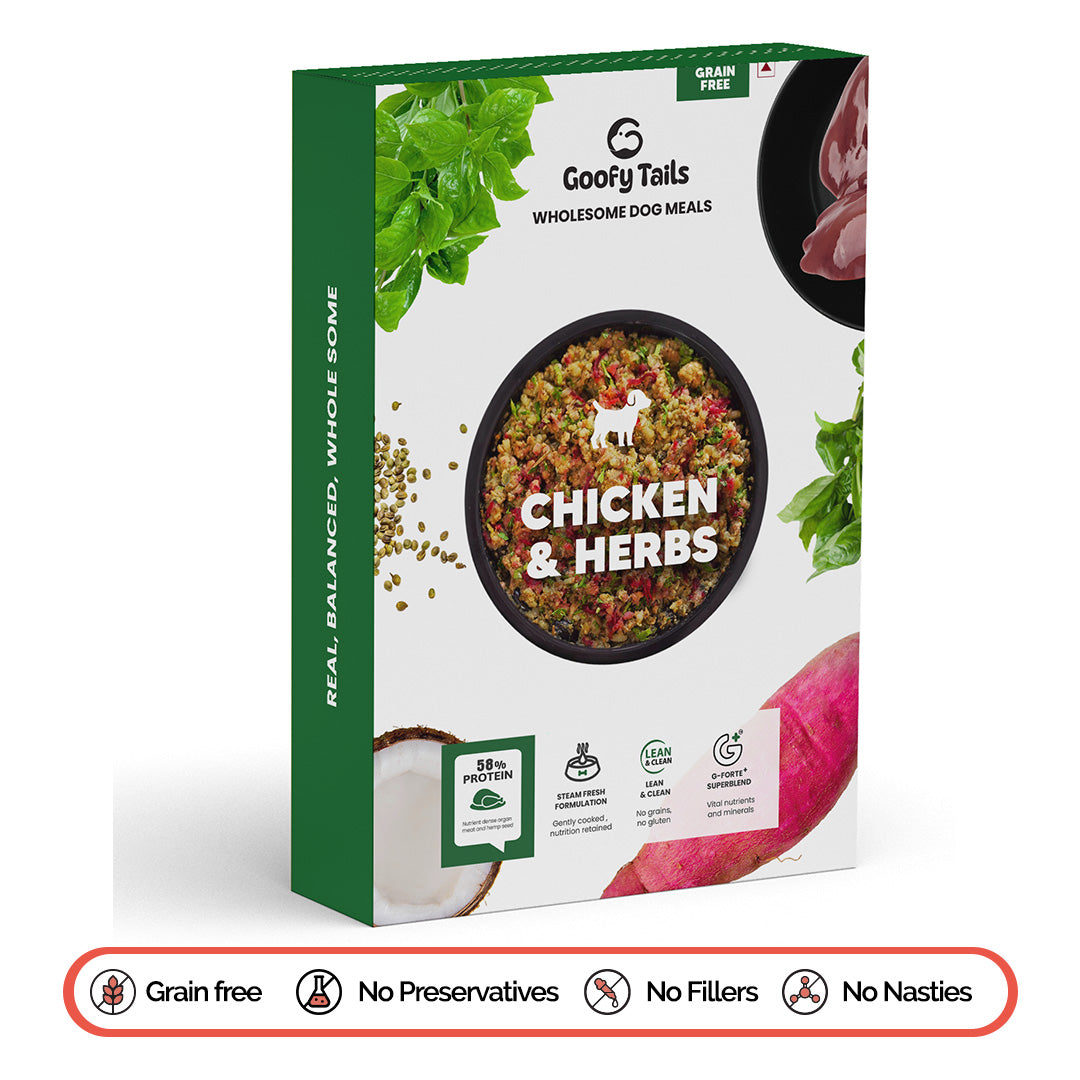
"As a Vet I recommend clean, honest and wholesome ingredients and an active lifestyle. Therefore, I trust and recommend Goofy Tails."Dr. Madhurita, President, Myvets Charitable Trust & Research Centre
4. Home-Cooked Meals for Your Shih Tzu
Home cooking for a Shih Tzu is practical and gives you full control over ingredients -- important when managing food sensitivities, coat condition, or weight. However, the small portion sizes involved make nutritional balance easy to get wrong. A 5 kg dog eating 300 to 400 kcal per day has very little room for nutritional shortcuts. See our guide to homemade grain-free dog food for a detailed framework.
A Balanced Home-Cooked Base Recipe (Per 5 kg Adult Shih Tzu)
| Ingredient | Quantity (per meal) | Purpose |
|---|---|---|
| Chicken breast (boneless, boiled) | 60 to 80 g | Lean complete protein, muscle and coat maintenance |
| Pumpkin (boiled or steamed) | 30 to 40 g | Gentle digestive fibre, gut health, beta-carotene |
| Quinoa or sweet potato (cooked) | 25 to 30 g | Complete amino acids or slow-release carbohydrate; both gluten-free and gentle on the gut |
| Carrot (raw, grated or boiled) | 15 g | Beta-carotene, crunchy natural fibre, dental-friendly |
| Whole egg (boiled) | 1 small egg | Complete protein, biotin for coat and skin health |
| Spinach or leafy greens | 10 to 15 g | Iron, folate, antioxidant vitamins |
| Hemp seed oil or coconut oil | 0.5 tsp | Omega-3 and omega-6 for skin barrier and coat shine |
| Bone broth (as a liquid base) | 50 to 80 ml | Passive hydration, collagen for joints and gut lining, palatability |
Safe Human Foods to Add as Toppers
- Watermelon (seedless) -- hydrating, low-calorie; excellent during Indian summer months
- Boiled sweet potato (small amounts) -- complex carbs, beta-carotene, gentle on the gut; keep portions small for weight management
- Plain boiled chicken liver (small amounts, max 2 to 3 times per week) -- nutrient-dense, biotin and iron-rich; supports coat health
- Cucumber slices -- high water content, very low calorie; ideal as a snack for weight-conscious Shih Tzu owners
- Banana (tiny pieces) -- potassium and natural energy; use sparingly due to sugar content
- Plain curd/yogurt (small amounts) -- natural probiotics; supports digestive regularity
5. Hydration and Bone Broth: Essential for the Shih Tzu

A 5 kg adult Shih Tzu requires approximately 300 to 400 ml of water per day, rising significantly in Indian summer heat. The challenge is that Shih Tzus are often reluctant water drinkers -- and their brachycephalic anatomy means panting (their primary cooling mechanism) loses fluid rapidly. Read the complete guide to hydration in dogs for a full breakdown. For summer-specific care of flat-faced breeds, see our guide to looking after dogs during Indian summers.
Why Bone Broth Is Particularly Valuable for Shih Tzus
Bone broth solves the Shih Tzu's hydration problem elegantly: it delivers fluid passively, even in dogs who ignore their water bowl. The natural collagen and glycine support joint tissue, gut lining integrity, and skin health -- all areas of specific vulnerability for this breed. The aroma also makes meals more appealing for picky eaters, which many Shih Tzus are. Pour 50 to 80 ml of warm bone broth over every meal.


💧 Hydration Tip: Frozen Broth Enrichment in Indian Summer
In India's peak summer months (April to June), Shih Tzus are at heightened risk from heat -- their flat faces make cooling inefficient. Dilute Goofy Tails Bone Broth 50/50 with water and freeze in small silicone moulds. Give your Shih Tzu 1 to 2 frozen broth blocks as an afternoon enrichment treat. It delivers passive hydration passively, keeps them occupied during the hottest part of the day, and provides collagen. Keep your Shih Tzu in air-conditioned or fan-cooled spaces during peak afternoon heat -- their brachycephalic anatomy gives them very little tolerance for temperatures above 30 degrees Celsius.
Shop All Bone Broths →6. The Right Treats for Shih Tzus
At 4 to 8 kg, a Shih Tzu's daily treat calorie budget is very small. The 10% rule means an adult eating 450 kcal/day has just 45 kcal available for treats -- roughly one standard commercial dog treat. Choose high-value treats that can be broken into tiny pieces for training, and that do not add unnecessary starch, sugar, or artificial flavouring. Dental health is a priority: Shih Tzus are highly prone to periodontal disease due to their small, crowded jaws, and daily dental treats make a measurable difference.


7. Supplements: Targeted Support for a Healthy Shih Tzu
Despite their small size, Shih Tzus benefit meaningfully from targeted supplementation -- particularly for skin and coat health, immune resilience, and joint support as they age. Their long coat is nutritionally demanding, their skin folds are prone to inflammation, and their moderate lifespan means the senior years arrive sooner than owners expect. See our guide to caring for dogs with mobility issues to understand how early joint support changes outcomes. Canine Vitality is the primary supplement recommendation for Shih Tzus across all life stages.

Why Canine Vitality is essential for Shih Tzus:
- Turmeric Curcumin reduces systemic and skin inflammation. Shih Tzus are prone to skin fold dermatitis and allergic skin reactions -- curcuminoids regulate the immune pathways driving chronic skin inflammation, reducing flare frequency and severity when used consistently.
- Boswellia Extract reduces swelling and immune overreaction, particularly valuable for Shih Tzus with recurring skin irritation or early joint stiffness. It works synergistically with curcumin for a broader anti-inflammatory effect.
- Ashwagandha Root Extract is a natural adaptogen that helps regulate cortisol and the stress response. Shih Tzus are sensitive, companion-oriented dogs who experience genuine stress from changes in routine, travel, loud environments, or owner absence -- and stress is a documented trigger for skin flare-ups and immune suppression in this breed.
- Collagen Peptides support skin barrier integrity from within and provide structural support for joint cartilage and connective tissue. A strong skin barrier reduces allergen penetration -- the primary mechanism behind atopic dermatitis in small breeds. Joint support becomes increasingly important from around age 6 onwards.
8. Can Shih Tzus Eat a Vegetarian Diet?
If your household is vegetarian and you prefer a plant-based option for occasional rotation, Goofy Tails offers one carefully formulated vegetarian meal. It is best used as a 1 to 2 day per week rotation alongside meat-based meals, not as the primary diet for this breed.

If used as an occasional rotation, ensure your Shih Tzu's weekly diet also includes:
- Meat-based protein on 5 to 6 days per week minimum -- Shih Tzus cannot meet their taurine, biotin, and complete amino acid requirements from plant proteins alone. Their coat quality, skin health, and muscle maintenance all depend on high-bioavailability animal protein as the dietary foundation.
- Canine Vitality daily -- provides the curcumin, collagen, and Boswellia support this breed requires regardless of meal base. Skin and immune support is non-negotiable on vegetarian meal days, when dietary omega-3 and zinc are typically lower.
- Bone broth daily -- even on vegetarian meal days, bone broth provides collagen, glycine, and passive hydration that support joint, gut, and skin health -- closing the nutritional gap from the plant-based meal meaningfully.
- Portion awareness on vegetarian days -- the lentil and paneer base in this meal is higher in fermentable carbohydrate than the meat-based meals. Monitor for loose stools or increased gas, and reduce serving size if needed for digestively sensitive individuals.
9. Frequently Asked Questions
Q: What is the best food for a Shih Tzu in India?
The best food for a Shih Tzu in India is a high-moisture, high-protein, whole-ingredient wet food with no artificial preservatives. Goofy Tails Chicken & Quinoa and Chicken & Herbs are the top choices: both deliver the protein, omega-3 fatty acids, and digestive-friendly ingredients that Shih Tzus need, in a high-moisture format that addresses the breed's chronic tendency toward dehydration. Wet food is strongly preferred over dry kibble for Shih Tzus -- kibble's 6 to 10% moisture content contributes to kidney strain, poor coat condition, and urinary issues over time in this breed.
Q: How much should I feed my adult Shih Tzu?
A typical adult Shih Tzu (4 to 8 kg) requires approximately 350 to 550 kcal per day depending on age, activity level, and whether they are spayed or neutered. For Goofy Tails wet food at roughly 150 to 180 kcal per 200g pack, most adult Shih Tzus will need 2 to 3 packs per day split across two meals. Always adjust based on monthly body condition assessment: you should be able to feel the ribs easily with light pressure, but they should not be prominently visible. Never free-feed a Shih Tzu -- measured portions at consistent mealtimes are essential for weight management in this breed.
Q: Why does my Shih Tzu have skin problems, and can diet help?
Skin problems are one of the most common health issues in Shih Tzus, and diet is directly relevant to managing them. The breed is prone to skin fold dermatitis (around the facial folds), atopic dermatitis triggered by environmental or food allergens, and nutritional coat conditions from omega-3 deficiency. A diet rich in omega-3 fatty acids (from hemp seed or chia) strengthens the skin barrier from within, while Canine Vitality's turmeric curcumin and Boswellia regulate the inflammatory pathways that drive chronic skin reactions. Identifying and eliminating dietary triggers is equally important -- see our guide to food items for dogs with allergic reactions.
Q: Is grain-free or gluten-free food better for Shih Tzus?
Both can benefit Shih Tzus, and they are not the same thing. Gluten-free food removes wheat, barley, and rye proteins -- the most common digestive and skin irritants in small breeds -- while still including grains like rice or quinoa. Grain-free food removes all grains, typically using vegetables like pumpkin and sweet potato as carbohydrate sources. For most Shih Tzus with digestive sensitivity or recurring skin issues, either format is an improvement over standard grain-inclusive food. Goofy Tails Chicken & Quinoa is gluten-free; Chicken & Herbs is fully grain-free -- both are appropriate choices depending on your Shih Tzu's individual tolerance. Read the full comparison of grain-free vs gluten-free diets.
Q: How do I feed a Shih Tzu puppy correctly?
Shih Tzu puppies have high caloric needs relative to their size but very small stomachs -- the solution is frequent small meals (3 to 4 per day) rather than larger less frequent ones. Feed for steady, healthy growth rather than maximum growth: Shih Tzus are slow-maturing toy breeds and their growth phase extends to around 10 to 12 months. Avoid supplementing with extra calcium during puppyhood, as excess calcium disrupts the phosphorus-calcium balance in growing dogs. Introduce new foods gradually and monitor for digestive sensitivity, which is common in young Shih Tzus. High-moisture wet food from the start establishes good hydration habits that benefit the dog throughout its life.
Q: Do Shih Tzus need supplements?
Yes -- and the most important is Canine Vitality, which supports the three areas of greatest vulnerability for this breed: skin and coat health (via curcumin, Boswellia, and collagen), immune resilience, and stress adaptation (via ashwagandha). Start Canine Vitality from puppyhood for ongoing skin and immune support. From around age 7, add Canine Mobility+ for joint support with glucosamine, chondroitin, and collagen. Both are available exclusively on goofytails.com and are served as a liquid topper over any meal.
Q: How do I manage a Shih Tzu's diet during the Indian summer?
Indian summers are genuinely dangerous for Shih Tzus. Their flat faces make panting far less effective as a cooling mechanism, and their small bodies heat up rapidly. During April to June, caloric intake may drop slightly as activity decreases, but fluid intake must increase significantly. Prioritise wet food and bone broth at every meal to ensure passive hydration. Freeze bone broth into small moulds for cooling afternoon enrichment. Walk only in the very early morning and after sunset. Keep indoor spaces air-conditioned or well-fanned. Recognise early heat stress signs: excessive panting, drooling, lethargy, pale gums. See our dedicated guide on caring for dogs during Indian summers.
Q: What are the best treats for training a Shih Tzu?
Shih Tzus are intelligent and generally food-motivated, though their small calorie budget means treat portions need to be tiny. Goofy Tails Freeze Dried Chicken Liver Cubes are the ideal training treat -- intensely palatable, only 2g fat per serving, grain-free, and easy to crumble into very small pieces appropriate for a toy breed. Active Dental Sticks (Seaweed) serve as the daily after-meal treat that simultaneously provides essential dental care. Avoid commercial biscuit treats, which are high in starch and calories and contribute to both digestive upset and weight gain in Shih Tzus.
Q: How do I care for a senior Shih Tzu's diet?
Shih Tzus are considered senior from around age 9 to 10, though nutritional adjustments are worth starting from age 7 to 8. Senior dietary management for Shih Tzus includes: maintaining protein intake to prevent muscle wasting (do not reduce protein without specific veterinary guidance); increasing meal frequency to 2 to 3 smaller meals to ease digestive load; ramping up joint supplementation with Canine Mobility+ in addition to Canine Vitality; ensuring bone broth daily for collagen, glycine, and passive hydration; and monitoring body weight monthly to catch gradual gain before it becomes a breathing or mobility problem. Read the complete guide to caring for your ageing dog.
Q: Where can I buy Goofy Tails products for my Shih Tzu?
Goofy Tails wet food meals are available for quick delivery across India on Blinkit (same-day in select cities), Swiggy Instamart, Zepto, BigBasket, Amazon India, and Supertails. For the complete Shih Tzu care range -- Canine Vitality, Canine Mobility+, Chicken Bone Broth, Lamb Bone Broth, Active Dental Sticks, and Freeze Dried Chicken Liver Cubes -- visit goofytails.com directly.
10. The Toy Breed Family: Meet the Shih Tzu's Companions
The Shih Tzu shares its place in the toy and companion breed group with some of the most characterful small dogs in the world. All breed profiles are available on the Goofy Tails Dog Breed Wiki → For a broader guide, see our guide to toy dog breeds in India.


Conclusion: Feed Your Shih Tzu Like the Imperial Companion They Are

The Shih Tzu is one of the most rewarding dogs you can share your life with -- affectionate, adaptable, genuinely joyful, and deeply bonded to their family. Their long lifespan means the diet decisions you make today play out over 12 to 16 years. Get it right, and you give your Shih Tzu a coat that gleams, skin that stays calm and healthy, a body that stays trim enough to breathe comfortably, and joints that carry them happily into old age.
- Feed high-moisture, clean-ingredient wet food as the daily foundation -- Chicken & Quinoa and Chicken & Herbs are the primary meals
- Split daily intake across 2 measured meals -- never free-feed a Shih Tzu
- Add Chicken or Lamb Bone Broth daily for passive hydration, collagen, and palatability
- Start Canine Vitality from puppyhood for ongoing skin, coat, and immune support
- Add Canine Mobility+ from age 7 to 8 for proactive joint protection
- Use Freeze Dried Chicken Liver as the training treat -- high value, low fat, tiny portions
- Use Active Dental Sticks daily after the evening meal -- dental disease is a major Shih Tzu health risk
- Monitor body weight monthly -- even 500g over ideal weight matters for a brachycephalic dog
- If cooking at home, always supplement to close calcium, zinc, and micronutrient gaps
- Keep your Shih Tzu in cool, well-ventilated spaces during Indian summer afternoons
- Never free-feed or estimate portions -- weight gain is silent and dangerous in this breed
- Never feed onion, garlic, grapes, chocolate, xylitol, or any salted or spiced human food
- Never ignore skin fold areas -- check and clean facial folds daily to prevent dermatitis
- Never skip dental care -- overcrowded teeth and periodontal disease shorten Shih Tzu lives
🐾 Start Your Shih Tzu's Nutrition Journey with Goofy Tails
Human-grade, preservative-free, FSSAI-compliant, and vet-formulated. Wet meals, grain-free and gluten-free options, bone broth, vitality and joint supplements, dental treats, and freeze-dried training rewards -- everything your Shih Tzu needs to thrive at every life stage.
Shop Shih Tzu Essentials →
Leave a comment