



How to Look After Dogs During the Summers
India's definitive guide to keeping your dog safe, cool, and healthy during the scorching summer months — covering hydration, diet, heatstroke prevention, paw care, grooming, and the products that make every hot day easier on your pet.
Indian summers are brutal. Temperatures across the country routinely cross 40°C from April through June, and for your dog, who cannot sweat, cannot complain, and cannot pour themselves a glass of water, the heat is not just uncomfortable. It can be genuinely dangerous.
Most pet parents know to refill the water bowl. But truly protecting your dog in summer goes much further: it means rethinking their diet, hydration strategy, walking schedule, coat care, paw protection, and supplementation, and knowing the early signs of heatstroke before they become an emergency.
This guide covers everything. And as featured experts in News18 India's coverage on pet hydration and summer care, we've incorporated the same expert advice our co-founder shared with millions of Indian readers, right here, in full detail.

1. Why Indian Summers Hit Dogs So Hard
Dogs regulate body temperature almost entirely through panting, a far less efficient cooling mechanism than sweating. When the ambient air temperature rises above body temperature (38–39°C for most dogs), panting loses its effectiveness rapidly. The result: core body temperature rises, organs begin to strain, and heatstroke can develop within minutes of exposure.
India compounds this in three ways that most Western pet advice doesn't account for:
- Humidity — high humidity in coastal cities like Mumbai, Chennai, and Kolkata makes panting even less effective, since moist air carries less cooling capacity.
- Hot surfaces — asphalt and concrete in Indian cities can exceed 65°C on a summer afternoon, burning paw pads in seconds.
- Dry kibble diets — the majority of Indian pet parents feed dry kibble, which contains only 6–10% moisture. In peak summer, this creates a state of chronic mild dehydration in dogs that is silent, cumulative, and damaging to the kidneys.
2. The Expert View: News18 India Feature on Summer Pet Hydration
This summer, News18 India reached out to leading Indian pet nutrition and behaviour experts for their top tips on preventing dehydration and keeping pets safe in the heat. Karan Gupta, co-founder of Goofy Tails, a pet behaviorist, counsellor, and 14-year veteran of the Indian pet industry, was among the experts featured in their piece: "How To Keep Your Pets Hydrated In Summer: Expert Tips To Prevent Dehydration In Dogs And Cats."
"Most pet parents think hydration is just about keeping the water bowl full. But in India's heat, that's not enough. Dogs on dry food are already operating at a hydration deficit. The single most impactful change you can make is shifting to a moisture-rich meal, wet food with 70–80% water content, so your dog is hydrating passively with every bite, not just when they choose to drink."Karan Gupta, Co-Founder, Goofy Tails | Pet Parent, Counsellor & Behaviorist, 14+ years in the Pet Industry
This insight sits at the core of everything Goofy Tails has built: not just great-tasting food, but meals engineered for Indian dogs, Indian climates, and the real nutritional gaps most pets face every day. Below, we expand on every point Karan and other experts made, with the full science, practical tips, and specific product recommendations.
3. Hydration: The Summer Priority Your Dog Needs You to Get Right
A dog's body is approximately 70% water. Every physiological process, digestion, circulation, temperature regulation, kidney filtration, joint lubrication, depends on adequate hydration. In summer, water losses through panting, urination, and evaporation increase dramatically. A dog that isn't replacing this loss fast enough begins to suffer consequences that compound over days and weeks.
How Much Water Does Your Dog Need in Summer?
| Dog Weight | Minimum Daily Water (Normal) | Summer Requirement (India) |
|---|---|---|
| 5 kg (small breed) | 250–300 ml | 350–450 ml |
| 10 kg (medium small) | 500–600 ml | 700–900 ml |
| 20 kg (medium) | 1–1.2 litres | 1.4–1.8 litres |
| 30 kg (large) | 1.5–1.8 litres | 2–2.5 litres |
| 40 kg+ (large breed) | 2–2.4 litres | 2.8–3.5 litres |
5 Smart Hydration Strategies for Indian Dogs in Summer
- Switch to or add wet food — the most effective single change you can make. 75–80% moisture content versus kibble's 6–10% is not a minor difference, it is transformative for kidney health, digestion, and urinary tract function.
- Add bone broth to the bowl — pour warm bone broth over any meal as a topper. Dogs who resist plain water will almost always lap up broth enthusiastically. It adds collagen, minerals, and significant fluid simultaneously.
- Multiple water stations — place fresh water bowls in every room your dog frequents, not just one central location. Dogs drink more when water is immediately accessible.
- Ice cubes and frozen treats — freeze diluted bone broth in ice cube trays. Safe, hydrating, and dogs love them. Excellent enrichment during the hottest afternoon hours.
- Water after every walk — even a short walk in Indian summer heat is physically taxing. Offer water immediately upon return, before your dog settles down.
💧 Goofy Tails Bone Broth — The Hydration + Nutrition Topper
Pour over any meal to instantly boost hydration, palatability, and collagen intake. Available in Chicken and Lamb variants. Rich in glycine, gelatin, and natural minerals. Especially valuable in summer for picky drinkers and senior dogs. Available exclusively on goofytails.com.
Shop Bone Broth →

4. Recognising Dehydration and Heatstroke — Before It Becomes an Emergency
The difference between a dog that is warm and a dog that is in danger can develop in under 30 minutes in Indian summer conditions. Every pet parent needs to know the warning signs, and the progression from heat stress to full heatstroke.
Dehydration Warning Signs
- Skin turgor test: Gently pinch the skin at the back of the neck and release. In a well-hydrated dog it snaps back instantly. Slow return (1–2 seconds) indicates mild dehydration; a prolonged tent indicates severe dehydration requiring immediate vet attention.
- Dry or sticky gums — healthy gums are moist and slick. Tacky or dry gums indicate dehydration.
- Sunken eyes — a subtle but reliable sign of significant fluid loss.
- Reduced urination or very dark yellow urine — the kidneys are conserving water; a sign the dog is not drinking enough.
- Lethargy and reluctance to move — heat-related fatigue sets in well before heatstroke.
Heatstroke Warning Signs (Emergency — Act Immediately)
| Sign | What It Means | Action Required |
|---|---|---|
| Excessive rapid panting | Struggling to cool down; early heatstroke | Move indoors immediately, cool water on paws and groin |
| Bright red or pale gums | Circulation compromise; moderate-severe heatstroke | Vet immediately; apply cool (not ice cold) wet towels |
| Drooling excessively | Thermoregulation overload | Move to cool area, offer water in small amounts |
| Vomiting or diarrhoea | GI distress from heat; organ stress beginning | Vet consultation same day |
| Confusion, stumbling, collapsing | Neurological compromise; severe heatstroke | Emergency vet. Do not delay. |
| Loss of consciousness or seizure | Critical. Multi-organ failure risk. | Emergency vet immediately. |

5. Summer Diet: What to Feed (and What to Stop)
The single biggest dietary upgrade you can give your dog in summer is increasing the moisture content of their meals. But beyond hydration, Indian summer heat creates specific nutritional demands, and a few surprising traps that even well-intentioned pet parents fall into.
Summer Dietary Priorities
- High-moisture food first — wet food, bone broth toppers, and water-rich whole foods like pumpkin, cucumber, and watermelon (seedless) all count toward total daily fluid intake.
- Lighter, more digestible meals — in extreme heat, dogs' digestive systems operate under higher stress. Lean proteins (chicken breast, eggs) are easier to digest than fatty meats in peak summer.
- Omega-3 supplementation — summer heat and UV exposure increase oxidative stress and skin inflammation. Hemp seed oil or fish oil daily helps protect the skin barrier and reduce itching driven by heat and humidity.
- Smaller, more frequent meals — consider splitting the daily portion into 3 smaller meals rather than 2 larger ones during peak summer months. Large meals generate more metabolic heat during digestion.
- Probiotics and gut support — heat stress disrupts gut flora. Adding a probiotic-rich supplement like Canine Revive during summer helps maintain digestive resilience.
What NOT to Feed Your Dog in Summer
- Salty human snacks — chips, namkeen, papad, increase thirst and sodium load, worsening dehydration.
- Heavy fatty meals — lamb biryani, mutton curry scraps, fatty bones, harder to digest in heat and can trigger pancreatitis.
- Dry kibble as the sole diet — in summer especially, this creates chronic dehydration. At minimum, add water or broth to every kibble meal.
- Grapes, raisins, onion, garlic, chocolate — toxic year-round, but particularly dangerous in summer when dogs are already under physiological stress.
6. Goofy Tails Wet Meals: Built for Indian Dogs in Every Season
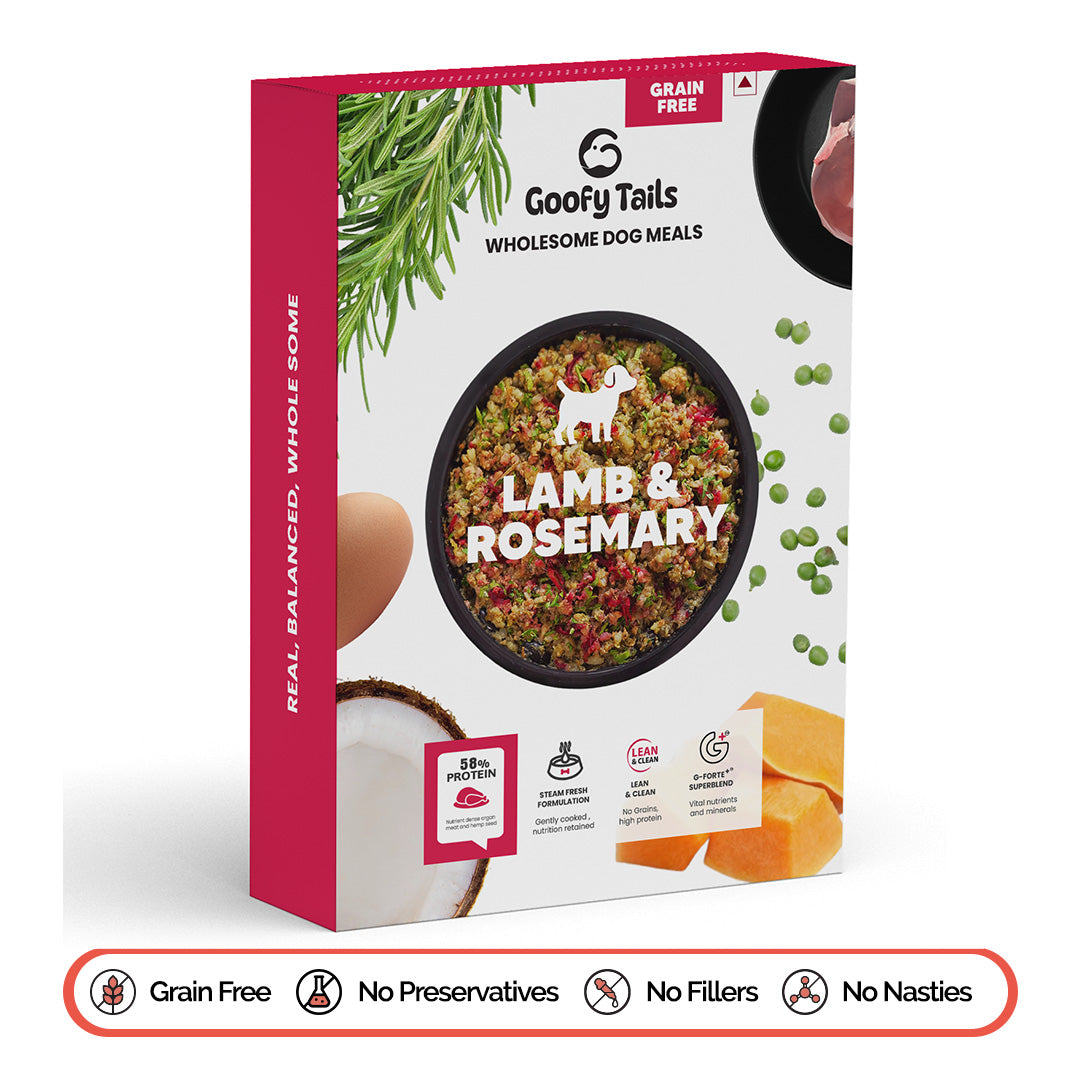
Every Goofy Tails wholesome wet meal is formulated with 75–80% natural moisture, real named whole-meat protein, digestible carbohydrates, and a complete micronutrient profile. No artificial preservatives, no unnamed by-products, no fillers. In summer, these meals are not just nutritious, they are a hydration delivery system in every 200g pack.
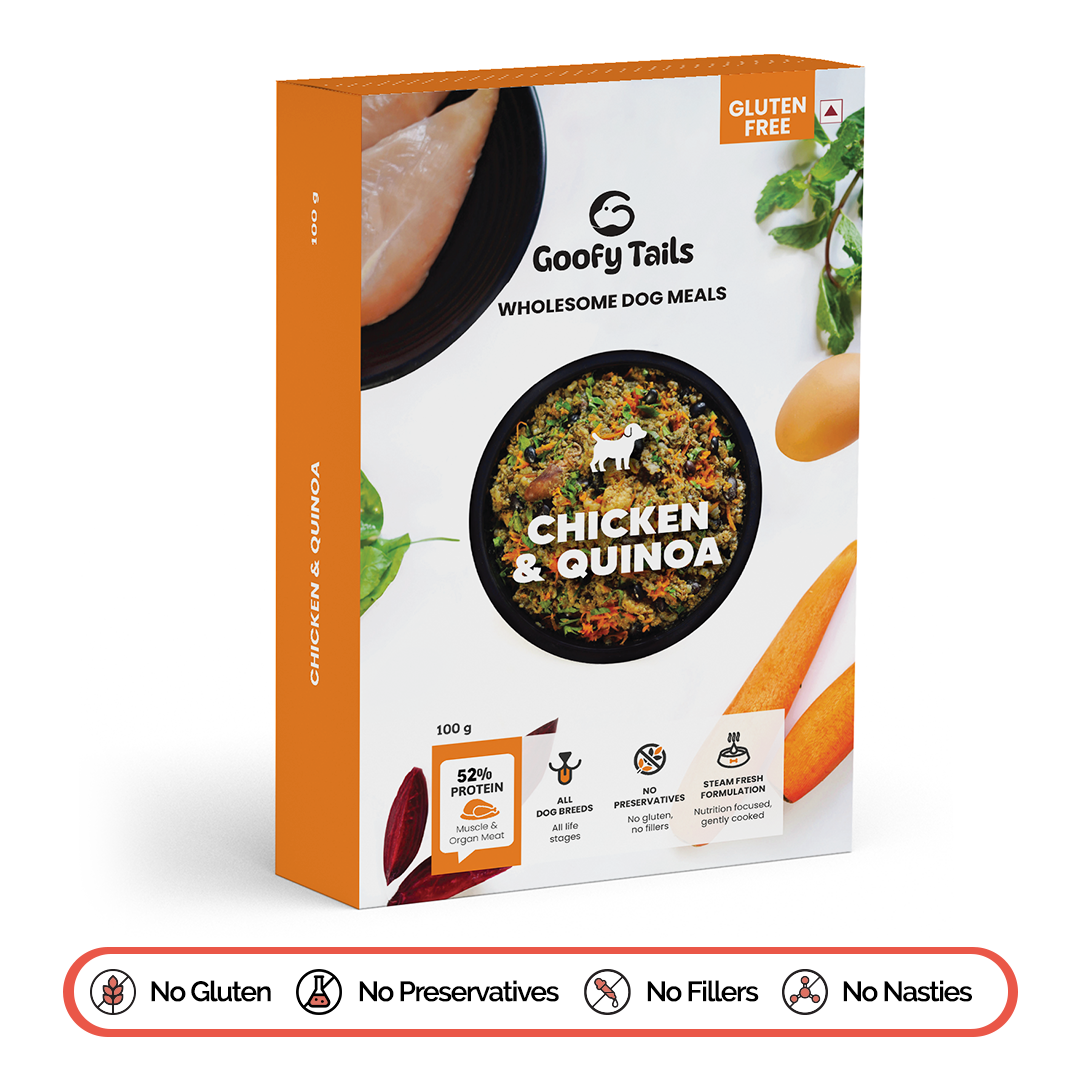
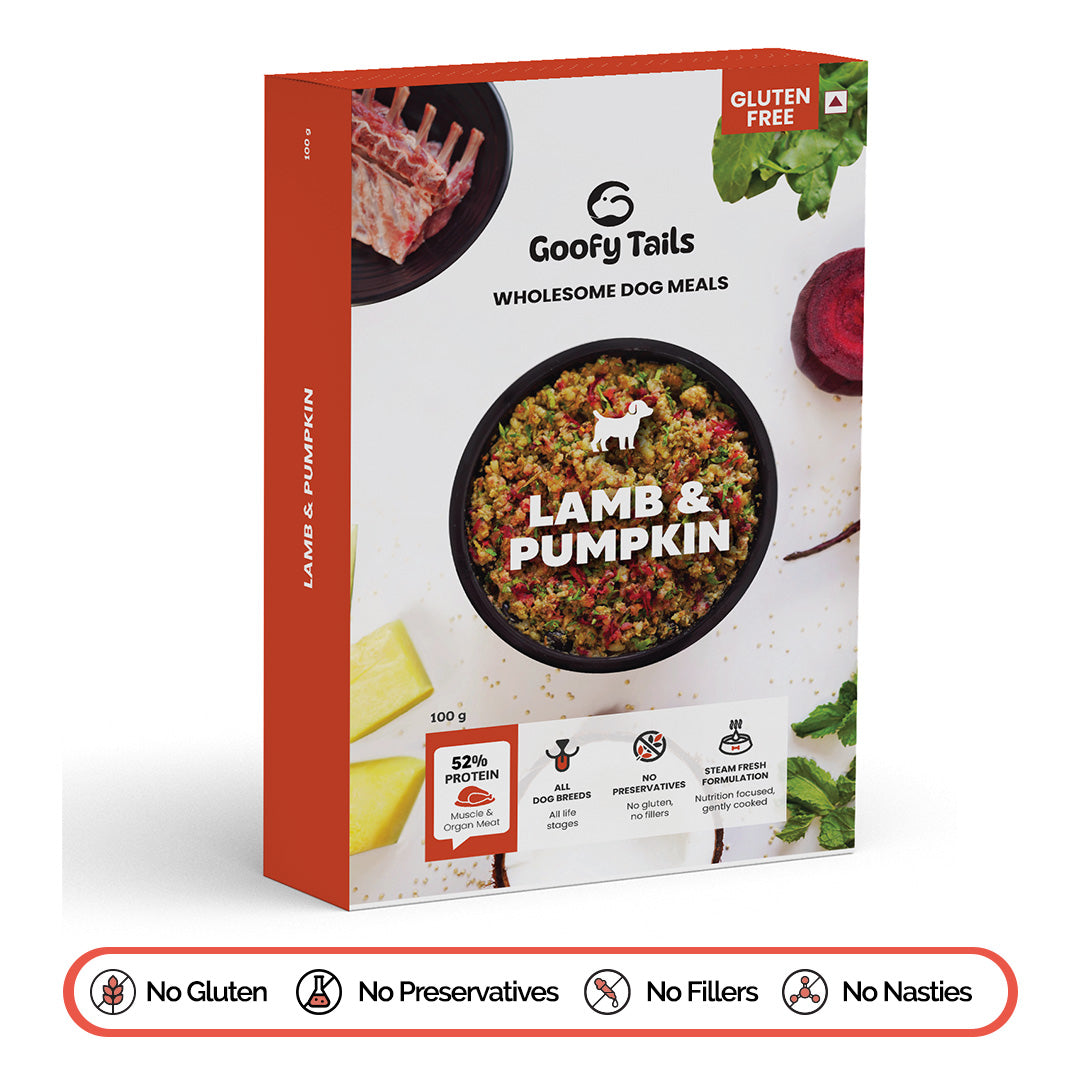
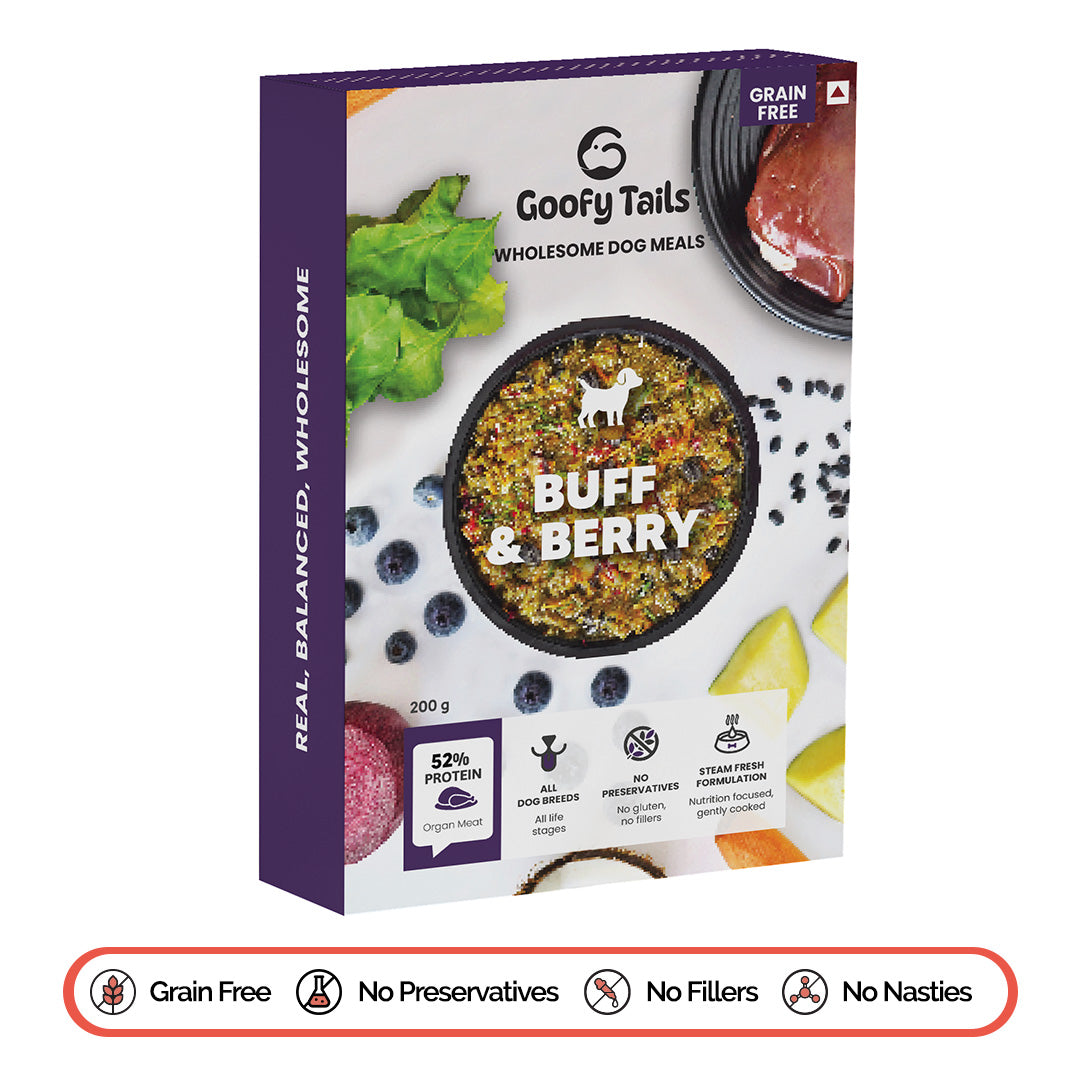
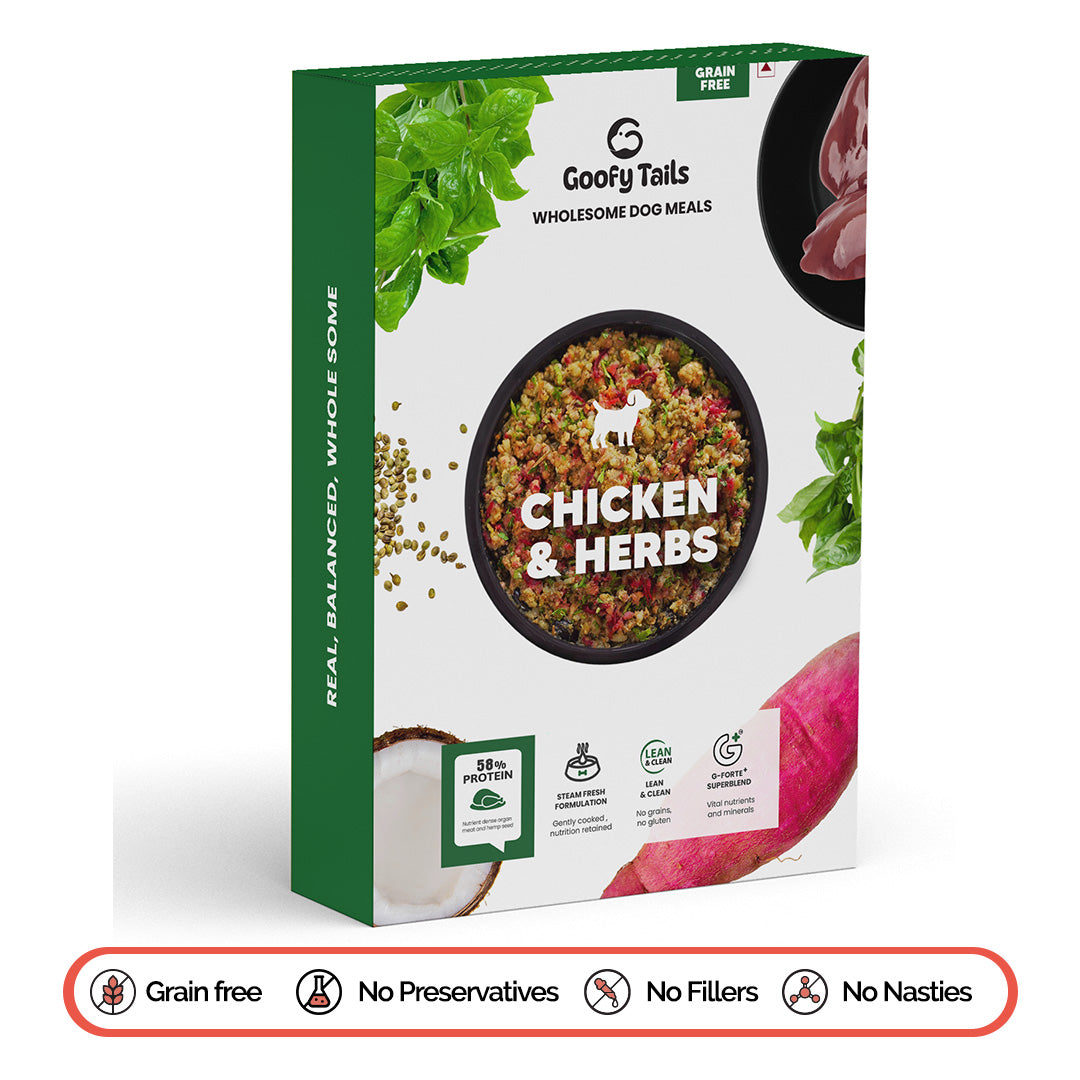

"As a Vet I recommend clean, honest and wholesome ingredients and an active lifestyle. Therefore, I trust and recommend Goofy Tails."Dr. Madhurita, President, Myvets Charitable Trust & Research Centre

7. Walking Your Dog in Indian Summer: The Schedule That Keeps Them Safe
One of the most common mistakes Indian pet parents make in summer is maintaining the same walking schedule they use in winter. The midday and early-afternoon heat, typically 11am to 5pm across most of India, is genuinely dangerous for dogs on outdoor surfaces.
The Summer Walk Rule: The 5-Second Paw Test
Before every walk, press the back of your hand firmly against the pavement or road surface for 5 seconds. If it is too hot to hold comfortably, it is too hot for your dog's bare paw pads. On a 40°C day, Indian asphalt can exceed 65°C, enough to cause second-degree burns in under 60 seconds of contact.
Safe Walking Windows in Indian Summer
| Time Window | Surface Temperature | Safety Rating |
|---|---|---|
| Before 7:00 AM | Comfortable to cool | ✅ Best window |
| 7:00 AM – 9:00 AM | Warming but manageable | ✅ Safe with water carried |
| 9:00 AM – 11:00 AM | Hot in peak summer | ⚠️ Keep walks short and shaded |
| 11:00 AM – 5:00 PM | Dangerously hot | 🚫 Avoid entirely |
| 5:00 PM – 7:00 PM | Cooling but surfaces still warm | ⚠️ 5-second test first; keep short |
| After 7:00 PM | Cooled significantly | ✅ Safe; good exercise window |
8. Coat Care and Grooming: What Actually Helps in Summer
A common myth in India is that shaving a dog's coat keeps them cool in summer. For single-coated breeds, a trim can help. But for double-coated breeds, Huskies, German Shepherds, Golden Retrievers, Labradors, the double coat acts as natural insulation against both heat and cold. Shaving these breeds removes their thermoregulatory system and leaves the skin exposed to UV radiation.
Grooming Dos and Don'ts in Summer
- Do brush regularly — removes dead undercoat that traps heat; improves air circulation through the coat. Daily brushing in summer is ideal for heavy shedders.
- Do trim (not shave) long-haired single-coated breeds — reducing coat length by 30–40% on breeds like Cocker Spaniels, Shih Tzus, and Maltese improves ventilation without exposing bare skin.
- Do not shave double-coated breeds — this is one of the most damaging things you can do to a Husky or German Shepherd in summer.
- Do bathe regularly but not excessively — once every 10–14 days in summer using a gentle, moisturising shampoo. Overbathing strips natural oils and damages the skin barrier, worsening summer skin issues.
- Do support skin from inside — hemp seed oil and Omega-3 supplementation reduces summer-related skin dryness, itching, and coat dullness more effectively than any topical product alone.
9. Paw Care in Summer
Indian summers are particularly hard on paw pads. The combination of hot asphalt, rough surfaces, and dry air causes paw pads to crack, blister, and become painful, leading to limping, licking, and secondary infections. Regular paw care in summer is not cosmetic; it is medical.
- Rinse paws with cool water after every walk — removes heat from the pads and clears dust, allergens, and irritants accumulated on city streets.
- Inspect paws weekly — look for cracks, redness, swelling, or blistering. Early intervention prevents infection.
- Avoid chemical-treated surfaces — park paths treated with pesticides or garden chemicals are particularly irritating to paw pads in summer when vasodilation increases skin absorption.
- Consider dog boots for extended midday exposure — for dogs that must be walked in heat (service dogs, working dogs), breathable mesh boots protect the pads from hot surfaces.
🐾 Goofy Tails Hemp Paw Cream and Hemp Seed Oil Combo
Protect and restore cracked paw pads with our hemp-infused paw cream while supporting skin and coat from the inside with cold-pressed hemp seed oil. The summer combo your dog's paws — and coat — actually need. Available exclusively on goofytails.com.
Shop the Paw + Hemp Combo →10. Summer Supplements: Targeted Support for Hot-Weather Health
Beyond diet, Indian summers place specific physiological demands on dogs that targeted supplementation can address. When it comes to summer immunity, energy, and whole-body resilience, Canine Vitality is the most impactful single addition you can make to your dog's summer routine.

Why Canine Vitality is the summer supplement of choice:
- Immunity under heat stress — high temperatures suppress immune function. The adaptogen and antioxidant blend maintains immune resilience through peak summer months.
- Counters oxidative damage — UV exposure and heat generate free radicals that accelerate cellular ageing. The antioxidant complex neutralises this oxidative load directly.
- Supports energy and organ health — dogs lethargic in summer are often micronutrient-depleted, not just tired. Canine Vitality replenishes bioavailable micronutrients that heat-stressed digestion struggles to absorb from food alone.
- Fills dietary gaps — even a perfect diet leaves micronutrient gaps in summer when digestive efficiency drops. Formulated to complement any feeding approach.
- Reduces summer shedding and skin stress — biotin, zinc, and antioxidants support skin barrier integrity and reduce excessive shedding triggered by seasonal heat stress.
11. Summer Care by Breed Type: Tailored Advice for Indian Dogs
| Breed Type | Summer Risk Level | Key Priorities |
|---|---|---|
| Brachycephalic (Pug, Frenchie, Bulldog, Shih Tzu) | 🔴 Extreme | AC indoors, no midday walks, maximum moisture diet, monitor breathing constantly |
| Double-coated (Husky, GSD, Malamute) | 🔴 Very High | Do not shave coat; daily brushing; early morning walks only; bone broth daily |
| Large breeds (Lab, Golden, Rottweiler) | 🟠 High | Joint support in heat; high moisture diet; restrict vigorous exercise in peak hours |
| Medium breeds (Beagle, Cocker, Indie) | 🟡 Moderate | Walk timing, hydration monitoring; bone broth topper recommended |
| Small breeds (Chihuahua, Pomeranian, Toy breeds) | 🟠 High | Overheat quickly; limited heat tolerance; wet food essential; frequent small water access |
| Indian Pariah / INDog | 🟢 Low-Moderate | Evolved for Indian climate; still require hydration and walk timing adjustments in peak summer |
12. Frequently Asked Questions
Q: How do I keep my dog hydrated in Indian summer?
The most effective strategy is a three-part approach: switch to or add high-moisture wet food (75–80% moisture versus kibble's 6–10%), add bone broth as a daily meal topper to encourage fluid intake passively, and maintain multiple fresh water stations throughout the home. During summer, a dog's water requirement increases by 30–50% above baseline. Wet food and bone broth together can deliver up to 40% of a dog's total daily fluid needs through the meal itself, making it far more reliable than hoping they drink enough from the bowl alone. Goofy Tails wet meals and bone broths are specifically designed to support this approach.
Q: What are the early signs of heatstroke in dogs?
Early signs include excessive and rapid panting, lethargy, reluctance to move, dry or sticky gums, and excessive drooling. If you notice these signs, move your dog immediately to a cool environment, apply room-temperature (not ice-cold) water to the paws, groin, and neck, and offer small sips of water. If the dog shows confusion, vomiting, bright red gums, or any sign of collapse, this is an emergency requiring immediate veterinary care. Never delay, heatstroke can cause irreversible organ damage within 30–60 minutes of onset.
Q: Is wet dog food better than dry kibble in summer?
For Indian dogs in summer, wet food is a significant upgrade over dry kibble for three reasons. First, moisture: wet food delivers 70–80% water content versus kibble's 6–10%, dramatically reducing the risk of chronic dehydration and kidney stress. Second, digestibility: wet food is easier to process in heat-stressed digestive systems, with higher bioavailable protein and no requirement for additional water absorption during digestion. Third, palatability: dogs often reduce their voluntary water intake in extreme heat, but rarely refuse a moisture-rich meal. Goofy Tails wet meals provide all these benefits while delivering complete, preservative-free nutrition in every 200g pack.
Q: When should I walk my dog in Indian summer?
The safest walking windows in Indian summer are before 7am and after 7pm, when surface temperatures have cooled to safe levels. Always perform the 5-second pavement test before every walk: press the back of your hand to the road surface for 5 seconds, if you cannot hold it there comfortably, it is too hot for your dog's paws. Avoid all outdoor walks between 11am and 5pm during peak summer months. Replace midday physical exercise with indoor enrichment activities, training sessions, and sniff games to keep your dog mentally stimulated without heat exposure.
Q: Should I shave my dog's coat in summer?
This depends entirely on the breed. For single-coated breeds (Poodle, Maltese, Shih Tzu, Cocker Spaniel), a summer trim can improve ventilation and comfort. However, for double-coated breeds (Siberian Husky, German Shepherd, Golden Retriever, Labrador), shaving is actively harmful, the double coat provides insulation against heat as well as cold, and removing it eliminates the dog's natural thermoregulation system while exposing sensitive skin to UV radiation. For double-coated breeds, regular brushing to remove dead undercoat is far more beneficial than shaving. Supporting skin health from the inside with Omega-3 supplementation (Goofy Tails Hemp Seed Oil) also significantly improves coat condition and thermal comfort.
Q: What human foods can I give my dog to help with summer heat?
Several safe, hydrating whole foods can supplement your dog's diet in summer: seedless watermelon (excellent natural hydration, rich in lycopene), cucumber slices (high water content, low calorie), plain cooked pumpkin (supports digestion and hydration), plain yogurt in small amounts (probiotics and cooling), and frozen banana pieces (potassium and natural sugar for energy). Always introduce new foods gradually and in small amounts. Avoid grapes, raisins, onion, garlic, and anything salted or spiced. For comprehensive, veterinary-formulated hydration and nutrition, Goofy Tails wet food and bone broth remain the gold standard for Indian dogs in summer.
Q: Does bone broth actually help dogs in summer?
Yes, bone broth is one of the most practical and nutritionally dense summer additions you can make to any dog's diet. As a warm liquid (or cooled for summer), it delivers significant fluid intake even from dogs who resist plain water, the aroma and flavour make it almost universally appealing. Nutritionally, it provides collagen, glycine, proline, and gelatin that support joint lining, gut integrity, and coat health. In summer specifically, it also replaces electrolytes lost through panting. Goofy Tails Chicken Bone Broth and Lamb Bone Broth are both available exclusively on goofytails.com and can be poured over any meal as a daily topper.
Q: How do I know if my dog is overheating vs just feeling hot?
A dog that is simply warm will pant moderately, seek shade or cool surfaces, and drink water willingly. A dog that is overheating shows escalating distress: panting becomes rapid and laboured rather than steady; the dog becomes lethargic and unresponsive to normal stimuli; gums shift from pink to red, pale, or tacky; drooling becomes excessive; and the dog may resist movement. The key difference is progression, normal warmth stabilises, overheating escalates. If you notice any combination of rapid breathing, disorientation, vomiting, or gum colour changes, treat it as an emergency and act immediately: cool the dog with room-temperature water and contact your vet.
Q: Where can I buy Goofy Tails products for summer dog care?
Goofy Tails wet food meals are available for quick delivery across India on Blinkit (same-day in select cities), Swiggy Instamart, Zepto, BigBasket, Amazon India, and Supertails. For the complete summer care range, including Hemp Seed Oil, Hemp Paw Cream, Chicken Bone Broth, Lamb Bone Broth, and Canine Vitality supplement, visit goofytails.com directly. The Trial Pack (all 6 wet food flavours) is also available at goofytails.com and is the ideal way to discover which meal your dog loves most this summer.

Conclusion: This Summer, Do More Than Fill the Bowl
Your dog cannot tell you they are thirsty, overheating, or that their paws burn on the pavement. They depend entirely on you to read the signs, make the right choices, and set up their environment for safety and comfort. The good news: most of what protects your dog in Indian summer is simple, accessible, and affordable.
- Switch to or add high-moisture wet food to every meal this summer
- Add bone broth as a daily topper for passive hydration and palatability
- Walk only before 7am or after 7pm — always do the 5-second paw test
- Know the signs of dehydration and heatstroke before you need them
- Support skin and coat from the inside with Omega-3 supplementation
- Brush regularly; do not shave double-coated breeds
- Add targeted supplements for joint support, immunity, and gut resilience in heat
- Never walk your dog on hot asphalt between 11am and 5pm
- Never use ice-cold water on an overheating dog, it worsens the condition
- Never leave your dog in a parked car, even for a few minutes
🌿 Start Your Dog's Summer with Goofy Tails — India's Most Trusted Whole-Food Pet Brand
Human-grade, preservative-free, FSSAI-compliant, and vet-formulated. Wet meals, bone broth, hemp oil, paw cream, and targeted supplements — everything your dog needs to thrive this summer. Rated 4.5/5 across 850+ reviews by Indian pet parents.
Shop Summer Essentials →
Leave a comment