



Irish Water Spaniel

Breed History:
The Irish Water Spaniel is one of the oldest and rarest spaniel breeds, believed to have originated in Ireland in the 1830s. Its exact ancestry is unclear, but it is thought to descend from various water dogs and spaniels, including the now-extinct Southern Irish Water Spaniel. The breed was developed to be a versatile gun dog, excelling in both land and water retrieval.
Bred primarily for waterfowl hunting, the Irish Water Spaniel gained popularity in Britain and the United States during the 19th century for its intelligence, endurance, and swimming ability. Today, it remains a cherished sporting companion and loyal family dog, known for its distinct appearance and spirited personality.
If you want to learn about other spaniel breeds, check out our page "Different Spaniel Dog Breeds".
|
Gender |
Height |
Weight |
|
Male |
53–59 cm |
25–31 kg |
|
Female |
51–56 cm |
20–27 kg |
Size – Medium to Large
Life Expectancy: 10–12 years
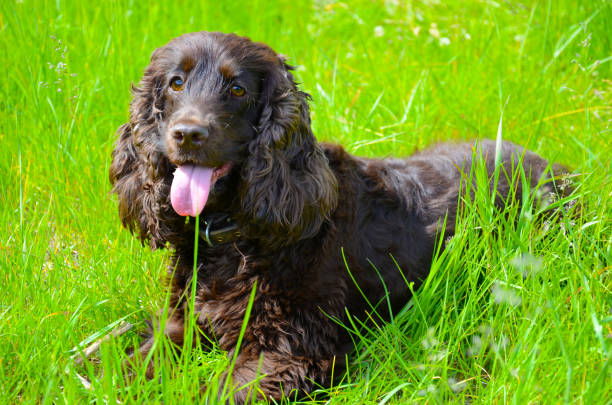
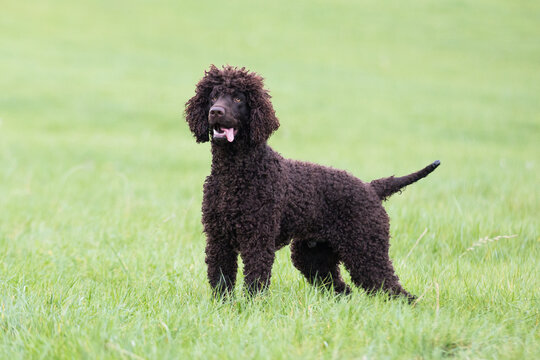
Breed Appearance:
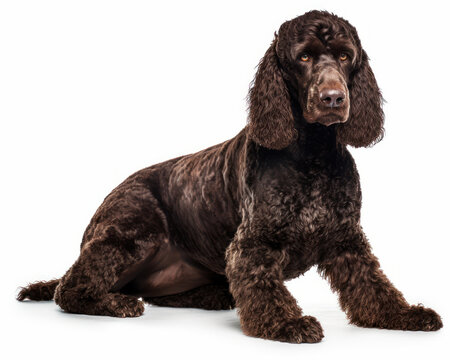
The Irish Water Spaniel is a strong, athletic, and well-balanced dog with a distinctive sporting build.
The breed commonly features:
- Broad, well-proportioned head
- Long, strong muzzle
- Dark hazel eyes
- Long, curly ears
- Deep chest
- Strong, muscular neck
- Well-developed limbs
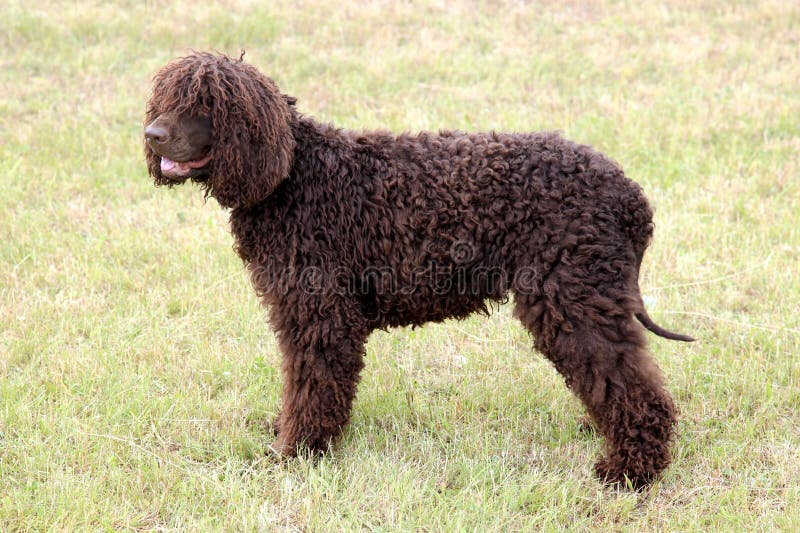
- Long, smooth, tapering tail with little to no feathering
Its dense, tightly curled, weather-resistant coat provides excellent insulation during work in cold water.
Common coat colours include:
- Liver
The breed's rich liver-coloured curls and distinctive smooth tail reflect its heritage as a specialised water retriever.
Breed Type – Sporting Dog:
The Irish Water Spaniel is an intelligent, energetic, and confident sporting breed.
It is known for being:
- Loyal
- Intelligent
- Playful
- Energetic
- Courageous
- Affectionate with family
The breed forms strong bonds with its family and generally gets along well with children and other pets when properly socialised. It may be reserved around unfamiliar people.
Training:
The Irish Water Spaniel is highly intelligent and eager to learn.
Training should focus on:
- Early socialisation
- Positive reinforcement methods
- Basic obedience training
- Recall training
- Leash manners
- Consistent leadership
The breed excels in:
- Hunting
- Retrieving
- Obedience
- Agility
- Dock diving
- Companion activities
Structured, reward-based training helps the breed become a confident and well-mannered companion.
Health & Care:
The Irish Water Spaniel is generally healthy but may be prone to several health concerns, including:
- Hip dysplasia
- Elbow dysplasia
- Hypothyroidism
- Progressive retinal atrophy
- Cataracts
- Ear infections
Routine veterinary care, responsible breeding, regular exercise, and maintaining a healthy weight help support long-term health.
Living Conditions:
The Irish Water Spaniel thrives in active homes where it receives regular exercise, training, and close family companionship.
Ideal environments include:
- Houses with secure yards
- Rural or suburban homes
- Active families
- Hunters and outdoor enthusiasts
- Experienced or committed first-time dog owners
The breed prefers living indoors with its family and is not suited to prolonged isolation.
Exercise:
The Irish Water Spaniel has high exercise requirements.
Recommended activities include:
- Daily walks
- Swimming
- Retrieving games
- Hiking
- Obedience training
- Mental enrichment activities
Regular physical activity and mental stimulation are essential to maintain the breed's physical and mental well-being.
Grooming:
The dense, curly coat requires moderate to high maintenance.
- Brushing two to three times per week
- Regular trimming to maintain coat condition
- Occasional bathing
- Routine ear cleaning and nail trimming
- Regular dental care
The breed sheds very little throughout the year but requires consistent coat maintenance to prevent matting.
Advantages:
- Highly intelligent and easy to train
- Excellent swimmer and water retriever
- Loyal and affectionate family companion
- Distinctive low-shedding coat
- Energetic and versatile sporting dog
- Good with children and other pets
Disadvantages:
- Requires plenty of exercise and mental stimulation
- Needs regular grooming and coat maintenance
- May be reserved with strangers
- Prone to hereditary joint and eye conditions
- Can develop separation anxiety if left alone frequently
- Relatively rare breed with limited availability