



Understanding Hip and Elbow Dysplasia in Dogs
Hip and Elbow Dysplasia are among the most common and painful joint conditions affecting dogs — particularly large and giant breeds. Understanding what causes them, how they progress, and how to prevent or manage them is one of the most important things you can do for your dog's long-term quality of life.
1. What Are Hip and Elbow Dysplasia?
Hip Dysplasia is a developmental condition where the hip joint doesn't fit together properly, causing looseness and abnormal movement. Over time, this instability leads to cartilage wear, pain, and osteoarthritis.
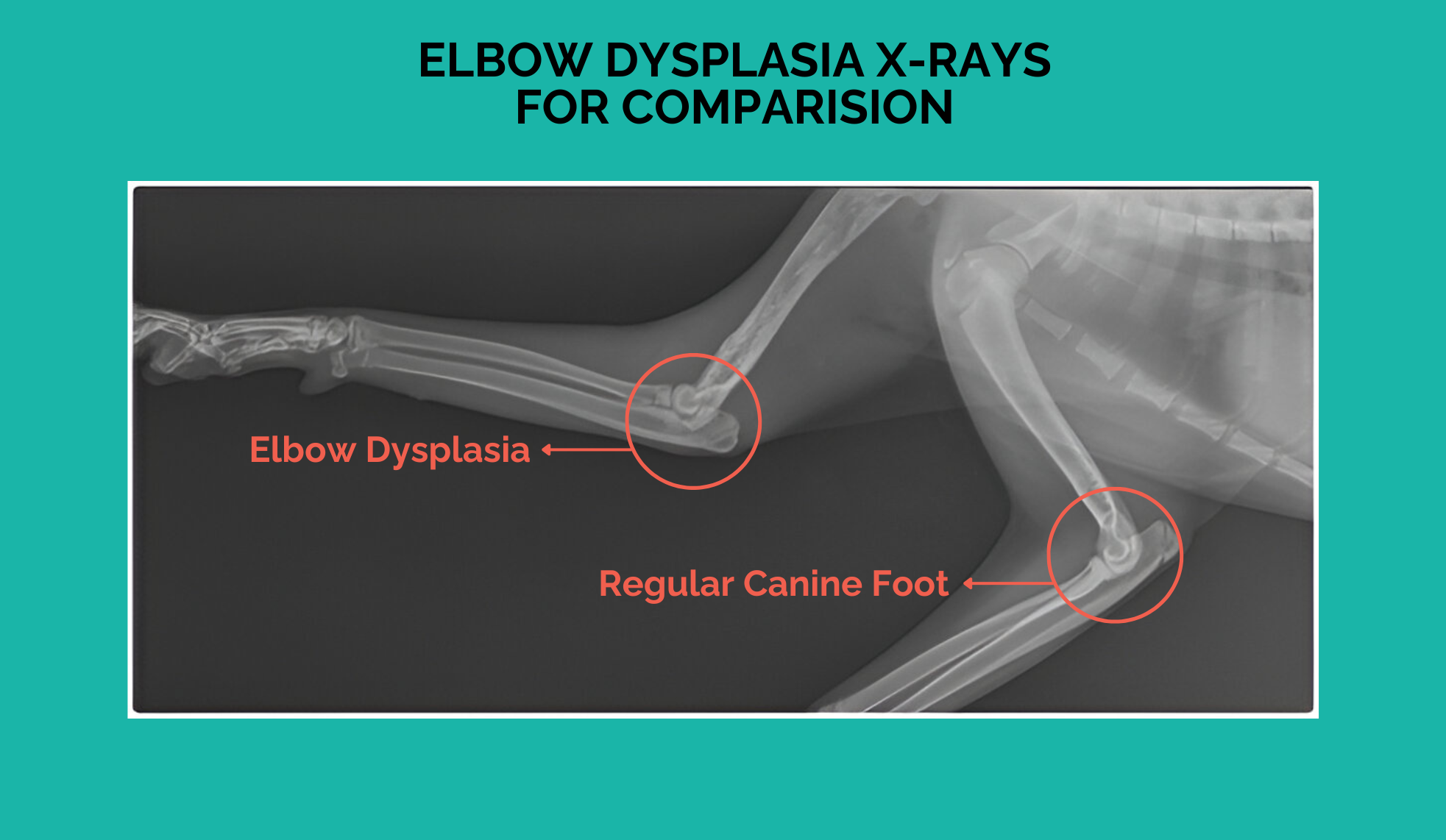
Elbow Dysplasia refers to abnormal development of the elbow joint, typically involving one or more structural defects. There are four recognised forms:
-
1Fragmented Coronoid Process (FCP)
- One of the bones in the elbow, the ulna, has a small bony protrusion called the coronoid process
- In FCP, this process fractures or breaks away due to uneven growth or pressure
- This fragment irritates the joint, causing pain, inflammation, and arthritis
- Common in large breeds like Labradors and Great Danes
-
2Ununited Anconeal Process (UAP)
- Another part of the ulna, the anconeal process, is supposed to fuse to the bone by 5 months of age
- In UAP, it doesn't fuse properly, leaving a loose piece in the joint
- This loose fragment causes joint instability and pain, often needing surgical correction
- More common in German Shepherds and Basset Hounds
-
3Osteochondritis Dissecans (OCD)
- A cartilage development issue where a flap of cartilage separates from the bone, often in the elbow or shoulder
- This causes joint pain and may lead to arthritis if the flap detaches completely
- Associated with rapid growth, poor diet, and genetic factors
-
4Joint Incongruity
- The three bones of the elbow (humerus, radius, ulna) must align perfectly
- If they don't, pressure is unevenly distributed, causing damage and predisposing the joint to conditions like FCP or OCD
- Leads to chronic instability and pain

2. What Can Cause Hip or Elbow Dysplasia?
-
1Genetics
- Faulty genes lead to improper bone and joint development
- Poor breeding practices perpetuate these genes by ignoring health screening
- Line breeding or inbreeding can increase the expression of defective genes
-
2Rapid Growth
- Large breed puppies often grow too quickly, stressing their joints
- Growth plate closure timing can mismatch, causing bone misalignment (joint incongruity)
-
3Overfeeding or Poor Diet
- Diets too rich in calories or with a calcium/phosphorus imbalance can disrupt bone growth
- Puppies given too much protein or energy-rich food may grow faster than their skeleton can handle
-
4Obesity
- Excess body weight puts tremendous pressure on developing or already malformed joints
- This accelerates degeneration and worsens pain and inflammation
-
5High-Impact Exercise in Puppies
- Jumping, running on hard surfaces, or forced exercise at a young age can damage soft, developing joints
- Repetitive strain before the bones have fully ossified significantly increases risk
-
6Poor Breeding Practices
- Breeders who don't test for joint health (e.g., OFA certification) increase the likelihood of dysplasia in offspring
- Breeding dogs with even mild signs of dysplasia can pass on the defect to the next generation
3. How Does It Affect the Dog?
Hip and Elbow Dysplasia both can have major effects on your pet. The condition progresses silently in its early stages — by the time most owners notice symptoms, significant joint damage has already occurred:
-
1Lameness and Limping
- Often seen in one or both limbs
- May start mildly and worsen over time or after intense activity
-
2Stiffness and Reduced Range of Motion
- Dogs may resist flexing or extending the affected joints
- Movements like climbing stairs or getting in a car become difficult
-
3Pain and Sensitivity
- Dogs may yelp when touched near the joint or avoid being handled
- Behavioural changes like irritability, restlessness, or even aggression can occur due to chronic pain
-
4Decreased Activity and Endurance
- Dogs may tire quickly, refuse walks, or lie down more frequently
- Young dogs may appear lazy when they are actually in discomfort
-
5Muscle Atrophy
- Muscles — especially in hind limbs (hip dysplasia) or forelimbs (elbow dysplasia) — shrink due to disuse
- Creates a noticeable difference in leg girth that owners can observe visually
-
6Gait Abnormalities
- Bunny-hopping gait (hips) or outward turning of the elbow
- Uneven or swaying walking patterns
-
7Arthritis and Inflammation
- Chronic wear and tear causes osteoarthritis — a permanent, progressive condition
- Leads to swelling, joint thickening, and long-term disability if unmanaged
4. How to Prevent or Minimise the Risk
While some causes are genetic and not fully preventable, proactive care significantly reduces risk and delays the progression of existing disease:
-
1Choose Reputable Breeders
- Only adopt from breeders who test for dysplasia (OFA or PennHIP certification)
- Avoid backyard breeders or those focused solely on appearance or size
-
2Maintain a Healthy Weight
- Keep your dog lean throughout life — overweight dogs show earlier and more severe symptoms
- Regular weight checks and controlled portions are crucial, especially in food-motivated large breeds
-
3Feed Appropriate Puppy Food
- Large-breed puppy formulas are specially designed to control growth rate and bone mineralisation
- Avoid supplements unless prescribed by your vet — excess calcium or certain vitamins can actively cause harm
-
4Avoid Excessive Exercise During Growth
- No forced jogging, stair climbing, or jumping before 12–18 months in large breeds
- Allow for natural play and low-impact activity on soft surfaces during the growth phase
-
5Joint Health Supplementation Starting early with targeted joint support is one of the most impactful preventive steps available — and the evidence for proactive supplementation in predisposed breeds is strong.
-
6Regular Veterinary Monitoring
- Early X-rays (around 4–6 months for the elbow and 6–12 months for the hips) can catch issues before they become severe
- Interventions like physical therapy, pain management, or surgery are most effective when started early
Canine Mobility+: Purpose-Built Joint Support

Why Canine Mobility+ is the #1 supplement for dysplasia-prone dogs:
- Glucosamine — a key compound that helps maintain healthy cartilage, supports joint lubrication, and reduces stiffness. It promotes smoother movement and enhances flexibility — particularly important for dogs in the early stages of dysplasia, where preserving cartilage integrity slows the progression to full osteoarthritis.
- Chondroitin — supports better mobility and flexibility, especially in ageing or active dogs. Works synergistically with glucosamine to promote long-term joint health — the combination is the most evidence-backed approach in veterinary joint medicine for both hip and elbow dysplasia management.
- Collagen Peptides — support the repair and regeneration of joints, cartilage, and connective tissues. Provide the amino acid building blocks (glycine and proline) that the body uses to maintain joint capsule integrity and slow the structural deterioration that characterises dysplasia progression.
- Turmeric Curcumin — a natural anti-inflammatory that reduces the chronic low-grade joint inflammation that drives pain and accelerates cartilage wear in dysplastic dogs. Ideal for dogs at any stage of the condition — from early prevention through active management.
- Chicken Bone Broth base — makes the supplement highly palatable even for reluctant eaters, adds natural collagen and glycine, and integrates seamlessly into any wet or home-cooked meal routine as a liquid topper.
5. Which Breeds Are Prone to Hip and Elbow Dysplasia?
Hip Dysplasia and Elbow Dysplasia are prevalent in larger dog breeds and high-energy or active breeds. Large breeds most commonly affected include:
Active or high-energy breeds are also at risk — particularly due to high-impact exercise as a puppy or activity-related injuries:
6. Frequently Asked Questions
Q: Can hip or elbow dysplasia be cured?
There is no cure for hip or elbow dysplasia in the sense of reversing the structural abnormality — the developmental malformation is permanent. However, the condition is highly manageable, and many dysplastic dogs live long, comfortable, active lives with the right combination of weight management, appropriate exercise, joint supplementation, and veterinary monitoring. In severe cases, surgical intervention (total hip replacement, femoral head ostectomy for hip; fragment removal or corrective osteotomy for elbow) can dramatically improve quality of life. The key principle is early intervention: the earlier the condition is identified and managed, the slower the progression to debilitating osteoarthritis.
Q: At what age does hip or elbow dysplasia typically appear in dogs?
Both conditions are developmental — they begin during the growth phase, not in old age. Signs of elbow dysplasia can appear as early as 4–9 months, since the elbow's bony processes fuse (or fail to fuse) during this window. Hip dysplasia signs often appear between 6–18 months in early-onset cases, though some dogs show no clinical signs until middle age when secondary osteoarthritis becomes significant. This is why early X-ray screening (4–6 months for elbows, 6–12 months for hips in high-risk breeds) and early supplementation with Canine Mobility+ are recommended well before any limping or stiffness becomes visible.
Q: Is hip dysplasia genetic? Can I prevent it by choosing the right breeder?
Genetics is the single largest risk factor for both hip and elbow dysplasia — it is why certain breeds are affected at dramatically higher rates than others. Choosing a breeder who performs OFA (Orthopedic Foundation for Animals) or PennHIP certification on both parents, and who can provide clearance certificates, significantly reduces — but does not eliminate — the risk to offspring. Environmental factors (diet, weight, exercise during puppyhood) interact with genetic predisposition to determine severity. A dog with moderate genetic predisposition managed with excellent nutrition and appropriate exercise may show far milder symptoms than a genetically identical dog managed poorly.
Q: Do joint supplements actually help dogs with hip dysplasia?
Yes — the evidence for glucosamine and chondroitin supplementation in dogs with hip and elbow dysplasia is well-established in veterinary medicine. These compounds support cartilage integrity, joint fluid production, and reduce the inflammatory cascade that drives pain and disease progression. They are most effective when started early — before significant cartilage loss has occurred — which is why starting supplementation in high-risk breeds at 6–12 months (before symptoms appear) produces better long-term outcomes than waiting until limping is obvious. Canine Mobility+ combines glucosamine and chondroitin with collagen peptides and turmeric curcumin for a comprehensive multi-mechanism approach to both prevention and management.
Q: How is hip or elbow dysplasia diagnosed?
Diagnosis is confirmed by X-ray (radiograph) under sedation or anaesthesia. The vet will assess the fit between the femoral head and the hip socket (hip dysplasia) or the alignment and integrity of the elbow's three bones (elbow dysplasia). In some cases, CT scanning provides more detailed information for surgical planning. Clinical signs — gait abnormalities, muscle atrophy, reduced range of motion — inform the examination, but X-ray is required for definitive diagnosis and grading of severity. Many dogs with moderate dysplasia show surprisingly subtle clinical signs until the condition is advanced, which is why breed-appropriate screening at the recommended ages matters even for dogs that appear comfortable.
Q: What foods or diet changes help manage dysplasia in dogs?
Diet management for dysplastic dogs has three priorities. First, maintaining a lean body weight — even modest excess weight dramatically accelerates joint deterioration, and reducing a dysplastic dog's body weight by 10–15% consistently produces measurable improvement in clinical signs. Second, feeding high-quality, bioavailable protein to maintain the muscle mass that protects affected joints — lean whole-meat wet food is ideal. Third, ensuring daily delivery of joint-supporting nutrients: glucosamine, chondroitin, collagen, and omega-3 fatty acids (EPA/DHA from fish or hemp seed sources). Adding a bone broth topper provides passive collagen and glycine that supports both gut lining and joint tissue. Canine Mobility+ integrates all of these joint-active compounds in a single daily liquid supplement served over any meal.
Q: Can exercise make dysplasia worse?
The relationship between exercise and dysplasia is nuanced. High-impact activities — jumping, forced running on hard surfaces, stair climbing during the growth phase — are genuine risk factors during puppyhood and should be minimised in large breeds until skeletal maturity (typically 12–18 months). In adult dogs with existing dysplasia, complete rest is counterproductive: it leads to muscle wasting that removes the protective support around already-damaged joints. The correct approach is controlled, low-impact exercise — lead walks on soft surfaces, swimming, and leash-controlled gentle play — which maintains muscle mass and joint fluid circulation without stressing the affected joint. Work with your vet to design an exercise programme appropriate for your dog's severity of disease.
Q: Is dysplasia more common in dogs in India?
Dysplasia rates in Indian dogs broadly reflect the global pattern — it is primarily a function of breed genetics and breeding practices rather than geography. The most commonly affected breeds in India (German Shepherds, Labradors, Golden Retrievers, and large imported mastiff breeds) have high global dysplasia prevalence rates. A complicating factor in the Indian context is the prevalence of unscreened backyard breeding, which does not involve OFA or PennHIP certification and therefore perpetuates genetic predisposition more rapidly than in regions with established screening programmes. Indian pet owners of large breeds should be particularly proactive about early screening, weight management, and supplementation given the limited availability of screened breeding stock.
Final Thoughts: Prevention and Early Action Change Outcomes
Hip and Elbow Dysplasia are not inevitable sentences — they are conditions whose severity and progression are profoundly shaped by the decisions made in the first months and years of a dog's life. The right breeder, the right diet, controlled growth, appropriate exercise, and proactive supplementation together create a meaningfully different long-term outcome than waiting for symptoms to appear.
- Choose breeders who screen for dysplasia — OFA or PennHIP certified parents
- Keep your dog lean throughout life — weight is the most controllable risk factor
- Feed large-breed appropriate food during puppyhood — controlled growth rate is critical
- Start Canine Mobility+ by 6–12 months in all high-risk breeds — before symptoms appear
- Schedule early X-ray screening — 4–6 months for elbows, 6–12 months for hips in large breeds
- Use low-impact, controlled exercise in adult dysplastic dogs — maintain muscle, protect joints
- Never give unsupervised calcium or vitamin supplements to growing large-breed puppies
- Never force jogging, jumping, or stair climbing before 12–18 months in large breeds
- Never ignore early stiffness, gait changes, or reluctance to exercise — early intervention changes outcomes
🦴 Support Your Dog's Joints from the Inside — Canine Mobility+
A powerful joint supplement designed to enhance flexibility, ease stiffness, and promote long-term mobility. Formulated with glucosamine, chondroitin, collagen peptides, and turmeric curcumin — suitable for all dogs and puppies from 3 months. Available exclusively on goofytails.com.
Shop Canine Mobility+ →
Leave a comment