



Aegean

History:
The Aegean is a naturally occurring cat breed that originated in the Cycladic Islands of Greece, particularly around the Aegean Sea. Considered one of the oldest naturally developed domestic cat populations in Europe, the breed has lived alongside humans for thousands of years. Unlike many modern cat breeds, the Aegean was not created through selective breeding but evolved naturally, adapting to the coastal environment and island lifestyle.
For centuries, Aegean cats lived around fishing villages and harbours, where they became valued for their excellent hunting abilities and unusual fondness for water. They helped control rodent populations around boats, docks, and farms while forming close relationships with local communities. The breed remained relatively unknown internationally until the late 20th century, when organised breeding programmes began preserving its distinctive characteristics. Today, the Aegean is recognised as Greece's native cat breed and is admired for its intelligence, friendly temperament, and hardy constitution.
Today, the Aegean is valued as an affectionate family companion, skilled hunter, and naturally developed breed known for its intelligence, playful personality, and adaptability.
|
Gender |
Height |
Weight |
|---|---|---|
| Male |
25 to 30 cm |
4 to 6 kg |
|
Female |
23 to 28 cm |
3 to 5 kg |
Size: Medium
Life Expectancy: 12 to 16 years

Breed Appearance:
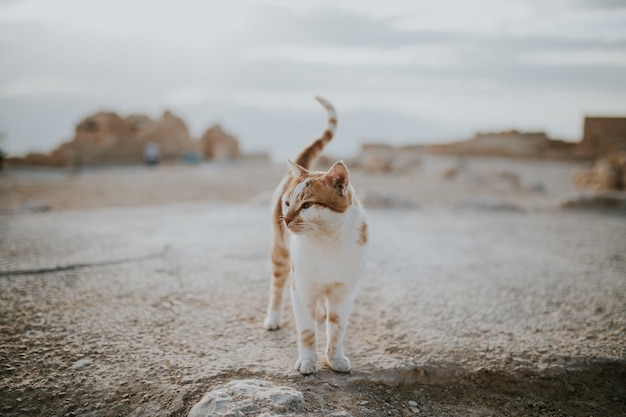
The Aegean is a medium-sized, muscular, and well-balanced cat with an athletic build.
The breed commonly features:
-
Moderately rounded head
-
Medium-length muzzle
-
Large, almond-shaped expressive eyes
-
Medium to large ears with rounded tips
-
Strong, muscular neck
-
Well-developed chest
-
Long, sturdy legs
-
Long, bushy tail
Its semi-long, silky coat lacks a dense undercoat, making it well suited to the Mediterranean climate.
Common coat colours and patterns include:
-
White with black patches
-
White with blue or grey patches
-
White with red patches
-
White with cream patches
-
White with tabby markings
-
Bicolour and tricolour combinations
The breed is particularly known for its predominantly white coat combined with coloured patches.
Breed Type – Companion Cat:
The Aegean is an intelligent, affectionate, and active breed.
It is known for being:
-
Friendly
-
Intelligent
-
Playful
-
Curious
-
Social
-
Adaptable
The breed enjoys human companionship and generally gets along well with children, other cats, and cat-friendly dogs.

Training:
The Aegean is highly intelligent and responsive to interaction.
Training and enrichment should focus on:
-
Early socialisation
-
Positive reinforcement
-
Clicker training
-
Interactive puzzle games
-
Leash training
-
Trick training
The breed enjoys activities such as:
-
Fetch
-
Puzzle solving
-
Agility
-
Climbing activities
-
Interactive play
Regular mental stimulation helps prevent boredom and destructive behaviour.
Health & Care:
The Aegean is considered a naturally healthy breed with relatively few known inherited health conditions.
Routine care should include:
-
Regular veterinary check-ups
-
Dental hygiene
-
Parasite prevention
-
Weight management
-
Vaccinations
Providing a balanced diet and maintaining an appropriate body weight are important for long-term health.
Living Conditions:
The Aegean adapts well to a variety of living environments.
Ideal environments include:
-
Apartments with sufficient enrichment
-
Houses with secure outdoor enclosures
-
Active families
-
Multi-pet households
The breed enjoys climbing, exploring, and interactive play. Cat trees, scratching posts, and toys that encourage natural hunting behaviours are particularly beneficial.
Exercise:
The Aegean has moderate to high exercise requirements.
Recommended activities include:
-
Interactive play sessions
-
Climbing structures
-
Puzzle feeders
-
Fetch games
-
Wand toys
Around 45 to 60 minutes of active play each day helps maintain physical fitness and mental stimulation.
Grooming:
The semi-long coat is relatively easy to maintain.
-
Brushing once or twice per week
-
More frequent brushing during seasonal shedding
-
Nail trimming
-
Regular ear cleaning
-
Routine dental care
The breed sheds moderately, with heavier shedding typically occurring during seasonal coat changes.

Advantages:
-
Friendly and affectionate with family members
-
Naturally healthy and hardy
-
Intelligent and highly trainable
-
Generally good with children and other pets
-
Moderate grooming requirements
-
Excellent hunter and active companion
Disadvantages:
-
Requires regular physical and mental stimulation
-
Can become bored without sufficient enrichment
-
Moderate seasonal shedding
-
Relatively rare outside Greece
-
Enjoys climbing and exploring high places
-
May dislike being left alone for extended periods