



How to Manage Obesity in Dogs
Obesity is the most common preventable health condition in dogs - and in India, it is almost entirely diet and lifestyle driven. This guide covers everything you need to know about managing your dog's weight through the right food, the right portions, joint support, and a practical daily routine.
If your dog looks rounder than they used to, tires more quickly on walks, seems reluctant to run or play, or has started having difficulty getting up from rest - you are already seeing the signs. Canine obesity is gradual, easy to miss until it is well established, and it silently accelerates joint damage, metabolic disease, and reduced lifespan. The good news: it responds directly and reliably to dietary change. The right food, portion strategy, and daily habits can produce meaningful improvement within 8-12 weeks. This guide shows you exactly how.
1. Why Do Dogs Become Overweight? Understanding the Root Causes

Canine obesity is almost always the result of more than one overlapping cause. Addressing only one while ignoring the others rarely produces lasting results.
Leaving food available throughout the day - whether dry kibble in a bowl or frequent extra servings - is the most common driver of canine weight gain. Dogs are opportunistic eaters: given continuous food access, most will eat well beyond their energy requirements. Unlike wild dogs who experienced natural fasting between hunts, indoor dogs face no food scarcity at all. A dog who grazes freely on calorie-dense dry kibble will consistently overconsume calories even if each individual portion looks modest. Structured meal times with measured portions are the first and most impactful intervention for any overweight dog.
Standard dry kibble typically contains 40-60% carbohydrates - primarily from grains, starches, and fillers that are cheap to produce but metabolically taxing for dogs. Dogs can metabolise carbohydrates, but the high glycaemic load of kibble drives repeated insulin spikes that shift the body toward fat storage rather than fat burning. Kibble's high caloric density (350-450 kcal per 100g) compared to high-quality wet food (80-120 kcal per 100g) means even a visually reasonable-sized bowl can deliver significantly more calories than an active dog actually needs. Grain-free, high-protein, high-moisture food directly addresses both drivers simultaneously.
Many Indian apartment dogs receive one or two short walks per day - often less than 20-30 minutes total. Most medium and large breeds require 45-90 minutes of genuine physical activity daily to maintain a healthy weight. Without adequate movement, energy expenditure falls well below caloric intake, and the surplus accumulates as body fat over weeks and months. The challenge is that as dogs gain weight, exercise becomes less comfortable due to joint stress, heat tolerance drops, and activity decreases further - creating a reinforcing cycle. Breaking this cycle requires both dietary change and structured daily exercise introduced gradually.
Neutered dogs have a metabolic rate approximately 20-30% lower than intact dogs, while often maintaining the same or increased appetite. This creates a structural caloric surplus that, if the diet is not adjusted post-surgery, results in steady weight gain in the first 6-12 months after neutering. Many dog owners notice their dog "just got fat" without any change in feeding - the feeding did not change, but the dog's ability to burn those calories changed significantly. Immediate post-neutering dietary adjustment - reducing daily caloric intake by 20-25% and switching to high-protein, lower-calorie food - prevents the weight gain that often goes uncorrected for years.
Senior dogs (7+ years for medium and large breeds, 5+ for giant breeds) experience a natural metabolic slowdown alongside progressive muscle loss. They need fewer calories but paradoxically need higher-quality protein to maintain the lean muscle mass that keeps their metabolism active. Feeding a senior dog the same diet as a younger adult without adjusting portions or protein density leads to fat gain alongside muscle loss - the worst combination for long-term health, joint function, and longevity. Dietary adjustment for senior dogs is one of the most commonly missed weight management interventions.
Certain dog breeds are genetically predisposed to weight gain through slower metabolism, stronger food motivation, or a constitutional tendency to store fat. Labrador Retrievers, Beagles, Pugs, Cocker Spaniels, Dachshunds, Golden Retrievers, and Rottweilers are among the most commonly affected in India. These breeds require stricter portion discipline, more structured daily activity, and more proactive monitoring than breeds with naturally higher metabolic rates. See Section 6 for a full overview of obesity-prone dog breeds in India.
2. What Obesity Does to Your Dog's Body: The Full Health Impact
Obesity in dogs is not a cosmetic issue. It is a systemic disease that affects virtually every organ and measurably shortens a dog's healthy years. Understanding the downstream consequences is the strongest motivation for taking weight management seriously.
| Body System | How Obesity Affects It | What You See |
|---|---|---|
| Joints and Mobility | Every extra kilogram places disproportionate mechanical load on joints. Excess body fat is also pro-inflammatory, directly accelerating cartilage breakdown and worsening hip dysplasia, elbow dysplasia, and osteoarthritis. Overweight dogs develop joint disease years earlier than healthy-weight dogs of the same breed. | Reluctance to climb stairs, stiff movement after rest, difficulty rising, reduced play interest, limping |
| Metabolic and Endocrine | Chronically elevated insulin from high-carbohydrate diets drives insulin resistance and eventually diabetes mellitus in dogs. The liver accumulates fat when fat metabolism is overwhelmed, creating hepatic lipidosis risk. Hypothyroidism - already more common in overweight dogs - further slows metabolism. | Increased thirst and urination, weight gain despite normal intake, lethargy, skin and coat changes |
| Cardiovascular System | The heart must work harder to supply blood to an enlarged body mass. Fat deposits around the heart reduce cardiac efficiency. Overweight dogs have elevated blood pressure and are at significantly higher risk of cardiac complications, particularly in middle age. | Exercise intolerance, laboured breathing during walks, slow recovery after activity |
| Respiratory System | Fat deposits around the chest cavity and abdomen restrict lung expansion and diaphragm movement, reducing oxygen capacity. This is particularly dangerous in brachycephalic breeds (Pugs, Bulldogs, French Bulldogs) where airways are already compromised. | Panting heavily at rest, open-mouth breathing, rapid shallow breathing, intolerance to heat |
| Skin and Coat | Overweight dogs often cannot reach areas of their body to groom effectively. Skin folds that form with excess weight trap moisture and bacteria, leading to chronic skin fold dermatitis. Nutritional deficiencies from poor-quality kibble compound skin and coat deterioration. | Matted or unkempt coat, skin fold infections, persistent dandruff, dull or dry fur |
| Immune and Inflammatory | Adipose (fat) tissue is metabolically active and pro-inflammatory. Obese dogs carry a persistent systemic inflammatory burden that suppresses immune function, increases susceptibility to infections, and slows healing from injury or surgery. | Frequent infections, slow wound healing, recurring skin or ear issues, poor recovery from illness |
| Lifespan | A landmark study demonstrated that Labrador Retrievers fed to lean body condition lived an average of 1.8 years longer than their overweight counterparts - with delayed onset of mobility-limiting joint disease. For most breeds, obesity costs 1-3 healthy years of life. | Earlier onset of senior health problems, reduced quality of life from middle age, shortened active years |
3. How to Tell If Your Dog Is Overweight: The Body Condition Assessment
Your dog's weight on a scale is less informative than their body composition. A muscular dog may weigh more than a fat dog of the same breed. The Body Condition Score (BCS) system gives you a reliable, hands-on assessment in under two minutes.
The Rib Test
Place both hands flat on your dog's sides with thumbs along the spine and fingers wrapping over the ribcage. In a healthy-weight dog, you should feel each individual rib with light finger pressure - like running your fingers over the back of your hand. If you have to press with noticeable force to feel ribs, your dog is overweight. If you cannot feel any ribs at all without significant pressure, your dog is obese.
The Waist and Belly Check
Looking down at your dog from above, there should be a visible narrowing at the waist between the last rib and the hips. A healthy dog has a defined waist - not dramatic, but visible. From the side, the belly should tuck upward behind the ribcage rather than hanging level or sagging. A pendulous belly that sways when the dog walks is a clear indicator of significant excess body fat.
| Body Condition | What You Feel and See | What It Means |
|---|---|---|
| Underweight | Ribs, spine, and hip bones visible without touching; no waist curve; prominent hip and shoulder bones | Increase food quality and quantity; vet check recommended |
| Ideal Weight | Ribs easily felt with light pressure; visible waist from above; belly tucks upward behind ribcage | Maintain current diet and activity level |
| Overweight | Ribs felt but require firm pressure; waist difficult to define from above; belly level or slightly below ribcage | Dietary adjustment and increased activity needed |
| Obese | Ribs not felt without significant pressure; no visible waist; belly sags; fat deposits visible over spine and at tail base | Structured weight management programme needed; vet guidance strongly recommended |
4. Managing Obesity Through Diet: The Right Approach

The dietary strategy for managing canine obesity is not simply "feed less." Reducing quantity alone, without improving food quality, often leads to a dog that is nutritionally deficient while still gaining fat from excessive carbohydrates. The correct approach is to improve food quality first - lower carbohydrate, higher real-meat protein, higher moisture - and then manage portion size based on the dog's ideal target weight, not their current weight.
The Core Dietary Principles for Dog Weight Management
- High protein, low carbohydrate - grain-free where possible: Protein supports muscle retention during weight loss and drives genuine satiety. The high-carbohydrate content of standard dry kibble is the primary dietary driver of fat accumulation in dogs. Grain-free, high-protein wet food dramatically reduces carbohydrate intake while maintaining the protein needed for lean body mass. Target: minimum 50-58% real animal protein, under 15% carbohydrates.
- High moisture - wet food as the primary diet: Wet food at 70-80% moisture delivers the same caloric intake in a significantly larger, more filling volume than dry food. A dog eating wet food feels genuinely satisfied at lower caloric intake because the volume and protein signal satiety appropriately. Dry kibble's low volume at high caloric density makes it very difficult to portion effectively for weight loss.
- Measured portions based on target weight: Calculate daily caloric needs based on the dog's ideal target weight, not their current weight. Feeding to current weight perpetuates excess intake. A simple guideline: 40-50 kcal per kg of ideal body weight per day for active weight loss. Your vet can calculate this precisely.
- 2 structured meals per day, no free feeding: Remove the bowl between meals entirely. Structured mealtimes restore the natural hunger-satiety cycle. Dogs adapt within 3-5 days.
- Treats under strict control: Treats should account for no more than 10% of daily calories during active weight management. Use high-protein, single-ingredient treats rather than commercial dog treats, which are typically starch-heavy and calorie-dense.
Why Grain-Free Wet Food Outperforms Dry Kibble for Weight Management
| Comparison Factor | Standard Dry Kibble | Grain-Free High-Protein Wet Food |
|---|---|---|
| Moisture content | 8-10% | 70-80% |
| Carbohydrate content | 40-60% | 5-15% |
| Protein content | 22-30% (often grain and plant-sourced) | 50-58% (whole animal protein) |
| Caloric density per 100g | 350-450 kcal | 80-120 kcal |
| Satiety effect | Poor - glycaemic spike drives rapid return of hunger | Excellent - protein-driven satiety, slow appetite return |
| Joint health impact | Pro-inflammatory (high glycaemic, low omega-3) | Anti-inflammatory (high EPA/DHA, lower glycaemic) |
| Weight management suitability | Poor | Excellent |
5. The Right Goofy Tails Products for Dog Weight Management
Every Goofy Tails wet dog food is made with high-quality real meat, 70-80% natural moisture, and no artificial preservatives or fillers. The G-Forte+ grain-free range delivers 58% real animal protein - the highest in the lineup - making it particularly suited to weight management, where protein density matters most for satiety and muscle retention.
Step 1: The Foundation Meals - Grain-Free, High-Protein
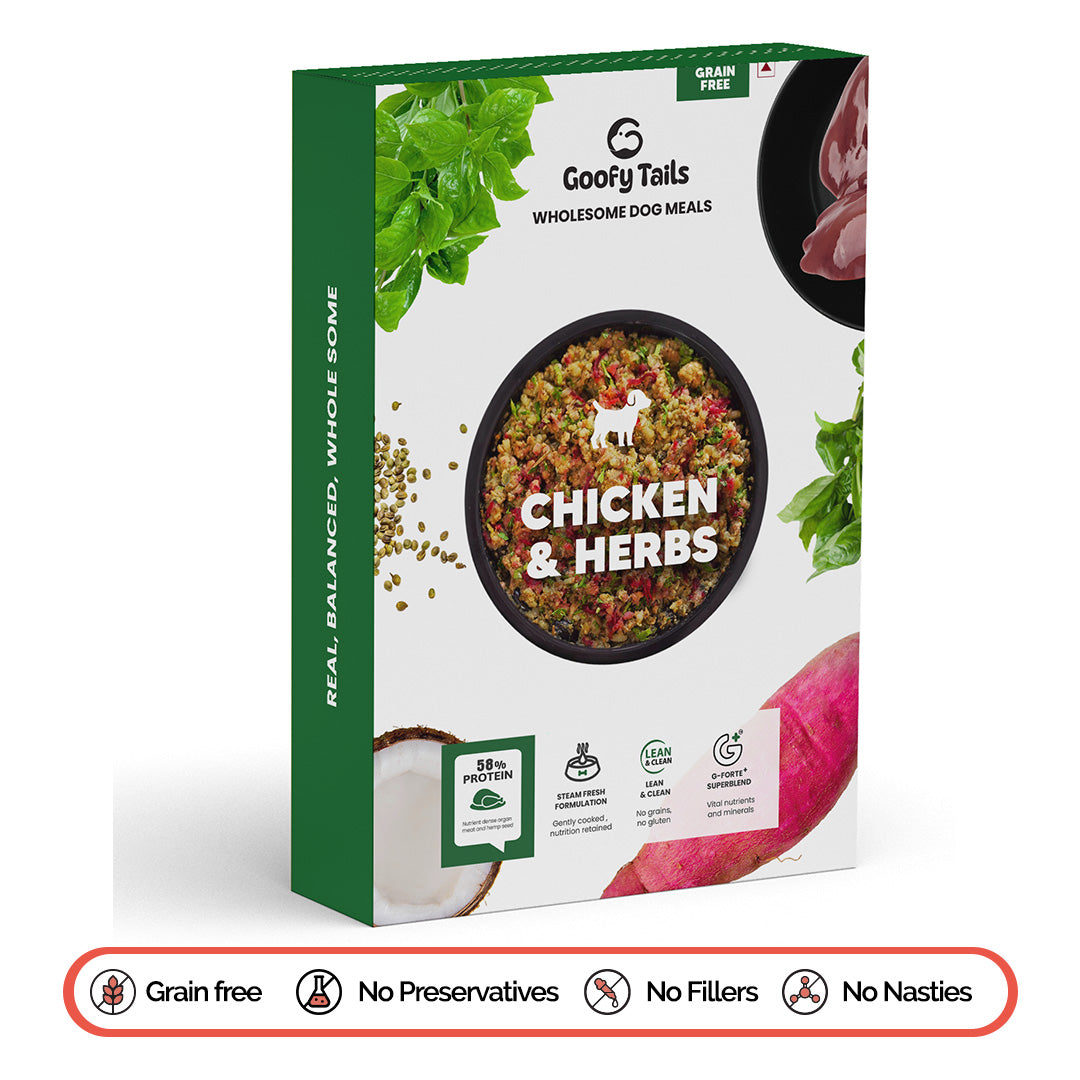
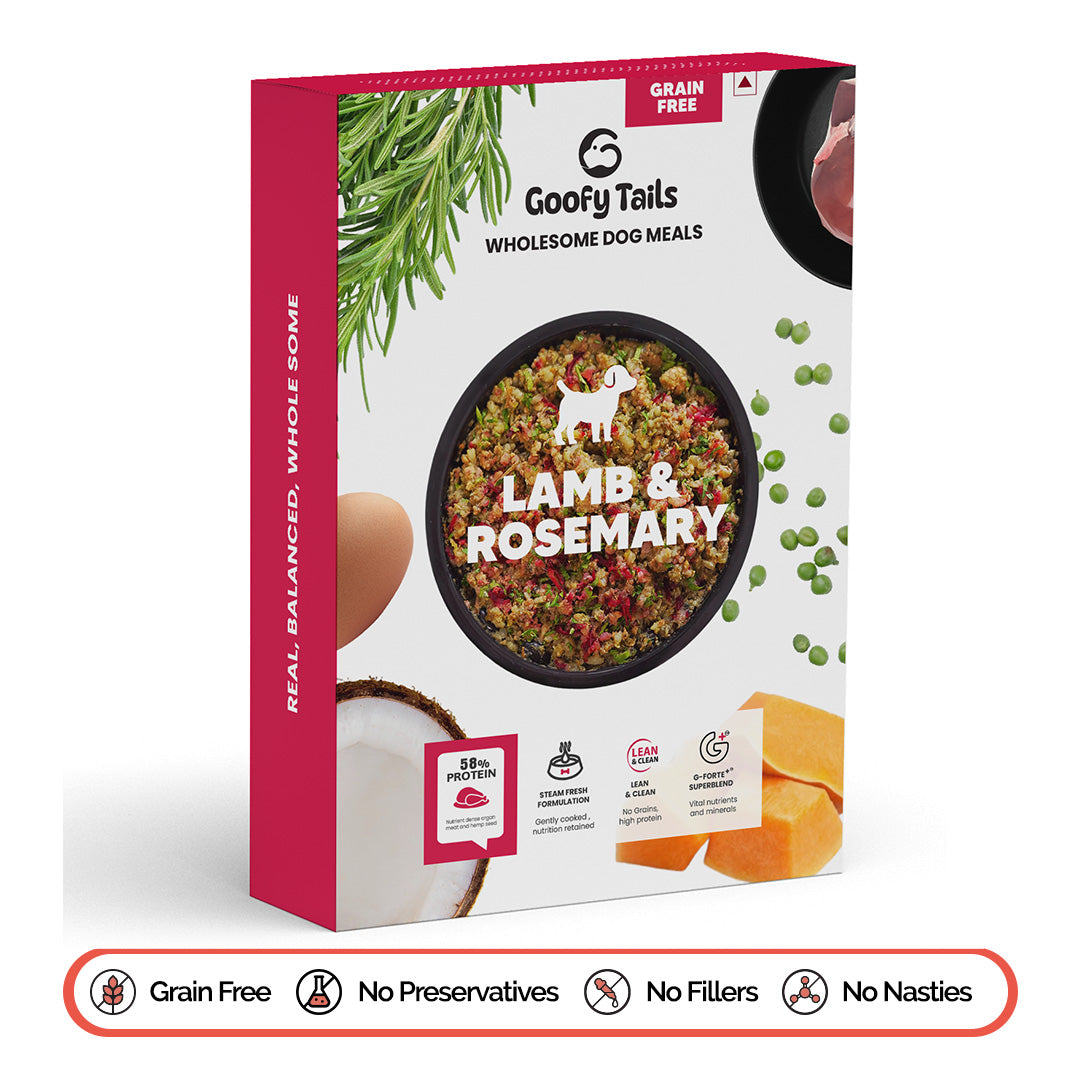
"As a Vet I recommend clean, honest and wholesome ingredients and an active lifestyle. Therefore, I trust and recommend Goofy Tails."Dr. Madhurita, President, Myvets Charitable Trust & Research Centre
Step 2: Canine Mobility+ - Joint Support for Overweight Dogs
Excess body weight is one of the most damaging things an overweight dog's joints experience. Every kilogram above ideal weight places disproportionate stress on hip and elbow joints - the two most commonly affected areas in India's most popular breeds. For overweight dogs, joint support is not just about managing existing pain; it is about protecting cartilage that is currently being damaged faster than it can repair. Canine Mobility+ delivers the exact combination of actives needed to support joint integrity during and after the weight loss process.

Why Canine Mobility+ is essential for overweight dogs:
- Glucosamine - maintains healthy cartilage and synovial fluid production. In overweight dogs whose joints are under sustained excess mechanical load, glucosamine provides the building blocks for cartilage maintenance and repair. Start supplementing from the first day of the weight management programme - do not wait until symptoms appear, as cartilage damage is already occurring.
- Chondroitin - works synergistically with glucosamine to inhibit the enzymes that degrade cartilage and to improve joint flexibility. For overweight dogs carrying excess weight on already-stressed joints, chondroitin slows the pace of cartilage breakdown while weight loss reduces the mechanical load.
- Turmeric Curcumin - addresses the chronic systemic inflammation that is a direct consequence of excess body fat. Adipose tissue in obese dogs generates pro-inflammatory cytokines that accelerate joint deterioration, suppress immunity, and drive metabolic dysfunction. Curcumin reduces this inflammatory burden at a cellular level, independent of weight loss progress.
- Collagen Peptides - provide structural support for joint cartilage, connective tissue, ligaments, and tendons. Overweight dogs under caloric restriction risk losing structural tissue alongside fat without adequate collagen support. This supplement provides the collagen precursors that protect joint integrity throughout the weight loss phase and beyond.
6. Exercise and Lifestyle Changes for Weight Management

Diet drives weight loss; exercise preserves and builds the lean muscle mass that keeps the metabolism active during the process. A dog who loses weight entirely through food restriction without activity will lose muscle alongside fat - reducing their metabolic rate and making weight regain faster and more likely. Exercise is not optional; it is a structural part of an effective weight management programme.
A Daily Exercise Framework by Dog Size
| Dog Size | Daily Exercise Target | Suitable Activities | Important Cautions |
|---|---|---|---|
| Small (under 10 kg) - Beagle, Dachshund, Pug, Cocker Spaniel | 30-45 minutes active movement daily in 2-3 sessions | Brisk walks, fetch, indoor play, sniff walks | Pugs and short-nosed breeds: avoid heat and overexertion; watch breathing closely |
| Medium (10-25 kg) - Indie, Border Collie, Cocker Spaniel | 45-60 minutes daily in 2 sessions | Brisk walks, fetch, swimming, light jogging | Avoid jogging on hard surfaces with joint-compromised dogs; swimming is ideal for joint stress |
| Large (25-45 kg) - Labrador, Golden Retriever, Rottweiler | 60-90 minutes daily in 2 sessions | Brisk walks, off-lead runs, fetch, swimming | Heavy breeds with joint disease: begin with swimming; avoid high-impact until weight reduces |
Practical Daily Habits That Accelerate Results
- Morning exercise before first meal - exercising in a mild fasted state encourages the body to use stored fat for energy. Even 15-20 minutes of brisk morning walking before breakfast meaningfully shifts energy utilisation patterns over weeks.
- Sniff walks over speed walks - allowing dogs to sniff extensively at their own pace is mentally tiring and physically engaging in a low-impact way that suits overweight dogs early in their programme. Mental fatigue reduces the food-seeking and restlessness that drive begging behaviour.
- Swimming where possible - swimming is the most effective exercise for overweight dogs with joint problems because it delivers cardiovascular exertion with zero joint impact. Even 15 minutes of swimming is equivalent to 45-60 minutes of walking for energy expenditure.
- Food-based enrichment - replace the bowl with puzzle feeders, Kongs, snuffle mats, and scatter feeding. This extends mealtime from 2 minutes to 15-20 minutes, burns additional calories through effort, slows eating speed, and provides the cognitive stimulation that reduces food obsession.
- Structured play sessions - two 10-15 minute active play sessions (fetch, tug, chase games) per day build muscle, increase cardiovascular fitness, and strengthen the bond that motivates compliance with the overall programme.
8. The Weight Loss Timeline: What to Expect
Safe, sustainable weight loss in dogs is gradual. Aggressive restriction risks muscle wasting and metabolic complications. Here is a realistic, breed-appropriate timeline:
| Timeline | What Happens | What You Should See |
|---|---|---|
| Week 1-2 | Dietary transition. Gut adapts to wet food and lower carbohydrate intake. Feeding schedule establishes. Dogs acclimatise to meal-based rather than free feeding. | Improved stool consistency. Reduced food-seeking between meals. Initial weight may plateau or even increase slightly as hydration improves. |
| Week 3-4 | Metabolic shift begins. Less insulin spiking from lower carbohydrate intake. Energy metabolism shifts toward fat utilisation. Joint support actives begin accumulating. | More alert and engaged. Better energy on walks. First visible waist definition beginning to appear. 0.5-1% body weight loss per week if portions are correct. |
| Week 5-8 | Visible body composition changes. Waist becoming more defined. Ribs increasingly easier to feel. Exercise capacity improving as weight reduces joint load. | Easier to feel ribs. Longer walk tolerance. Improved mobility, particularly in large breeds. Better coat texture from high-protein diet and reduced inflammation. |
| Month 3-4 | Meaningful weight reduction established. Muscle mass maintained or improved with adequate protein and Canine Mobility+ support. Dogs often showing noticeably improved energy and enthusiasm. | Visible weight reduction clear to others. Markedly improved mobility. Willing to run and play. Better heat tolerance. Reduced panting at rest. |
| Month 4-6+ | Approach target weight. Transition from active weight loss to weight maintenance. Grain-free wet food and joint supplementation continue as permanent baseline. | Ideal body condition achieved. Rib test normal. Waist visible. Belly tucked. Dog demonstrably younger in energy and movement than at start of programme. |
Frequently Asked Questions
Q: How do I know if my dog is overweight?
The most reliable home test is the rib check: run your hands flat along both sides of your dog's ribcage with light finger pressure. You should feel each rib distinctly without pressing hard. If you cannot feel ribs without significant pressure, your dog is overweight or obese. From above, a healthy dog has a visible waist between the ribcage and hips. From the side, the belly tucks upward rather than sagging. Fat deposits visible over the spine, around the neck base, and at the tail base are additional indicators. Your vet can give a precise Body Condition Score (1-9 scale) at any routine visit - ask for this at every annual check-up.
Q: What is the best food for an overweight dog in India?
High-protein, grain-free, high-moisture wet food is the most effective dietary change for an overweight dog. Look for food where the first ingredient is a named whole meat (chicken, lamb, fish) and no grains, starches, or unnamed by-products feature early in the ingredient list. Goofy Tails Chicken & Herbs and Lamb & Rosemary are specifically suited to weight management: 58% real animal protein (the highest in the range), completely grain-free, and 70-80% moisture. Avoid dry kibble during active weight management - its high carbohydrate content and caloric density make portion control very difficult and directly drives the fat storage you are trying to reverse.
Q: How much should I feed my overweight dog?
Feed based on your dog's ideal target weight, not their current weight. A general guideline for active weight loss is 40-50 kcal per kg of ideal body weight per day. For a dog whose ideal weight is 20 kg, that is 800-1000 kcal daily. For Goofy Tails grain-free wet food (approximately 90-110 kcal per 100g), this translates to approximately 800-1000g split across 2 meals. Your vet can calculate the precise target for your individual dog, accounting for their breed, age, activity level, and any health conditions. Weigh the food rather than estimating by volume - even small daily errors accumulate significantly over weeks.
Q: Can a dog lose weight just by switching to wet food?
Yes - for many dogs, switching from dry kibble to portion-measured, grain-free wet food produces meaningful weight loss without any other changes, because the dramatic reduction in carbohydrate intake shifts the body away from fat storage mode. The volume advantage of wet food also means dogs feel genuinely satisfied at the caloric level appropriate for weight loss, rather than food-obsessed from insufficient volume. That said, structured daily exercise is important to ensure muscle is preserved alongside fat loss - a dog who loses weight purely through dietary restriction without activity will lose muscle, which reduces their metabolism and makes weight regain more likely.
Q: Why does my dog keep begging even after eating?
Food-seeking after meals is extremely common in dogs transitioning from free feeding to structured mealtimes, particularly during the first 1-2 weeks. The high glycaemic response from kibble creates genuine post-meal hunger cycles that persist for a while after switching to wet food. Additionally, many overweight dogs have learned through conditioning that begging works - the habit continues even after hunger is genuinely satisfied. During transition: feed at consistent times, remove the bowl immediately after eating, redirect begging with a play session or walk, and do not give in. The behaviour typically reduces significantly within 2-3 weeks as the lower-glycaemic wet food diet establishes a more stable satiety pattern. For Labradors and Beagles, this may take 3-4 weeks due to their breed-specific reduced satiety signalling.
Q: My dog has joint problems - can they still exercise for weight loss?
Yes, but the type and intensity of exercise matters. Swimming is the ideal exercise for overweight dogs with joint problems: it provides full cardiovascular and muscular benefit with no impact load on joints. If swimming is not available, short, slow walks on soft surfaces (grass, sand) are preferable to hard pavement. Avoid fetch games involving jumping and sudden direction changes until weight has reduced meaningfully and joint supplementation with Canine Mobility+ has had 4-6 weeks to take effect. Start with 10-minute sessions twice daily and increase by 5 minutes per week. Diet-driven weight loss also directly reduces joint pain over time - every kilogram lost removes approximately 3-4 kg of force from each joint step. Dietary change and joint supplementation together often allow overweight dogs with joint disease to become active enough for real exercise within 4-6 weeks.
Q: Is grain-free food necessary for weight management?
Not strictly necessary, but it is highly effective. Grain-free food eliminates the high-glycaemic starch loading that is the primary driver of fat storage in dogs eating dry kibble. At 58% protein and zero grains, Goofy Tails Chicken & Herbs and Lamb & Rosemary create the low-carbohydrate, high-protein metabolic environment that most effectively shifts dogs from fat storage to fat burning. For dogs with grain sensitivities, recurring skin issues, or digestive problems alongside their weight issue, grain-free food addresses both problems simultaneously. For otherwise healthy dogs, even grain-inclusive high-moisture wet food is a significant improvement over dry kibble for weight management - but grain-free delivers measurably better results.
Q: How long does it take for an overweight dog to reach healthy weight?
For a moderately overweight dog (10-15% above ideal weight), a well-managed programme typically achieves target weight in 3-5 months. For significantly obese dogs (25%+ above ideal weight), 6-12 months is realistic and appropriate - do not try to accelerate beyond 1-1.5% of body weight loss per week. Monthly weigh-ins and visual photographs are the most reliable way to track progress. Visible changes in energy, mobility, and coat quality usually precede the numbers - most owners report their dog "seems younger" within 6-8 weeks of starting the programme, well before target weight is reached.
Q: What health problems does obesity cause in dogs?
Obesity in dogs is associated with: accelerated hip and elbow dysplasia and osteoarthritis, significantly higher risk of diabetes mellitus, cardiovascular stress, respiratory compromise (especially in flat-faced breeds), chronic systemic inflammation, suppressed immune function, skin and coat deterioration, intervertebral disc disease (especially in Dachshunds), and a documented reduction in healthy lifespan of 1-3 years. In Labrador Retrievers specifically, obesity has been directly correlated with earlier onset of mobility-limiting joint disease. Every month of sustained obesity accumulates damage that weight loss can slow but not fully reverse.
Q: Should I give joint supplements while my dog is overweight?
Yes - absolutely, and as early as possible. Joint damage from excess weight accumulates before any visible symptom appears. By the time a dog limps or refuses the stairs, significant cartilage damage has already occurred. Canine Mobility+ with glucosamine, chondroitin, collagen, and turmeric curcumin should be started from day one of the weight management programme for all overweight dogs - not after symptoms appear. The glucosamine and chondroitin support cartilage integrity while weight is still elevated; the curcumin reduces the inflammatory burden that excess fat tissue generates; and the collagen provides structural support for connective tissue throughout the weight loss process. Start the supplement and the dietary change simultaneously for best results.
How to manage obesity in dogs through diet?
Switch from dry kibble to grain-free, high-protein, high-moisture wet food as the exclusive primary diet. Measure portions based on ideal target weight (40-50 kcal per kg of ideal weight per day). Feed 2 structured meals per day with no free feeding - remove the bowl between meals. Add Canine Mobility+ daily from day one for joint protection. Introduce structured daily exercise starting gently and building over 4-6 weeks. Weigh monthly and adjust portions if weight loss exceeds 1.5% per week.
What should I feed an overweight dog?
Grain-free, high-protein, high-moisture wet food where the first ingredient is a named whole meat. Goofy Tails Chicken & Herbs and Lamb & Rosemary are formulated at 58% protein, completely grain-free, and cooked without artificial additives - directly suited to the high-protein, low-carbohydrate profile most effective for canine weight management. Avoid dry kibble (high carbohydrate, calorie-dense, low moisture), commercial high-fat treats, table scraps, and any food with unnamed proteins or grains in the first three ingredients.
Is wet food better than dry food for overweight dogs?
Yes - significantly. Wet food at 80-120 kcal per 100g versus dry food at 350-450 kcal per 100g means a dog gets three to four times the food volume for the same caloric intake. This makes portion-controlled weight management far more sustainable - the dog eats a satisfying meal rather than a handful of kibble. Wet food also delivers dramatically higher moisture (supporting kidneys and urinary health) and far lower carbohydrate loading (reducing fat storage drive). Grain-free wet food is the single most impactful dietary change for any overweight dog.
Which dog breeds gain weight most easily?
In India, the highest-risk breeds are Labrador Retriever (documented genetic satiety deficiency), Beagle (extreme food motivation), Golden Retriever (high food drive, large frame), Pug (respiratory limits reduce exercise), Dachshund (obesity multiplies spinal injury risk), Cocker Spaniel (hypothyroidism predisposition), and Rottweiler (dense muscle masks fat gain). Neutered male dogs of any breed gain weight more easily than intact dogs, and Indian Indie dogs are disproportionately affected by post-neutering weight gain.
How quickly can a dog lose weight safely?
No more than 1-1.5% of body weight per week is safe for most dogs. For a 25 kg dog, that is 250-375g per week - approximately 1-1.5 kg per month. Faster loss risks muscle wasting and metabolic complications. Most overweight Indian dogs reach a healthy weight within 3-6 months of consistent grain-free wet food feeding, measured portions, and structured daily exercise. The first visible changes typically appear within 3-4 weeks: better energy, improved stool quality, and the beginning of waist definition.
Can exercise alone make a dog lose weight?
Exercise alone rarely achieves meaningful weight loss in dogs, because the caloric deficit achievable through exercise is easily offset by even slight overfeeding. A 30-minute walk burns approximately 80-150 kcal for a medium dog - the equivalent of a small handful of kibble. Without dietary change, exercise is insufficient on its own. However, exercise alongside dietary change is far more effective than dietary change alone because it preserves and builds lean muscle mass, which keeps the metabolic rate active during weight loss and dramatically reduces the likelihood of regaining the weight after reaching the target.
Do joint supplements help overweight dogs?
Yes - and they are particularly important to start early, before symptoms appear. Every kilogram of excess weight generates 3-4 times that force on each joint with every step. Glucosamine and chondroitin (both in Canine Mobility+) support cartilage maintenance under this load. Turmeric curcumin reduces the chronic systemic inflammation generated by excess adipose tissue, which directly accelerates joint degeneration. Starting Canine Mobility+ from day one of a weight management programme rather than waiting for visible lameness provides joint protection during the months when weight is still elevated and damage is still occurring.
How many times a day should I feed an overweight dog?
Two measured meals per day, at consistent times, with no food available between meals. For very food-motivated breeds (Labradors, Beagles), splitting the daily allowance into three smaller meals can reduce the hunger intensity between meals and make the transition from free feeding more manageable. The total daily caloric intake remains the same regardless of how many meals it is divided into. Remove the bowl within 20 minutes of serving - this reinforces meal structure and prevents grazing behaviour.
Is it safe to reduce my dog's food suddenly?
No - abrupt, large reductions in food intake cause stress, metabolic disruption, and behavioural problems. Reduce the daily portion gradually: begin by removing dry kibble and replacing with grain-free wet food at the same meal times, which immediately reduces caloric and carbohydrate intake significantly without any reduction in volume or frequency. Then measure portions to the target caloric level rather than to the previous portion size. This transition over 7-10 days is smoother and produces better compliance than abrupt restriction.
What happens if I don't manage my dog's weight?
Chronic obesity accelerates joint deterioration (Labradors and Golden Retrievers develop mobility-limiting arthritis years earlier when overweight), drives insulin resistance and eventually diabetes, stresses the cardiovascular system, suppresses immune function, and shortens healthy lifespan by 1-3 years. The damage is not visible day to day, which makes it easy to ignore - but it accumulates irreversibly. Every month of sustained obesity represents more joint cartilage lost, more metabolic dysfunction entrenched, and more healthy years removed from a dog's life. Early intervention is always more effective than late intervention.
🐾 Start Your Dog's Weight Management Journey with Goofy Tails
Human-grade, preservative-free, FSSAI-compliant, and vet-formulated. 58% protein grain-free wet meals for low-carbohydrate feeding, Canine Mobility+ for daily joint protection, and everything your dog needs for healthy, sustainable weight management.
Shop Dog Food Essentials →
Leave a comment