



Chesapeake Bay Retriever

Breed History:
The Chesapeake Bay Retriever, affectionately known as the "Chessie," is a true American breed developed in the early 19th century along the Chesapeake Bay area of Maryland and Virginia. Bred to retrieve waterfowl under harsh weather and icy water conditions, this powerful and resilient dog traces its roots to two Newfoundland-type dogs that survived a shipwreck off the coast in 1807. These dogs were crossed with local retrievers and other working breeds, producing the Chessie’s distinctive strength, endurance, and water-loving nature.
Unlike more show-focused retrievers, the Chesapeake Bay Retriever was bred with a strong emphasis on function. Valued by hunters for its incredible stamina, intelligence, and ability to work tirelessly in cold, rough waters, the breed became a staple among waterfowl hunters. It remains one of the most rugged and dedicated working retrievers in the sporting group.
Today, the Chesapeake Bay Retriever is admired as a loyal family companion, exceptional gun dog, and versatile sporting breed known for its intelligence, endurance, and outstanding retrieving ability.
If you want to learn about other retriever breeds, check out our page "Different Retriever Dog Breeds".
|
Gender |
Height |
Weight |
|
Male |
58–66 cm |
29–36 kg |
|
Female |
53–61 cm |
25–32 kg |
Size – Medium-Large
Life Expectancy: 10–13 years

Breed Appearance:
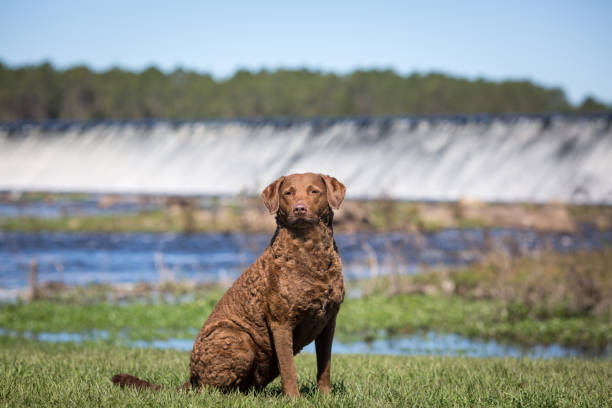
The Chesapeake Bay Retriever is a powerful, athletic, and well-balanced dog with a strong, muscular build.
The breed commonly features:
- Broad, rounded head
- Strong, medium-length muzzle
- Yellow or amber, medium-sized eyes
- Small, high-set folded ears
- Deep, broad chest
- Strong, muscular neck
- Powerful, well-developed limbs
- Medium-length tail that is thick at the base
Its dense double coat is short, harsh, slightly oily, and highly water-resistant, providing excellent insulation in cold water.
Common coat colours include:
- Brown
- Sedge
- Deadgrass
These natural shades help the breed blend into marshland environments while hunting.
The breed's rugged build and weatherproof coat reflect its heritage as a hardworking American water retriever.
Breed Type – Sporting Dog:
The Chesapeake Bay Retriever is an intelligent, confident, and hardworking sporting breed.
It is known for being:
- Loyal
- Intelligent
- Courageous
- Protective
- Energetic
- Independent
The breed forms strong bonds with its family and is generally affectionate with children when properly socialised. It is often more reserved with strangers than many other retriever breeds.
Training:
The Chesapeake Bay Retriever is highly intelligent but can have an independent nature.
Training should focus on:
- Early socialisation
- Positive reinforcement methods
- Basic obedience training
- Advanced retrieving exercises
- Recall training
- Consistent leadership
The breed excels in:
- Field trials
- Hunt tests
- Dock diving
- Obedience
- Tracking
- Search and rescue
Structured, reward-based training helps the breed become a reliable working dog and well-mannered companion.
Health & Care:
The Chesapeake Bay Retriever is generally healthy but may be prone to several health concerns, including:
- Hip dysplasia
-
Elbow dysplasia
- Degenerative myelopathy
- Gastric dilatation-volvulus (bloat)
- Exercise-induced collapse
- Progressive retinal atrophy
Routine veterinary care, responsible breeding, regular exercise, and maintaining a healthy weight help support long-term health.

Living Conditions:
The Chesapeake Bay Retriever thrives in homes where it has plenty of space and regular opportunities for exercise.
Ideal environments include:
- Houses with large secure yards
- Rural or suburban homes
- Active families
- Experienced dog owners
- Homes with access to water-based activities
The breed prefers living indoors with its family but requires significant daily physical activity and is not well suited to a sedentary lifestyle.
Exercise:
The Chesapeake Bay Retriever has high exercise requirements.
Recommended activities include:
- Long daily walks
- Swimming
- Retrieving games
- Hiking
- Field training
- Mental enrichment activities
Regular physical activity and mentally stimulating work are essential to maintain the breed's physical and mental well-being.
Grooming:
The weather-resistant double coat requires relatively low maintenance.
- Brushing once or twice per week
- Occasional bathing without over-washing to preserve natural coat oils
- Routine ear cleaning
- Nail trimming
- Regular dental care
The breed sheds moderately throughout the year, with heavier seasonal shedding.

Advantages:
- Loyal and devoted family companion
- Exceptional water retriever and hunting dog
- Intelligent and highly trainable
- Protective without being overly aggressive
- Hardy and adaptable in harsh weather
- Low grooming requirements
Disadvantages:
- Requires extensive daily exercise and mental stimulation
- Can be independent and stubborn during training
- May be reserved with strangers
- Not ideal for first-time dog owners
- Prone to joint disorders and bloat
- Can become destructive if bored or under-exercised