



Newfoundland

Breed History:
The Newfoundland originated on the island of Newfoundland, Canada, where it was developed as a powerful working dog for fishermen and coastal communities. Although its exact ancestry is uncertain, the breed is believed to have descended from native working dogs crossed with large European breeds brought by fishermen and explorers, including mastiff-type dogs. For centuries, Newfoundlands hauled fishing nets, pulled carts, carried heavy loads, and became renowned for their extraordinary lifesaving abilities in the water.
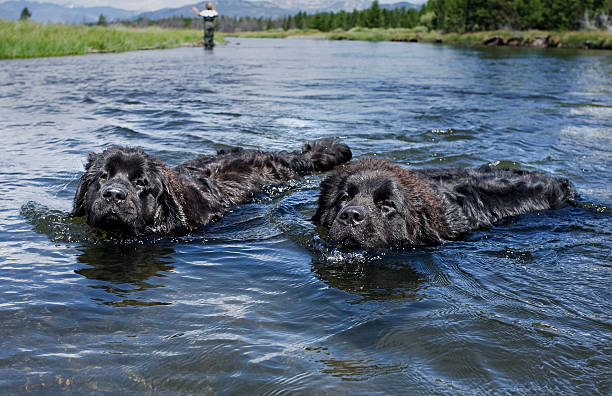
Their webbed feet, powerful swimming stroke, and thick water-resistant coat made them exceptional water rescue dogs. The breed gained international recognition during the 18th and 19th centuries, becoming popular among European nobility and famous figures such as Sir Edwin Landseer, whose paintings helped popularise the breed, and poet Lord Byron, who owned a beloved Newfoundland named Boatswain. Today, the Newfoundland is admired worldwide as a gentle family companion, water rescue dog, and versatile working breed.
Today, the Newfoundland is valued as a devoted family companion, exceptional water rescue dog, and gentle giant known for its strength, intelligence, and calm temperament.
If you want to learn about other giant dog breeds and how to care for them, check out our page "Biggest Dog Breeds: Giant Dog Breeds Temperament, and Care Guide".
If you want to learn more about water dogs used for rescue operations, then check out our article "Understanding Dog Breed Categories" covering all categories, including their origins, functions, temperament, and care.
|
Gender |
Height |
Weight |
|
Male |
71 cm |
60–70 kg |
|
Female |
66 cm |
45–55 kg |
Size – Giant
Life Expectancy: 8–10 years
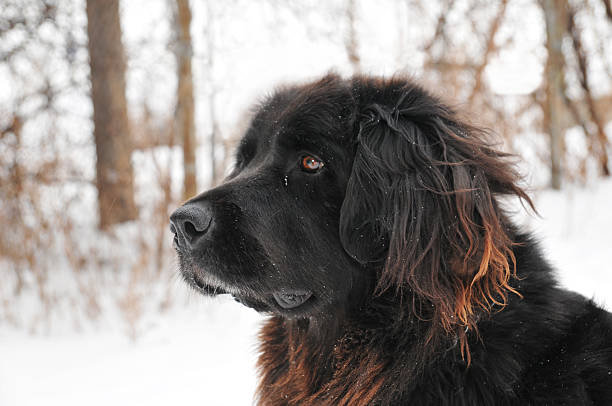
Breed Appearance:
The Newfoundland is a giant, muscular, and heavily built dog with a strong, balanced frame.
The breed commonly features:
- Broad, massive head
- Strong, square muzzle
- Dark brown oval-shaped eyes
- Small, triangular drop ears
- Deep, broad chest
- Thick, muscular neck
- Strong, well-developed limbs
- Long, bushy tail carried naturally
Its coat is thick, dense, water-resistant, and double-layered with a slightly oily texture.
Common coat colours include:
- Black
- Brown
- Grey
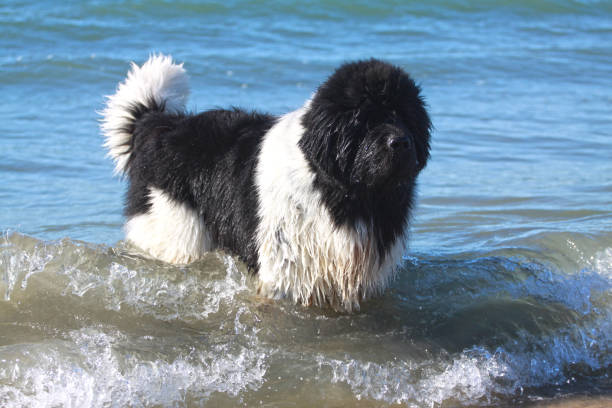
- Black and white
The breed's large, webbed feet and dense waterproof coat reflect its heritage as an exceptional water rescue dog.
Breed Type – Working Dog:
The Newfoundland is a gentle, intelligent, and dependable working breed.
It is known for being:
- Loyal and devoted
- Gentle
- Calm
- Intelligent
- Patient
- Affectionate with family
The breed forms strong bonds with its family and is widely recognised for its exceptional gentleness with children.
Training:
The Newfoundland is intelligent and eager to please.
Training should focus on:
- Early socialisation
- Positive reinforcement methods
- Basic obedience training
- Leash manners
- Controlled exposure to people and environments
- Consistent leadership
The breed excels in:
- Water rescue
- Draft work
- Therapy work
- Obedience
- Companion activities
Gentle, reward-based training helps develop a confident and well-mannered adult.
Health & Care:
The Newfoundland is prone to several health concerns, including:
- Hip dysplasia
- Elbow dysplasia
- Gastric dilatation-volvulus (bloat)
- Subaortic stenosis
- Cystinuria
- Dilated cardiomyopathy (DCM)
Routine veterinary care, responsible breeding, maintaining a healthy weight, and avoiding excessive exercise during puppyhood help support long-term health.
Living Conditions:
The Newfoundland thrives in spacious homes where it receives regular exercise and close family companionship.
Ideal environments include:
- Houses with large, secure yards
- Rural or suburban homes
- Families
- Experienced or committed first-time large-breed owners
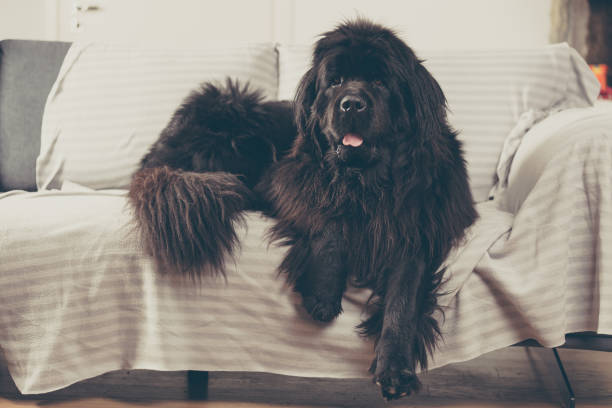
The breed prefers living indoors with its family and is best suited to cooler climates because of its thick double coat.
Exercise:
The Newfoundland has moderate exercise requirements.
Recommended activities include:
- Daily walks
- Swimming
- Hiking
- Cart pulling
- Interactive play
- Mental enrichment activities
Excessive exercise should be avoided during puppyhood to protect developing bones and joints.
Grooming:
The thick double coat requires high maintenance.
- Brushing three to four times per week
- Daily brushing during seasonal shedding
- Occasional bathing
- Routine ear cleaning and nail trimming
- Regular dental care
The breed sheds heavily throughout the year and drools considerably.
Advantages:
-
Exceptionally gentle, affectionate, and good with children
-
Natural swimmer and water rescue dog with heroic instincts
-
Intelligent and trainable with a calm demeanour
-
Makes a loyal, dependable family companion
-
Minimal barking and non-aggressive behaviour
-
Good with other pets when socialised early
Disadvantages:
-
Requires significant grooming due to its thick, shedding coat
-
Prone to size-related health issues like hip dysplasia and bloat
-
Shorter lifespan compared to smaller breeds
-
Needs ample space; not ideal for small homes or hot climates
-
Heavy drooler, especially after drinking or eating
-
Exercise must be managed to avoid joint stress in puppies