



White Shepherd

Breed History:
The White Shepherd originated from the same bloodlines as the German Shepherd Dog (GSD), with white-coated individuals appearing early in the breed’s history. While white was initially accepted in Germany, it was later disqualified by the German breed standard in the 1930s due to aesthetic and political reasons, not health or temperament. However, in North America, breeders continued to value and preserve the white-coated dogs for their intelligence, work ethic, and beauty.
Over time, enthusiasts developed the White Shepherd as a distinct breed, emphasising a more gentle temperament, slightly straighter backs, and, of course, the iconic white coat. The White Shepherd is recognised by the United Kennel Club (UKC) and other organisations, but it remains distinct from the White Swiss Shepherd, which has its own FCI recognition and development path.
Considering adopting a German Shepherd or any of its variants? Check out our page "How to look after a German Shepherd" detailing what to consider before adopting and our recommended products for a GSD and its variants.
If you want to learn about other herding breeds, check out our page "Different Herding Dog Breeds".
|
Gender |
Height |
Weight |
|
Male |
60-66 cm |
30-40 kg |
|
Female |
55-61 cm |
25-35 kg |
Size – Medium-Large
Life Expectancy: 12–14 years

Breed Appearance:
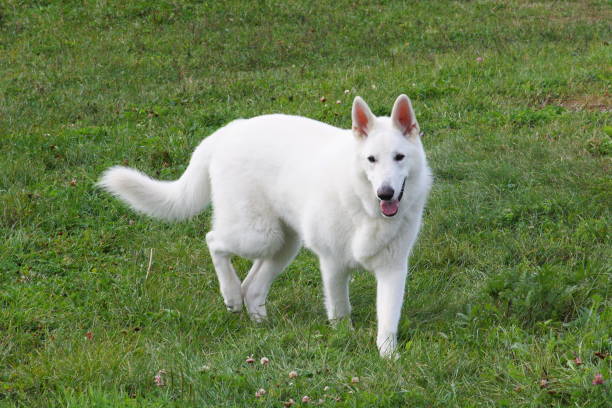
The White Shepherd is a strong, muscular, and well-balanced dog with an athletic, elegant build.
The breed commonly features:
- Broad, well-proportioned head
- Strong, moderately long muzzle
- Dark, almond-shaped eyes
- Large, erect ears
- Deep chest
- Thick, muscular neck
- Well-developed limbs
- Long, bushy tail carried naturally
Its medium-length double coat is dense, weather-resistant, and may be straight or slightly wavy.
Common coat colours include:
- White
The coat may range from pure white to cream white, with dark pigmentation on the nose, lips, and eye rims.
The breed's athletic frame and elegant white coat reflect its heritage as a versatile herding and working dog.
Breed Type – Herding Dog:
The White Shepherd is an intelligent, confident, and dependable herding breed.
It is known for being:
- Loyal
- Intelligent
- Gentle
- Confident
- Protective
- Eager to please
The breed forms strong bonds with its family and is generally affectionate with children and other pets when properly socialised. It may be reserved around unfamiliar people but is not naturally aggressive.

Training:
The White Shepherd is highly intelligent and eager to learn.
Training should focus on:
- Early socialisation
- Positive reinforcement methods
- Basic obedience training
- Recall training
- Leash manners
- Consistent leadership
The breed excels in:
- Herding
- Obedience
- Search and rescue
- Service work
- Therapy work
- Companion activities
Structured, reward-based training helps the breed reach its full working potential.
Health & Care:
The White Shepherd is generally healthy but may be prone to several health concerns, including:
- Hip dysplasia
- Elbow dysplasia
-
Degenerative myelopathy
- Gastric dilatation volvulus (bloat)
- Allergies
- Progressive retinal atrophy
Routine veterinary care, responsible breeding, regular exercise, and maintaining a healthy weight help support long-term health.
Living Conditions:
The White Shepherd thrives in active homes where it receives regular exercise, training, and close family companionship.
Ideal environments include:
- Houses with large, secure yards
- Rural or suburban homes
- Active families
- Experienced or committed first-time dog owners
- Working or service dog handlers
The breed prefers living indoors with its family and is not suited to prolonged isolation.
Exercise:
The White Shepherd has high exercise requirements.
Recommended activities include:
- Daily walks
- Running
- Hiking
- Obedience training
- Herding activities
- Mental enrichment activities
Regular physical activity and mental stimulation are essential to maintain the breed's physical and mental well-being.
Grooming:
The dense double coat requires moderate maintenance.
- Brushing two to three times per week
- Daily brushing during seasonal shedding
- Occasional bathing
- Routine ear cleaning and nail trimming
- Regular dental care
The breed sheds moderately throughout the year and heavily during seasonal coat changes.

Advantages:
- Highly intelligent and easy to train
- Loyal and devoted family companion
- Gentle and stable temperament
- Excellent working and service dog
- Beautiful weather-resistant white coat
- Protective without unnecessary aggression
Disadvantages:
- Requires extensive exercise and mental stimulation
- Heavy seasonal shedding
- Prone to hereditary joint and eye conditions
- Needs early socialisation and consistent training
- Can become destructive if bored or under-stimulated
- Can develop separation anxiety if left alone frequently