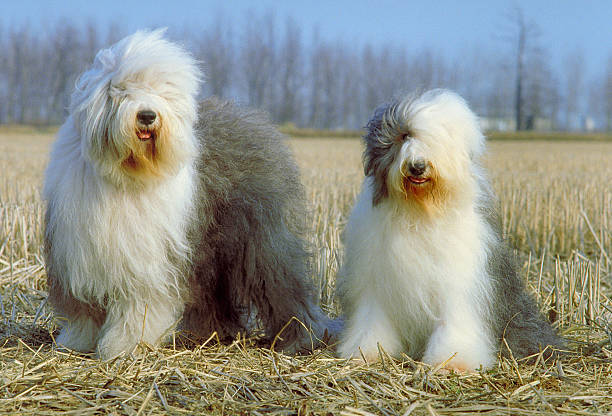



Old English Sheepdog

Breed History:
The Old English Sheepdog (OES) originated in England during the early 19th century as a drover’s dog, used to herd cattle and sheep to market. Contrary to its name, it does not directly descend from ancient British sheepdogs but was likely developed from crosses between Bearded Collies and various European herding dogs.
Farmers prized the breed for its stamina, weather-resistant coat, and driving instinct. Its bobbed tail, often docked to signify working status and avoid taxes, led to the nickname “bobtail.” Over time, the OES evolved from a hardworking farm dog to a beloved show and companion breed, known for its distinctive appearance and cheerful demeanour.
If you want to learn about other herding breeds, check out our page "Different Herding Dog Breeds".
|
Gender |
Height |
Weight |
|
Male |
61 cm |
32-45 kg |
|
Female |
56 cm |
27-36 kg |
Size – Large
Life Expectancy:10–12 years
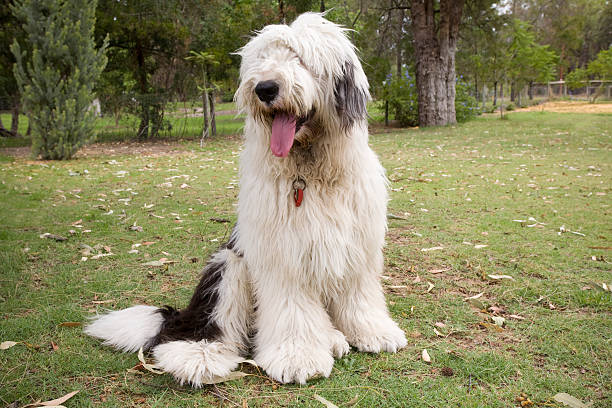
Breed Appearance:
The Old English Bulldog is a muscular, powerful, and well-balanced dog with a broad, athletic build.
The breed commonly features:
- Broad, square-shaped head
- Short, strong muzzle
- Round to oval-shaped eyes
- Small, rose or button ears
- Deep, broad chest
- Thick, muscular neck
- Strong, well-developed limbs
- Medium-length tail carried naturally
Its short, smooth coat is close-fitting and easy to maintain.
Common coat colours include:
- Brindle
- Fawn
- Red
- White
- Black
- Piebald
Various combinations of these colours are also common.
The breed's muscular build and broad head reflect its heritage as a powerful working and companion dog.
Breed Type – Working Dog:
The Old English Bulldog is a confident, intelligent, and dependable working breed.
It is known for being:
- Loyal
- Courageous
- Intelligent
- Confident
- Affectionate
- Protective
The breed forms strong bonds with its family and is generally good with children and other pets when properly socialised. It may be reserved around unfamiliar people but is typically stable and well-mannered.
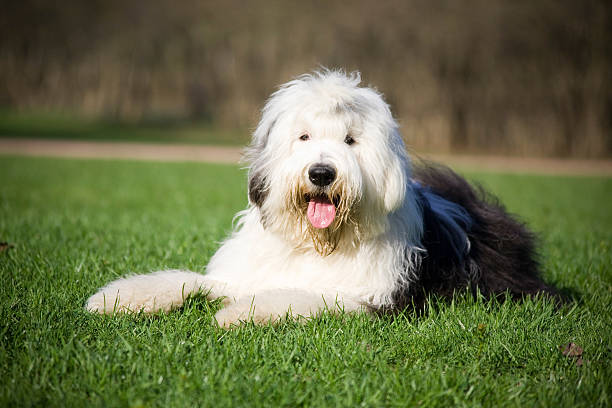
Training:
The Old English Bulldog is intelligent and eager to learn.
Training should focus on:
- Early socialisation
- Positive reinforcement methods
- Basic obedience training
- Leash manners
- Controlled exposure to people and environments
- Consistent leadership
The breed excels in:
- Obedience
- Protection work
- Weight pulling
- Therapy work
- Companion activities
- Canine fitness sports
Structured, reward-based training helps the breed become a confident and well-mannered companion.
Health & Care:
The Old English Bulldog is generally healthier than the modern English Bulldog but may be prone to several health concerns, including:
- Hip dysplasia
- Elbow dysplasia
- Gastric dilatation volvulus (bloat)
- Cherry eye
- Entropion
- Allergies
Routine veterinary care, responsible breeding, regular exercise, and maintaining a healthy weight help support long-term health.
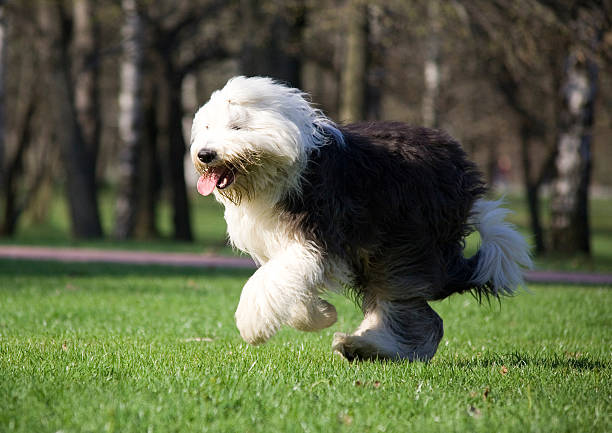
Living Conditions:
The Old English Bulldog adapts well to a variety of living environments provided it receives regular exercise and close family companionship.
Ideal environments include:
- Apartments
- Houses with secure yards
- Urban or suburban homes
- Families
- Experienced or committed first-time dog owners
The breed prefers living indoors with its family and is not suited to prolonged isolation.
Exercise:
The Old English Bulldog has moderate exercise requirements.
Recommended activities include:
- Daily walks
- Hiking
- Obedience training
- Interactive play
- Strength-building activities
- Mental enrichment activities
Regular physical activity and mental stimulation are essential to maintain the breed's physical and mental well-being.
Grooming:
The short coat requires low maintenance.
- Brushing once per week
- Occasional bathing
- Routine ear cleaning and nail trimming
- Cleaning facial wrinkles as needed
- Regular dental care
The breed sheds lightly to moderately throughout the year.