



Himalayan Sheepdog

Breed History:
The Himalayan Sheepdog, a robust and enduring breed, has origins rooted in the high mountains of the Himalayas. Some believe the breed developed naturally from indigenous mountain dogs, while others suggest it was refined by local shepherds over centuries. Known for their incredible stamina, thick coats, and alert demeanour, Himalayan Sheepdogs have long been valued as both working dogs and loyal companions. Admired for their remarkable resilience and adaptability, they quickly became cherished partners in rugged, remote communities.
Considering adopting a giant breed? Check out our page "Large & Giant Dog Breeds for Indian Homes: Care, Diet & Essential Tips" detailing what to consider before adopting and our recommended products for giant dog breeds.
If you want to learn more about India's native breeds, then check out our blog "India’s Indie Dogs: Native Dog Breeds of India".
| Gender | Height | Weight |
|---|---|---|
| Male | 66 to 76 cm | 40 to 55 kg |
| Female | 61 to 71 cm | 35 to 45 kg |
Size: Large
Life Expectancy: 10 to 12 years

Breed Appearance:
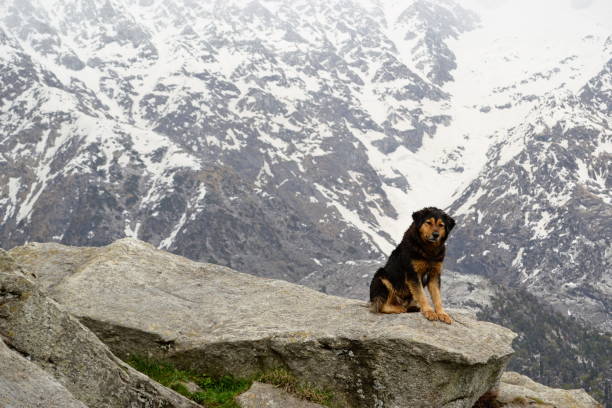
The Himalayan Sheepdog is a large, muscular, and well-balanced dog with a powerful, rugged build.
The breed commonly features:
- Broad, well-proportioned head
- Strong, moderately long muzzle
- Dark, almond-shaped eyes
- Medium-sized, pendant ears
- Deep, broad chest
- Thick, muscular neck
- Strong, well-developed limbs
- Long, bushy tail carried with a gentle curve
Its dense double coat is long, weather-resistant, and provides excellent insulation against harsh Himalayan climates.
Common coat colours include:
- Black and tan
- Black
- Brown
- Golden
- Cream
- Grey
White markings may also appear on the chest and feet.
The breed's powerful frame and thick coat reflect its heritage as a resilient mountain livestock guardian.
Breed Type – Livestock Guardian Dog:
The Himalayan Sheepdog is an intelligent, calm, and dependable livestock guardian breed.
It is known for being:
- Loyal
- Courageous
- Protective
- Calm
- Intelligent
- Independent
The breed forms strong bonds with its family and is naturally protective of its home, livestock, and territory. It may be reserved or wary around unfamiliar people unless properly socialised.

Training:
The Himalayan Sheepdog is intelligent but highly independent.
Training should focus on:
- Early socialisation
- Positive reinforcement methods
- Basic obedience training
- Leash manners
- Controlled exposure to people and environments
- Patient, consistent leadership
The breed excels in:
- Livestock guarding
- Property guarding
- Farm work
- Companion activities
- Search and rescue
- Obedience
Structured, reward-based training helps the breed become a confident and well-mannered companion while respecting its independent nature.
Health & Care:
The Himalayan Sheepdog is generally a hardy and healthy breed but may be prone to several health concerns, including:
- Hip dysplasia
- Elbow dysplasia
- Obesity if under-exercised
- Gastric dilatation volvulus (bloat)
- Arthritis in later life
- Entropion
Routine veterinary care, responsible breeding, regular exercise, and maintaining a healthy weight help support long-term health.
Living Conditions:
The Himalayan Sheepdog thrives in spacious environments where it receives regular exercise, purposeful work, and close family companionship.
Ideal environments include:
- Houses with large, secure yards
- Rural or mountainous homes
- Farms or livestock properties
- Active families
- Experienced dog owners
The breed prefers living indoors with access to secure outdoor space and is not well suited to apartment living or prolonged isolation.
Exercise:
The Himalayan Sheepdog has moderate exercise requirements.
Recommended activities include:
- Daily walks
- Hiking
- Livestock guarding
- Interactive play
- Obedience training
- Mental enrichment activities
Regular physical activity and mental stimulation are essential to maintain the breed's physical and mental well-being.
Grooming:
The dense double coat requires moderate to high maintenance.
- Brushing two to three times per week
- Daily brushing during seasonal shedding
- Occasional bathing
- Routine ear cleaning and nail trimming
- Regular dental care
The breed sheds moderately throughout the year and heavily during seasonal coat changes.

Advantages:
- Loyal and devoted family companion
- Excellent livestock and property guardian
- Courageous and dependable temperament
- Hardy and well adapted to cold climates
- Intelligent and highly protective
- Generally healthy and resilient
Disadvantages:
- Strong protective instincts require early socialisation
- Needs plenty of space and regular exercise
- Not well suited to apartment living
- Heavy seasonal shedding
- Can be independent and stubborn during training
- Prone to hereditary joint conditions and bloat