



French Mastiff (Dogue de Bordeaux)

Breed History:
The French Mastiff, known as the Dogue de Bordeaux, is one of the most ancient dog breeds in France, with roots dating back to at least the 14th century. Bred in the Bordeaux region, this powerful Molosser-type dog was traditionally used for guarding estates, pulling carts, and even hunting large game such as boars. Over time, it gained a reputation as a fearless guardian, loyal to its master and protective of its territory.
The breed’s popularity waned and resurged several times, especially after near-extinction during World War II. It gained international fame after appearing in the 1989 film Turner & Hooch, where a Dogue de Bordeaux starred alongside Tom Hanks, introducing the breed to global audiences.
If you want to learn about other giant dog breeds and how to care for them, check out our page "Biggest Dog Breeds: Giant Dog Breeds Temperament, and Care Guide".
If you want to learn about other mastiff breeds, check out our page "Different Mastiff Dog Breeds".
|
Gender |
Height |
Weight |
|
Male |
60–68 cm |
54–65 kg |
|
Female |
58–66 cm |
45–54 kg |
Size – Large
Life Expectancy: 5–8 years

Breed Appearance:
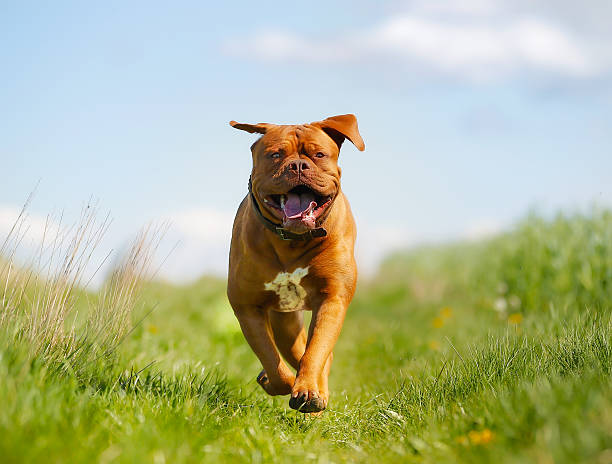
The French Mastiff is a massive, muscular, and powerfully built dog with a broad, imposing head.
The breed commonly features:
- Large, wrinkled head
- Short, broad muzzle
- Oval-shaped dark eyes
- Small drop ears
- Deep chest and heavily muscled body
- Thick, powerful neck
- Long, tapering tail carried low at rest
Its coat is short, fine, soft, and close-fitting.
Common coat colours include:
- Fawn
The coat may range from light fawn to rich mahogany. Most dogs have a black or brown mask, although maskless individuals are also accepted under some breed standards.
The breed's broad head, loose skin, and powerful physique reflect its long history as a guardian and working dog.
Breed Type – Guardian/Family Companion:
The French Mastiff is a calm, courageous, and deeply loyal working breed.
It is known for being:
- Loyal and devoted
- Gentle with family
- Courageous and protective
- Calm and confident
- Patient
- Affectionate
The breed forms exceptionally strong bonds with its family and is naturally protective without being unnecessarily aggressive.

Training:
The French Mastiff is intelligent but can be independent and stubborn.
Training should focus on:
- Early socialisation
- Positive reinforcement methods
- Basic obedience training
- Leash manners
- Controlled exposure to people and environments
- Consistent leadership
The breed excels in:
- Property guarding
- Obedience
- Therapy work
- Companion activities
Gentle, consistent training is essential, particularly during puppyhood, to develop a well-mannered adult dog.
Health & Care:
Like many large breeds, the Dogue de Bordeaux is prone to certain health conditions, most notably:
-
Heart problems, such as aortic stenosis
-
Skin infections in facial wrinkles
-
Shortened lifespan, often under 10 years
Due to its large size, joint and cardiac health should be monitored closely with regular vet visits. Maintaining a healthy weight and eating in smaller, frequent meals helps reduce the risk of bloat. Owners should also clean skin folds regularly to prevent irritation and infection.
Living Conditions:
The French Mastiff is best suited to spacious homes.
Ideal environments include:
- Houses with secure yards
- Suburban homes
- Rural properties
- Families
- Experienced large-breed owners
Apartment living may be possible if the dog receives sufficient daily exercise, but larger living spaces are generally preferable.
The breed thrives when living indoors with its family and should not be isolated for extended periods.
Exercise:
The French Mastiff has moderate exercise requirements.
Recommended activities include:
- Daily walks
- Gentle hikes
- Interactive play
- Basic obedience training
- Mental enrichment activities
Care should be taken to avoid excessive exercise during puppyhood and strenuous activity in hot weather.
Grooming:
The short coat requires minimal maintenance.
- Brushing once per week
- Occasional bathing
- Regular cleaning of facial wrinkles
- Routine ear cleaning and nail trimming
- Regular dental care
The breed sheds moderately and is known to drool considerably.

Advantages:
- Extremely loyal and affectionate with family
- Excellent natural guardian
- Calm and confident temperament
- Good with children when properly socialised
- Low-maintenance coat
- Courageous and dependable companion
Disadvantages:
- Prone to several hereditary health conditions
- Heavy drooling is common
- Shorter lifespan than many other breeds
- Large size requires ample space and higher maintenance costs
- Requires early socialisation and consistent training
- Sensitive to heat due to its brachycephalic features
- Not ideal for owners unfamiliar with giant breeds