



Blue Picardy Spaniel

Breed History:
The Blue Picardy Spaniel (Épagneul Bleu de Picardie) originated in the Picardy region of northern France in the early 20th century. It evolved from French Picardy Spaniels with English Setters brought by British hunters to the area after restrictions on hunting in the UK.
Bred as a versatile hunting dog, the Blue Picardy quickly gained a reputation for its excellent scenting ability, adaptability to wet terrain, and calm temperament. Although still relatively rare outside France, it is highly valued among hunters for its ability to retrieve, point, and track game birds in marshy or wooded environments.
If you want to learn about other spaniel breeds, check out our page "Different Spaniel Dog Breeds".
|
Gender |
Height |
Weight |
|
Male |
56-61 cm |
20-25 kg |
|
Female |
54-59 cm |
18-23 kg |
Size: Medium
Life Expectancy: 12–14 years
Breed Appearance:
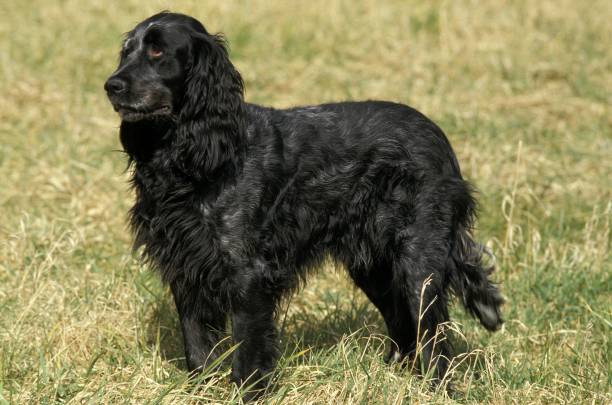
The Blue Picardy Spaniel is a strong, athletic, and well-balanced dog with an elegant sporting build.
The breed commonly features:
- Broad, slightly rounded head
- Long, well-proportioned muzzle
- Dark amber eyes
- Long, feathered ears
- Deep chest
- Strong, muscular neck
- Well-developed limbs
- Moderately long, feathered tail
Its dense, slightly wavy coat is weather-resistant and well suited for working in wet and cold conditions.
Common coat colours include:
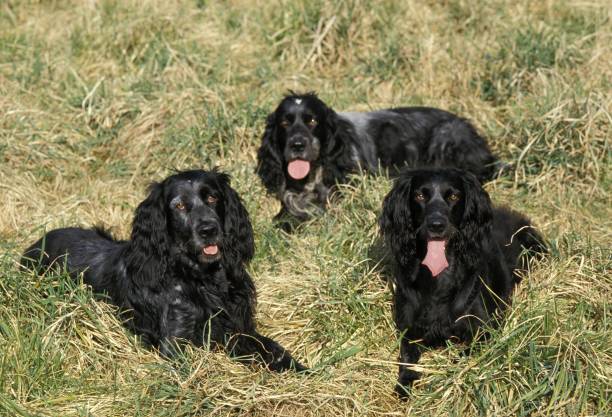
- Blue-grey with black patches
- Blue-grey with black speckling
- Grey with black markings
- Small tan markings may appear above the eyes, on the cheeks, or legs
The breed's distinctive blue-grey coat and athletic frame reflect its heritage as a skilled hunting and retrieving dog.
Breed Type – Sporting Dog:
The Blue Picardy Spaniel is an intelligent, gentle, and hardworking sporting breed.
It is known for being:
- Loyal
- Intelligent
- Gentle
- Calm
- Affectionate
- Eager to please
The breed forms strong bonds with its family and generally gets along well with children, strangers, and other pets when properly socialised.
Training:
The Blue Picardy Spaniel is highly intelligent and eager to learn.
Training should focus on:
- Early socialisation
- Positive reinforcement methods
- Basic obedience training
- Recall training
- Leash manners
- Consistent leadership
The breed excels in:
- Hunting
- Retrieving
- Tracking
- Obedience
- Agility
- Companion activities
Structured, reward-based training helps the breed become a confident and well-mannered companion.
Health & Care:
The Blue Picardy Spaniel is generally healthy but may be prone to several health concerns, including:
- Hip dysplasia
- Hypothyroidism
- Gastric dilatation volvulus (bloat)
- Ear infections
- Progressive retinal atrophy
- Cataracts
Routine veterinary care, responsible breeding, regular exercise, and maintaining a healthy weight help support long-term health.

Living Conditions:
The Blue Picardy Spaniel thrives in active homes where it receives regular exercise, training, and close family companionship.
Ideal environments include:
- Houses with secure yards
- Rural or suburban homes
- Active families
- Hunters and outdoor enthusiasts
- Experienced or committed first-time dog owners
The breed prefers living indoors with its family and is not suited to prolonged isolation.
Exercise:
The Blue Picardy Spaniel has high exercise requirements.
Recommended activities include:
- Daily walks
- Hiking
- Swimming
- Retrieving games
- Obedience training
- Mental enrichment activities
Regular physical activity and mental stimulation are essential to maintain the breed's physical and mental well-being.
Grooming:
The dense, feathered coat requires moderate maintenance.
- Brushing two to three times per week
- More frequent brushing during seasonal shedding
- Occasional bathing
- Routine ear cleaning and nail trimming
- Regular dental care
The breed sheds moderately throughout the year and benefits from consistent coat maintenance.
Advantages:
-
Versatile and skilled hunting companion
-
Loyal, affectionate, and calm at home
-
Highly trainable and responsive
-
Beautiful, unique coat and elegant appearance
-
Friendly with children and other pets
-
Low aggression and typically quiet indoors
Disadvantages:
-
Needs regular exercise and mental stimulation
-
Can become bored or destructive if underworked
-
Requires attentive grooming, especially ears
-
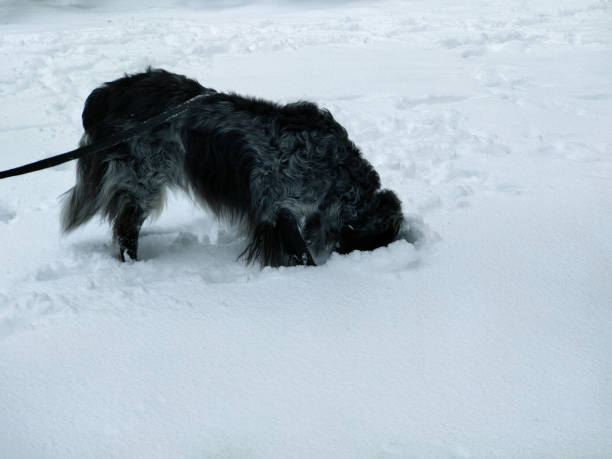
May follow scents and wander off if not trained
-
Not well-suited to very sedentary or urban lifestyles
-
Still rare outside France, making access to breeders limited