



Afghan Hound

Breed History:
The Afghan Hound is named for its geographic origin, hailing from the mountains of Afghanistan, where its ancestors date back thousands of years. This elegant breed was developed by nomadic tribes for hunting large game like deer and leopards, relying on its speed, agility, and keen eyesight.
Bred to navigate rugged terrain, its thick, flowing coat protected it from the harsh climate, while its independence made it a skilled and solitary hunter. When the breed reached the West in the early 20th century, it captivated dog enthusiasts with its exotic appearance and aloof charm.
Despite its regal bearing, the Afghan Hound is known for being affectionate and loyal to its family. Today, it is celebrated more in show rings and homes than in hunting fields, admired as much for its beauty as for its unique personality and grace.
If you want to learn about other sighthound breeds, check out our page "Different Sighthound Dog Breeds".
|
Gender |
Height |
Weight |
|
Male |
68-73 cm |
26-34 kg |
|
Female |
65-70 cm |
26-34 kg |
Size – Medium-Large
Life Expectancy: 14 years

Breed Appearance:
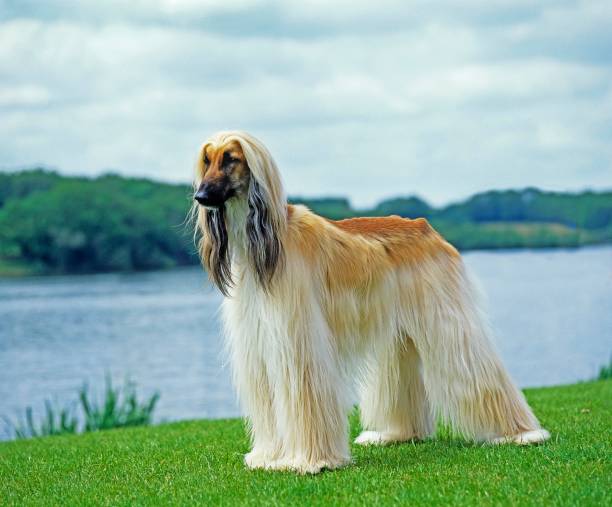
The Afghan Hound is a tall, elegant, and athletic dog with a refined yet powerful build.
The breed commonly features:
- Long, narrow head
- Strong, elongated muzzle
- Dark almond-shaped eyes
- Long, low-set ears covered with silky hair
- Deep chest
- Long, graceful neck
- Straight, muscular limbs
- High-set tail with a distinctive ring at the tip
Its coat is long, silky, fine, and flowing, providing protection against harsh weather.
Common coat colours include:
- Black
- Cream
- Red
- Gold
- Blue
- Brindle
- White
The breed may appear in many colour combinations and markings.
The breed's luxurious coat and elegant movement reflect its heritage as a swift mountain hunter.
Breed Type - Family/guard:
The Afghan Hound is an independent, intelligent, and athletic hunting breed.
It is known for being:
- Loyal and devoted
- Independent
- Dignified
- Gentle
- Intelligent
- Agile
The breed forms close bonds with its family but often maintains a reserved and somewhat aloof personality.
Training:
The Afghan Hound is intelligent but highly independent.
Training should focus on:
- Early socialisation
- Positive reinforcement methods
- Basic obedience training
- Reliable recall in secure areas
- Controlled exposure to people and environments
- Consistent, patient leadership
The breed excels in:
- Lure coursing
- Sighthound racing
- Agility
- Companion activities
- Conformation showing
Short, engaging training sessions produce the best results, as the breed may become bored with repetitive exercises.
Health & Care:
The Afghan Hound is generally a healthy breed but may be prone to several health concerns, including:
- Hip dysplasia
- Hypothyroidism
- Gastric dilatation-volvulus (bloat)
- Progressive retinal atrophy (PRA)
- Cataracts
- Sensitivity to anaesthesia
Routine veterinary care, responsible breeding, regular exercise, and maintaining a healthy weight help support long-term health.

Living Condition:
The Afghan Hound adapts well to indoor living when provided with regular exercise and opportunities to run safely.
Ideal environments include:
- Houses with secure yards
- Active families
- Experienced dog owners
- Homes with access to secure open spaces
The breed prefers living indoors with its family and benefits from a calm home environment.
Exercise:
The Afghan Hound has moderate to high exercise requirements.
Recommended activities include:
- Daily walks
- Running in securely fenced areas
- Lure coursing
- Hiking
- Interactive play
- Mental enrichment activities
Because of its strong prey drive, the breed should only be allowed off leash in securely enclosed areas.
Grooming:
The long coat requires extensive maintenance.
- Brushing several times per week
- Regular bathing
- Careful removal of tangles and mats
- Routine ear cleaning and nail trimming
- Regular dental care
The breed requires consistent grooming to keep its coat healthy and free from mats.

Advantages:
- Elegant and distinctive appearance
- Loyal and affectionate with family
- Athletic and agile
- Generally quiet indoors
- Excellent endurance
- Adaptable to active households
Disadvantages:
- Requires extensive grooming
- Independent and can be difficult to train
- Strong prey drive
- Needs secure fencing due to its speed
- Reserved with strangers
- Requires regular exercise and mental stimulation
- Not recommended for first-time dog owners