



UTI and FLUTD in Cats
Urinary tract infections and FLUTD are among the most common - and most preventable - health conditions in cats in India. This guide covers causes, warning signs, the role of diet and hydration in treatment and prevention, and exactly how to feed your cat to protect their urinary health for life.
If your cat has started making frequent trips to the litter box, straining without producing urine, crying out during urination, or leaving small spots of blood-tinged urine around the house - you are already seeing one of the most common feline health emergencies in India. Urinary tract problems in cats are painful, escalate quickly, and in male cats in particular can become life-threatening within 24-48 hours if a urinary blockage develops. The good news is that diet is both the most common driver and the most effective long-term solution. The right food, fed consistently, dramatically reduces the likelihood of recurrence after treatment - and in many cats, prevents the first episode from occurring at all.
This guide covers everything: what causes feline urinary problems, how to recognise the signs before they become a crisis, what veterinary treatment involves, and how to build a dietary routine that protects your cat's urinary tract health for life.
1. Understanding Feline Urinary Tract Disease: UTI, FLUTD, and Blockages

The term "UTI" is commonly used by cat owners, but veterinarians more often use FLUTD - Feline Lower Urinary Tract Disease - as the broader umbrella for a range of conditions affecting the bladder and urethra. Understanding the distinctions matters because different conditions have different causes and different dietary responses.
A bacterial infection of the bladder or urethra, more common in older cats (particularly females over 10 years), cats with diabetes, or cats with compromised immune function. Bacteria ascend the urethra and colonise the bladder lining, causing inflammation, frequent urination, and pain. True bacterial UTIs are less common in young adult cats than most owners assume - younger cats presenting with urinary symptoms more often have idiopathic cystitis rather than bacterial infection. Diagnosis requires a urine culture, and treatment involves antibiotics alongside dietary management.
Mineral crystals form in concentrated urine and accumulate into gritty sediment or larger stones within the bladder. The two most common types in cats are struvite (magnesium ammonium phosphate, forming in alkaline urine) and calcium oxalate (forming in acidic urine). Struvite crystals are almost entirely diet and hydration driven - they form when urine becomes too concentrated and too alkaline, which is the direct consequence of a dry kibble diet. Calcium oxalate crystals are more common in older cats and have a stronger genetic component. Both types cause pain, inflammation, and - critically in male cats - can obstruct the narrow urethra completely, creating a life-threatening emergency.
The most common cause of urinary symptoms in cats under 10 years of age, and the most misunderstood. FIC is bladder inflammation with no identifiable bacterial or crystal cause - it is driven by stress, environmental factors, and the interaction between psychological state and bladder wall sensitivity. Indoor, sedentary, overweight cats in high-stress or under-stimulating environments are at greatest risk. Wet food diets that dilute urine and reduce bladder wall irritation, alongside environmental enrichment that reduces stress, are the most effective long-term management tools. Stress-related FIC is the condition most directly responsive to dietary change.
The most serious urinary condition in cats and a genuine veterinary emergency. Male cats are vastly more susceptible because their urethra is significantly narrower than females. Crystal sediment, mucous plugs, or small stones lodge in the urethra and prevent urination entirely. A completely blocked cat cannot urinate at all - they will strain repeatedly at the litter box producing nothing, become increasingly distressed, and develop life-threatening toxin accumulation and kidney failure within 24-48 hours. A cat that is straining with no urine output must be seen by a veterinarian immediately - this is not a "wait and see" situation. Dietary management that prevents crystal formation is the most effective long-term protection against recurrence.
2. What Causes Feline Urinary Problems? The Root Drivers
Understanding what actually causes urinary tract disease in cats is essential for prevention - because in the majority of cases, the causes are dietary and environmental, not genetic, and therefore directly addressable.
| Root Cause | How It Drives Urinary Disease | What to Do About It |
|---|---|---|
| Chronic dehydration from dry kibble | Dry kibble at 8-10% moisture provides almost no dietary water. Cats evolved from desert-adapted ancestors with a low thirst drive and rely on food moisture for the majority of their hydration. A cat on dry kibble produces chronically concentrated, dark, mineral-rich urine - the perfect environment for crystal formation, bacterial colonisation, and bladder wall irritation. This single factor is the most common preventable driver of feline urinary disease in India. | Switch to high-moisture wet food (75-80%) as the primary diet. Add bone broth daily as a urinary-protective topper. |
| High dietary mineral load (especially magnesium and phosphorus) | Low-quality cat foods with high fish meal, plant protein, or unnamed by-product content often carry elevated magnesium and phosphorus levels that increase the mineral load in urine - directly raising the risk of struvite crystal formation in cats predisposed to alkaline urine. | Choose foods where the first ingredient is a named whole meat (chicken, trout, mackerel). Learn to read cat food labels correctly to identify mineral loading from cheap ingredients. |
| Obesity and sedentary lifestyle | Overweight, sedentary indoor cats are significantly more susceptible to FIC - the stress-and-inflammation driven form of cystitis. Obesity itself increases inflammatory burden on the bladder lining. Low activity means less frequent urination, which allows urine to become more concentrated and more irritating in the bladder. Read the full guide to managing obesity in cats through diet for the dietary approach. | High-protein, low-carbohydrate wet food reduces obesity drivers. Daily active play reduces stress and increases urination frequency. |
| Environmental and psychological stress | Stress is the primary trigger for FIC episodes in susceptible cats. Multi-cat households, litter box problems, household changes, owner absence, and insufficient environmental enrichment all directly trigger bladder inflammation through the stress-cortisol-inflammatory pathway. Many cats experience recurrent FIC episodes that are entirely stress-driven without any crystal or bacterial component. | Adequate litter boxes (one per cat plus one), consistent feeding routine, environmental enrichment, and daily play sessions. Feline Vitality's Ashwagandha supports the stress-cortisol response. |
| Insufficient litter box provision | Cats who avoid the litter box due to insufficient number, inadequate cleanliness, or difficult access hold urine for longer than is healthy. Prolonged urine retention increases concentration and contact time between irritating minerals and the bladder wall. | One litter box per cat plus one additional. Clean at least once daily. Position in quiet, accessible locations away from food and water. |
| Breed predisposition | Several cat breeds carry elevated urinary tract vulnerability through genetics, body conformation, or metabolic tendencies. Persian, Himalayan, British Shorthair, Burmese, and Maine Coon cats are among the breeds where dietary urinary protection is particularly important from early adulthood. See Section 6 for the full breed guide. | Breed-appropriate dietary management from early adulthood. High-moisture diet and daily bone broth as permanent preventive habits. |
3. Recognising the Signs: When Your Cat Is Telling You Something Is Wrong
Cats are instinctively private about pain and discomfort, which means urinary problems are often missed until they are well established. Knowing what to watch for - and understanding which signs require immediate veterinary attention versus monitoring - can save your cat's life.
Warning Signs of Feline Urinary Tract Disease
| Sign | What It Looks Like | Urgency |
|---|---|---|
| Straining in litter box | Cat visits litter box repeatedly, squats for extended periods, and produces little or no urine. May vocalise during attempts. | URGENT in male cats - could indicate blockage. See vet same day. |
| Blood in urine (haematuria) | Urine appears pink, red, or dark. Spots of blood-coloured liquid outside the litter box. | Veterinary assessment within 24 hours. Indicates significant bladder wall inflammation or injury. |
| Urinating outside the litter box | A previously litter-trained cat begins urinating on cool surfaces (tiles, bathtubs, sinks) - cats associate the coolness with urinary relief. Small frequent spots in unusual places. | Veterinary assessment within 48 hours. This is a urinary signal, not a behavioural one. |
| Excessive licking of genitals | Cat licks the genital area persistently and frequently, often immediately after litter box visits. | Monitor closely. Common with cystitis. Veterinary assessment if persists beyond 24 hours. |
| Crying or vocalising during urination | Audible crying, howling, or growling while attempting to urinate - indicates significant pain. | URGENT. Same-day veterinary assessment required. |
| Lethargy and loss of appetite | Cat becomes unusually quiet, stops eating, or hides - particularly after previous litter box straining. | URGENT if combined with straining - could indicate complete blockage. Immediate veterinary care. |
| Passing only small drops | Cat produces only tiny amounts of urine (drops) despite repeated attempts and prolonged squatting. | URGENT in male cats. Same-day emergency assessment. |
4. Why Diet Is the Most Important Factor in Feline Urinary Health
No single factor has more influence over a cat's urinary tract health than their diet - and specifically the moisture content and mineral load of what they eat every day. For a comprehensive understanding of what cats genuinely need nutritionally, the Complete Guide to Cat Nutrition for Indian Pet Parents is essential reading before making any dietary decisions for a cat with urinary concerns.
How Wet Food vs Dry Kibble Affects Urinary Health
| Comparison Factor | Dry Kibble | High-Moisture Wet Food |
|---|---|---|
| Moisture content | 8-10% | 75-80% |
| Daily urine volume | Low - concentrated, mineral-rich urine | High - dilute, mineral-flushing urine |
| Urine specific gravity | High (concentrated) - crystal formation risk elevated | Lower (dilute) - crystal formation risk significantly reduced |
| Voluntary water intake required | High - cats rarely drink enough to compensate | Low - dietary moisture does the work |
| Crystal formation risk (struvite) | High | Significantly reduced |
| FIC recurrence risk | High - concentrated urine irritates bladder wall | Reduced - dilute urine reduces bladder wall irritation |
| Obesity risk (UTI complicating factor) | High (high carbohydrate, calorie dense) | Low (low carbohydrate, high protein, satiety appropriate) |
| Urinary health suitability | Poor - the single most modifiable urinary risk factor | Excellent - the most impactful dietary intervention available |
The 4 Dietary Pillars of Feline Urinary Health
| Pillar | Why It Matters for Urinary Health | How to Achieve It |
|---|---|---|
| High dietary moisture (75-80%) | Increases urine volume and frequency, dilutes crystal-forming minerals, and reduces urine contact time with the bladder wall. The single most impactful dietary intervention for urinary health in cats. | Wet food as the exclusive primary diet. Bone broth as a daily topper. Fresh water always available. |
| High animal protein, low plant protein | Animal protein produces mildly acidic urine, which inhibits struvite crystal formation. Plant protein and grain-heavy foods push urine toward alkalinity, promoting struvite. High protein also supports lean muscle mass and healthy weight - both protective for urinary health. | Named whole meat first in the ingredient list. Avoid foods with high plant protein, unnamed by-products, or grain as primary ingredients. Learn to read cat food labels correctly. |
| Taurine from animal sources | Taurine supports the health of the bladder muscle (detrusor muscle) and overall urinary tract tissue integrity. Taurine-deficient cats can develop weakened bladder function over time. For the full explanation of why taurine matters so much for cats, see Why Taurine Is One of the Most Important Ingredients for Cat Meals. | Marine proteins (mackerel, trout, anchovies), chicken liver, and whole muscle meat are the richest natural sources of taurine. |
| Low carbohydrate load | High dietary carbohydrates drive obesity, which is an independent risk factor for urinary disease. The inflammatory consequences of obesity directly worsen FIC susceptibility. A low-carbohydrate, high-protein wet food diet addresses obesity and urinary health simultaneously. | Grain-free wet food. Avoid foods with rice, corn, wheat, potato, or unnamed starch fillers as primary ingredients. |
5. The Right Goofy Tails Products for Cat Urinary Health

Every Goofy Tails cat meal is made with real whole-meat protein, high natural moisture, and no artificial preservatives or fillers. For cats with urinary health concerns - whether recovering from a UTI, managing recurrent crystals, or living with FIC - the combination of high moisture content, named animal protein, and zero grain fillers directly addresses every dietary risk factor. If your cat's current diet is showing signs of inadequacy, the Signs Your Cat's Diet May Need Improvement guide is an excellent diagnostic starting point.
Step 1: High-Moisture Wet Food - The Foundation of Urinary Protection


"As a Vet I recommend clean, honest and wholesome ingredients and an active lifestyle. Therefore, I trust and recommend Goofy Tails."Dr. Madhurita, President, Myvets Charitable Trust & Research Centre
Step 2: Daily Bone Broth - Passive Urinary-Protective Hydration
Bone broth is the single most practical daily tool for increasing a cat's fluid intake without relying on voluntary drinking. Poured warm over any wet food meal, it adds 90-95 ml of passive hydration per serving - directly increasing urine volume and diluting the mineral concentration that drives crystal formation and bladder irritation. For cats recovering from a UTI, managing recurrent crystals, or living with FIC, making bone broth a non-negotiable daily habit rather than an occasional addition is one of the most meaningful long-term protective measures an owner can take.


💧 The Daily Broth Protocol for Urinary Health
Pour one Goofy Tails Chicken or Seafood Bone Broth (100 ml) warmed to just above room temperature over your cat's wet food meal, once or twice daily. For cats with active urinary symptoms or recovering from a UTI or blockage, twice daily is strongly recommended to maximise urine dilution. Match broth to meal: chicken broth with Chicken and Mackerel, seafood broth with Himalayan Trout and Anchovies. Make this a permanent, non-negotiable daily habit rather than a temporary measure - the cumulative hydration benefit over months and years is what provides lasting urinary protection.
Shop Cat Bone Broth →Step 3: Feline Vitality - Targeted Urinary, Immune, and Stress Support
For cats with recurrent urinary problems - particularly those with stress-driven FIC, inflammatory cystitis, or compromised immunity following infection - targeted supplementation provides a level of support that diet alone cannot fully achieve. Feline Vitality is formulated to address the anti-inflammatory, immune, gut-integrity, and stress-modulation needs that matter most for cats managing ongoing urinary health.

Why Feline Vitality matters for cats with urinary health concerns:
- Turmeric Curcumin - a potent natural anti-inflammatory that directly reduces the bladder wall inflammation at the heart of FIC episodes. Curcuminoids modulate the pro-inflammatory cytokines that the stress-cortisol pathway releases in susceptible cats, reducing both the frequency and severity of inflammatory cystitis flares. Also supports kidney and liver function - both directly relevant to long-term urinary health and recovery from UTI or blockage episodes.
- Boswellia Extract - reduces immune-mediated systemic and local inflammation. For cats with chronic FIC where the bladder lining has become persistently sensitised and inflamed, Boswellia provides direct anti-inflammatory support at the tissue level, reducing the irritability of the bladder wall to normal urine contact.
- Collagen Peptides - provide glycine, proline, and hydroxyproline that support gut lining integrity and systemic tissue health. For cats on antibiotics following a bacterial UTI, collagen-supported gut integrity helps maintain the microbiome balance that is disrupted by antibiotic treatment. Collagen also contributes to the structural integrity of urinary tract lining tissue.
- Ashwagandha Root Extract - a natural adaptogen that directly modulates the cortisol stress response. Since stress is the primary trigger for FIC episodes in susceptible cats, reducing the biological stress response through daily Ashwagandha supplementation is one of the most targeted interventions available for FIC management. For indoor cats in Indian apartments - multi-cat households, unpredictable routines, or insufficient enrichment - this is particularly relevant.
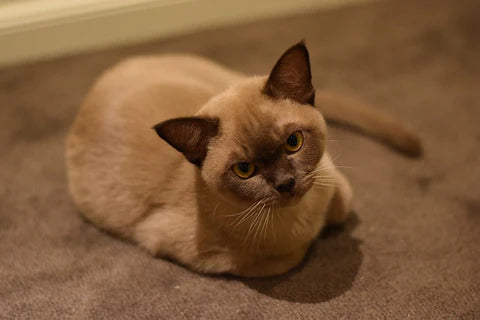
6. Cat Breeds Most Prone to Urinary Tract Problems
While any cat can develop urinary tract disease - particularly on a dry food diet - certain breeds carry elevated susceptibility through genetics, body conformation, or inherited metabolic tendencies. For owners of these breeds, a high-moisture dietary approach is not just beneficial but essential from early adulthood. All breed profiles are available in full on the Goofy Tails Cat Breed Wiki.


7. Long-Term Prevention: Building a Urinary-Protective Routine
The most important insight about feline urinary disease is that it is highly recurrent. A cat who has experienced one UTI, crystal episode, or FIC flare is significantly more likely to experience another - unless the underlying dietary and environmental conditions that created the first episode are addressed. Treatment by a veterinarian resolves the immediate crisis; diet and lifestyle change prevents the next one. For kittens of susceptible breeds, the Kitten Nutrition: From Weaning to Adult guide provides the framework for starting urinary-protective dietary habits from the earliest possible age.
The Daily Urinary Health Routine
| Habit | Why It Matters | How to Implement |
|---|---|---|
| Wet food as the exclusive primary diet | The highest-impact single change for urinary health. Switching from dry kibble to wet food typically doubles urine volume within the first week - directly diluting the mineral concentration that drives crystal formation. | Goofy Tails Chicken and Mackerel or Himalayan Trout and Anchovies twice daily as measured meals. No dry kibble as a primary food source. |
| Daily bone broth over every meal | Adds 90-95 ml of passive hydration per serving without depending on voluntary drinking. Over a lifetime, this cumulative hydration is the most consistently achievable urinary protection measure. | One Goofy Tails Chicken or Seafood Bone Broth poured warm over each meal. Make it a permanent daily habit, not an occasional treat. |
| Multiple fresh water sources | Cats prefer moving or fresh water. Multiple water stations in different locations increase the likelihood of voluntary drinking as a supplement to dietary moisture. | 2-3 water bowls or a water fountain in different rooms. Change water daily. Wide, shallow bowls are preferred by most cats over deep narrow ones. |
| Adequate litter boxes | Cats who cannot easily access a litter box hold urine longer, increasing mineral concentration and bladder irritation time. Inadequate litter provision is a direct urinary health risk factor. | One litter box per cat plus one additional. Clean at least once daily. Positioned in quiet, accessible, food-distant locations. |
| Daily active play and stress reduction | Play reduces stress cortisol, increases urination frequency through physical activity, and directly reduces FIC episode risk in susceptible cats. 15-20 minutes of active play twice daily is the minimum target. | Wand toys, puzzle feeders, and environmental enrichment. Consistent daily routine - Bombay and Siamese cats are particularly responsive to play-based stress management. |
| Monthly body condition monitoring | Obesity is an independent risk factor for FIC and urinary disease. Keeping a cat at healthy weight removes a significant inflammatory burden from the urinary system. Read the guide to managing obesity in cats through diet for the practical approach. | Rib palpation monthly - ribs should be easily felt with light pressure. Weigh monthly if possible. Adjust wet food portions if weight drifts. |
| Feline Vitality daily supplementation | Anti-inflammatory, stress-adaptogenic, and immune-supportive actives that address the biological drivers of recurrent FIC and urinary tract inflammation at the cellular level - beyond what dietary change alone achieves. | One serving of Feline Vitality poured over any meal daily. Available exclusively on goofytails.com. |
8. Frequently Asked Questions
Q: How do I know if my cat has a UTI or a blockage?
Both present with straining in the litter box and frequent urination attempts, but the critical distinction is whether urine is being produced at all. A cat with a UTI or cystitis will produce small, frequent amounts of urine - sometimes blood-tinged. A cat with a complete blockage produces nothing despite repeated straining and squatting. If your cat - particularly a male cat - is straining with no urine output, becoming increasingly distressed or lethargic, or crying out during litter box attempts and producing nothing, this is a veterinary emergency requiring immediate attention. Do not attempt to manage this at home or wait overnight.
Q: Is wet food really enough to prevent UTIs in cats?
For the majority of cats whose urinary problems are driven by chronic dehydration and concentrated urine from a dry kibble diet - which is the most common scenario in India - switching to wet food as the exclusive primary diet produces a dramatic reduction in recurrence risk. Studies consistently show that cats on wet food diets have significantly higher urine volume, lower urine specific gravity, and markedly reduced crystal formation rates compared to cats on dry food. However, wet food alone does not address stress-driven FIC (which requires environmental management alongside diet), does not replace veterinary treatment for active infections or blockages, and is most effective when combined with daily bone broth and consistent litter box hygiene. It is the foundation of prevention, not a complete solution in isolation.
Q: My cat was just treated for a urinary blockage. What should I feed him going forward?
The dietary transition after a blockage is one of the most important things you can do to protect your cat. Switch immediately to high-moisture wet food (Chicken and Mackerel or Himalayan Trout and Anchovies) as the exclusive primary diet - no dry kibble at all. Add warm Goofy Tails Chicken or Seafood Bone Broth to every meal, twice daily, to maximise urine dilution during the recovery period. Begin Feline Vitality supplementation for anti-inflammatory and immune support as the urinary tract heals. Ensure multiple fresh water sources are available. Your veterinarian may also prescribe a specific prescription urinary diet for the immediate post-blockage period - follow their guidance and introduce Goofy Tails wet food as the transition diet once the acute phase is managed.
Q: My cat has had FIC three times this year. What am I doing wrong?
Recurrent FIC is almost always a signal that either the diet or the environment - or both - have not been adequately addressed after previous episodes. The most common gaps are: continuing to feed dry kibble (even partially), insufficient hydration from dietary moisture alone, untreated or unrecognised household stressors (litter box problems, multi-cat tension, owner routine changes), and insufficient environmental enrichment for a socially or mentally under-stimulated cat. The full intervention requires: exclusive wet food diet with daily bone broth, Feline Vitality for stress and anti-inflammatory support, adequate litter provision (cleaned daily), daily active play sessions, and a consistent household routine. FIC is manageable in most cats - recurrence is a signal to address the root causes more comprehensively, not to accept it as inevitable.
Q: Can kittens get urinary tract problems?
True UTIs are uncommon in kittens, but the dietary habits established in kittenhood have a direct bearing on urinary health throughout adult life. Kittens raised on dry kibble from weaning develop the low-thirst, concentrated-urine pattern that drives adult urinary disease from the earliest possible age. Kittens raised on wet food develop a healthy baseline of urinary dilution that carries into adulthood. For breed-specific guidance on kitten nutrition that prevents adult urinary vulnerability, see Kitten Nutrition: From Weaning to Adult. Starting wet food and daily bone broth from kittenhood is the most effective long-term urinary preventive strategy available.
Q: My cat drinks a lot from the water bowl - does that mean they do not need wet food?
A cat who is drinking visibly and frequently from a water bowl is often signalling that their diet is providing inadequate moisture - they are attempting to compensate for the dehydration their food creates. While this is better than not drinking at all, studies show that even cats who drink enthusiastically from water bowls on dry food diets typically still do not reach adequate daily fluid intake to produce sufficiently dilute urine for urinary health. Additionally, a cat drinking much more than usual can be a sign of an underlying health condition (diabetes, kidney disease, hyperthyroidism) and warrants a veterinary check-up. The combination of wet food plus bone broth is still the most reliable way to ensure genuinely adequate urinary hydration, regardless of voluntary drinking behaviour.
Q: Does stress really cause urinary problems in cats?
Yes - and this is one of the most well-established mechanisms in feline medicine. Stress triggers the cortisol response, which causes mast cells in the bladder wall to release histamine and other inflammatory mediators, directly causing the bladder inflammation that produces FIC symptoms. This is why FIC flares so consistently follow stressful events in susceptible cats - a house move, a new pet, a change in owner routine, insufficient social or play engagement. The biological pathway from stress to bladder inflammation is direct and well-documented. Managing it requires both dietary support (Feline Vitality's Ashwagandha is the most targeted available nutritional intervention for this pathway) and environmental management: consistent routine, adequate play, appropriate litter provision, and minimising identifiable stressors.
Q: What foods should I avoid for a cat with urinary problems?
Dry kibble is the most important food to eliminate - its low moisture content, high carbohydrate load, and typically elevated mineral content from cheap protein sources are the three primary dietary drivers of urinary disease in cats. Beyond dry food: avoid foods with unnamed by-products or fish meal as primary protein sources, as these often carry elevated magnesium and phosphorus that increase crystal formation risk. Avoid supplementing with excessive fish without ensuring the fish is high quality (wild-caught mackerel and trout rather than processed fish meal). Never add salt to food. Avoid foods with high plant protein content - these push urine pH toward alkalinity, which promotes struvite crystal formation. For the full guide to identifying problematic ingredients, see Signs Your Cat's Diet May Need Improvement.
Q: Where can I buy Goofy Tails products for my cat's urinary health?
Goofy Tails wet cat food meals (Chicken and Mackerel, Himalayan Trout and Anchovies) are available for quick delivery across India on Blinkit (same-day in select cities), Swiggy Instamart, Zepto, BigBasket, Amazon India, and Supertails. For the complete urinary health care range - Feline Vitality, Chicken Bone Broth, and Seafood Bone Broth - visit goofytails.com directly. The full range is also available on the website with detailed product information.
Conclusion: Diet Is Your Most Powerful Tool for Feline Urinary Health
 Feline urinary tract disease is painful, recurrent, and - in male cats - potentially life-threatening. But the majority of cases are directly driven by a single, entirely modifiable factor: a dry kibble diet that chronically dehydrates cats and creates the concentrated, mineral-rich urine that crystals, infections, and bladder inflammation thrive in. The most powerful thing you can do for a cat who has experienced urinary problems - or for any cat you want to protect from them - is to switch permanently to a high-moisture wet food diet with daily bone broth and consistent environmental management. These are not temporary measures. They are the permanent dietary foundation that a cat's urinary system requires to remain healthy across a lifetime.
- Switch to high-moisture wet food immediately - Goofy Tails Chicken and Mackerel or Himalayan Trout and Anchovies as the exclusive primary diet, permanently
- Add Goofy Tails Chicken or Seafood Bone Broth to every meal, warmed, once or twice daily - make it a non-negotiable daily habit for cumulative urinary protection
- Begin Feline Vitality supplementation for anti-inflammatory, immune, and stress-adaptogenic support that directly addresses the biological drivers of recurrent UTI and FIC
- Provide multiple fresh water sources in different locations - change daily, use wide shallow bowls or a water fountain
- Maintain one litter box per cat plus one additional - clean at least once daily - positioned in quiet, accessible locations
- Implement daily active play sessions (15-20 minutes twice daily) to reduce stress cortisol and increase urination frequency
- Monitor body condition monthly - obesity is an independent urinary disease risk factor that wet food and measured portions directly address
- For breeds with documented urinary vulnerability (Persian, Himalayan, British Shorthair, Burmese, Siamese, Ragdoll, Maine Coon, Tonkinese) - start protective dietary habits from kittenhood, not after the first episode
- If your cat shows any urinary symptoms after dietary transition, return to the veterinarian rather than managing at home - some conditions require prescription intervention alongside dietary management
- Never rely on dry kibble as a primary diet for a cat with urinary history - not even as a partial supplement to wet food during the recovery period
- Never wait overnight if a male cat is straining with no urine output - this is a veterinary emergency that requires immediate professional attention
- Never assume urinary symptoms are behavioural - a cat urinating outside the litter box or straining repeatedly is experiencing urinary pain, not expressing a preference
🐾 Start Your Cat's Urinary Health Journey with Goofy Tails
Human-grade, preservative-free, FSSAI-compliant, and vet-formulated. High-moisture wet meals, urinary-protective bone broths, and Feline Vitality supplementation - everything your cat needs for comprehensive, lasting urinary tract health protection.
Shop Cat Urinary Health Essentials →
Leave a comment