



The Complete Guide to Dog Nutrition for Indian Pet Parents
Everything Indian dog parents need to know about macronutrients, protein sources, healthy fats, vitamins, minerals, hydration, supplements, and feeding schedules — tailored for dogs living in India.
When it comes to our dogs, love is never enough — nutrition is the foundation of a long, healthy, and happy life. Yet most Indian pet parents are still navigating between rice and dal leftovers, generic dry kibble, and a flood of conflicting advice online.
This guide is the definitive resource for dog nutrition in the Indian context, covering everything from macronutrients and protein sources to feeding schedules, seasonal adjustments, supplements, and how to decode pet food labels.

1. Why Dog Nutrition Matters, Especially in India
Dogs occupy a unique nutritional space shaped by thousands of years of domestication. India's climate, ingredient availability, and home-feeding culture create a specific set of challenges. Poor nutrition is the #1 preventable cause of chronic illness in Indian dogs. Skin allergies, poor coat quality, obesity, and early joint degeneration are all linked to long-term nutritional imbalances.
Why Indian Dogs Have Unique Nutritional Needs
- High ambient temperatures accelerate energy expenditure and hydration needs
- Home-cooked food is often calorie-dense but micronutrient-poor
- Seasonal humidity affects gut flora and digestion
- Spices, salt, and onion — common in Indian kitchens — are toxic to dogs
2. Understanding Macronutrients for Dogs
2.1 Protein — The Building Block
Protein is the most critical macronutrient for dogs, providing the essential amino acids the body cannot synthesise. FSSAI and international nutritional guidelines recommend a minimum of 18% protein (dry matter basis) for adult dogs and 22% for puppies. Most active dogs benefit from 25–30%+.
- Puppies: 22–28% protein (dry matter basis)
- Adult dogs: 18–25% protein
- Senior dogs: Moderate-to-high protein (does not harm healthy senior kidneys)
- Active/Working dogs: Up to 30%+
2.2 Healthy Fats
Dogs use fat as their primary energy source. The ideal Omega-6:Omega-3 ratio is between 5:1 and 10:1. An imbalanced ratio is linked to chronic inflammation, skin issues, and joint problems.
- Omega-3 sources: Fish oil, flaxseed, chia seeds, hemp seeds
- Omega-6 sources: Chicken fat, sunflower oil, coconut oil
2.3 Carbohydrates
Dogs have no strict carbohydrate requirement, but digestible carbs like brown rice, quinoa, and sweet potato serve as energy sources and provide gut-supporting fibre. Avoid: white bread, pasta, corn syrup, and heavily processed starches.
3. High-Quality Protein Sources for Dogs

3.1 Animal Protein Sources
🍗 Chicken
Most widely available and digestible protein in India. Chicken breast offers lean protein; chicken liver is dense in vitamin A, B12, iron, and zinc.
🥩 Lamb
Rich, highly bioavailable protein. Lamb liver and organs are nutrient-dense, rich in iron, B12, and zinc. An excellent option for dogs with chicken sensitivities.
🦬 Buff (Buffalo Meat)
Widely available across India, lean, high-protein red meat with lower fat than beef. Rich in iron and B vitamins, ideal for dogs prone to weight gain.
🥚 Eggs
Highest biological value of any whole food (BV = 100). Complete protein, rich in choline, selenium, and riboflavin. Always use whole eggs, including the yolk.
🐟 Fish
Exceptional Omega-3 source (EPA + DHA). Critical for puppy brain development and senior joint health. Rohu, catla, and sardines are widely available in India.
🐾 Real Meat, Real Nutrition — Goofy Tails Wholesome Wet Meals
Made with real, identifiable, whole-food meats, human-grade ingredients crafted by expert chefs, and verified by veterinary nutritionists. No unnamed by-products, no fillers, no preservatives.
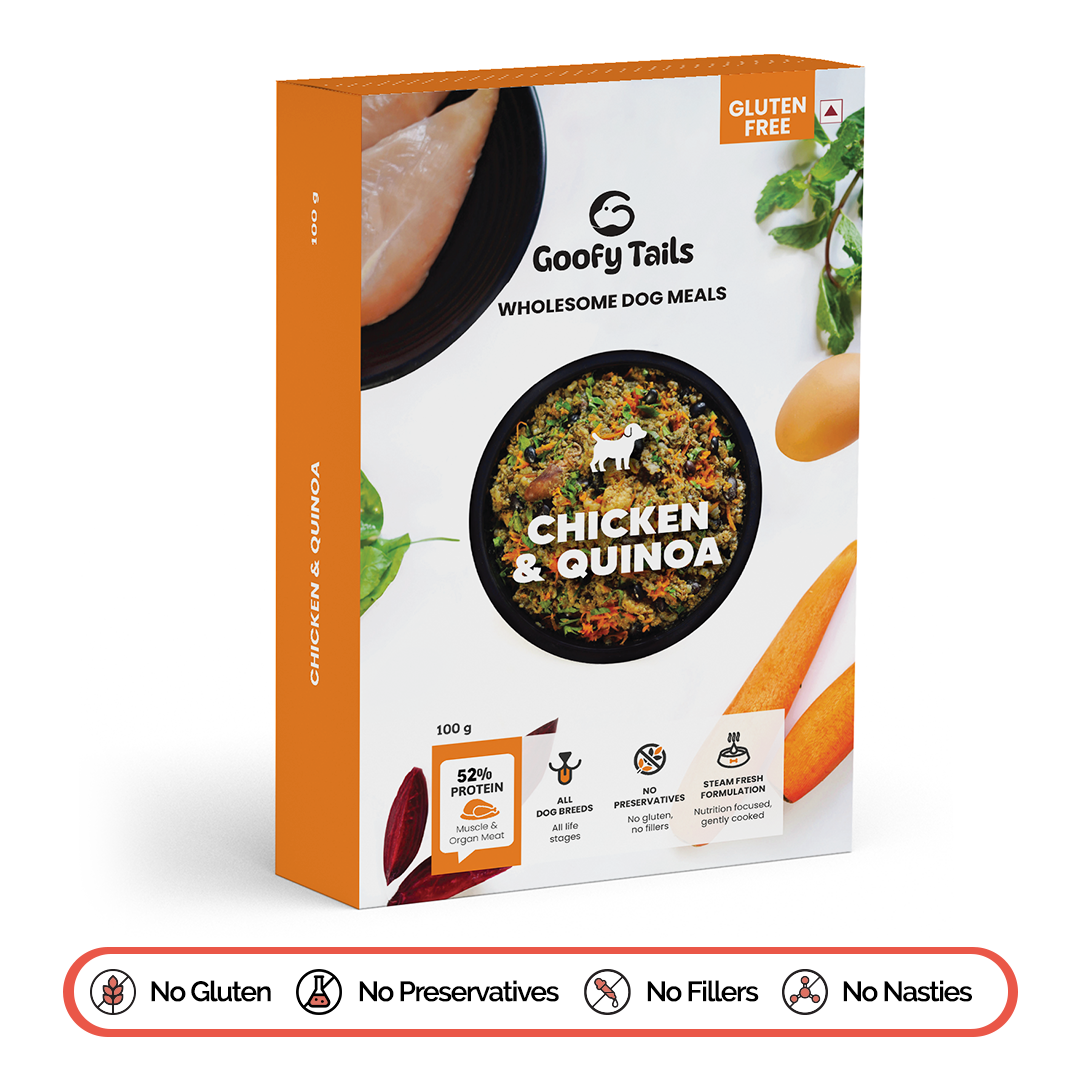
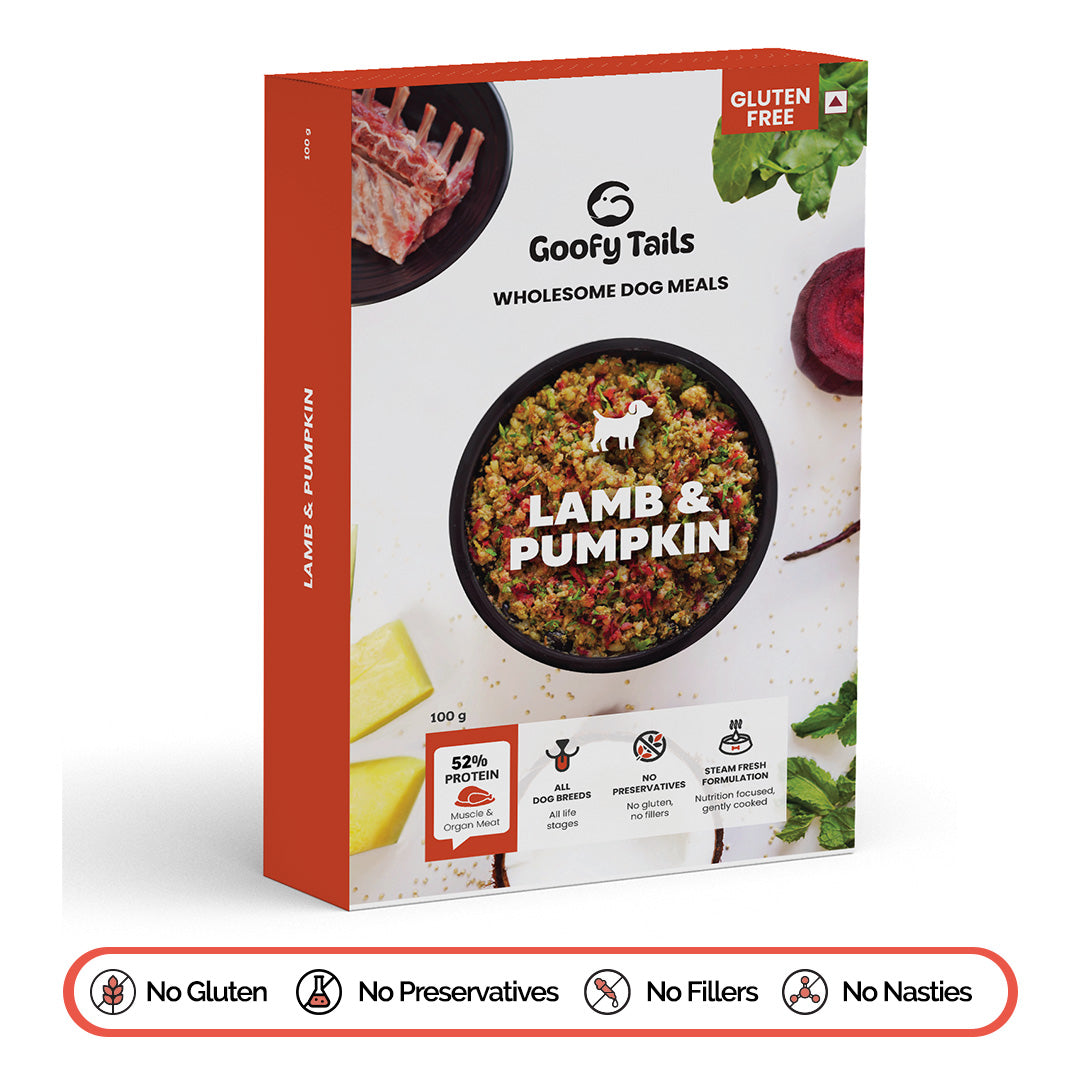
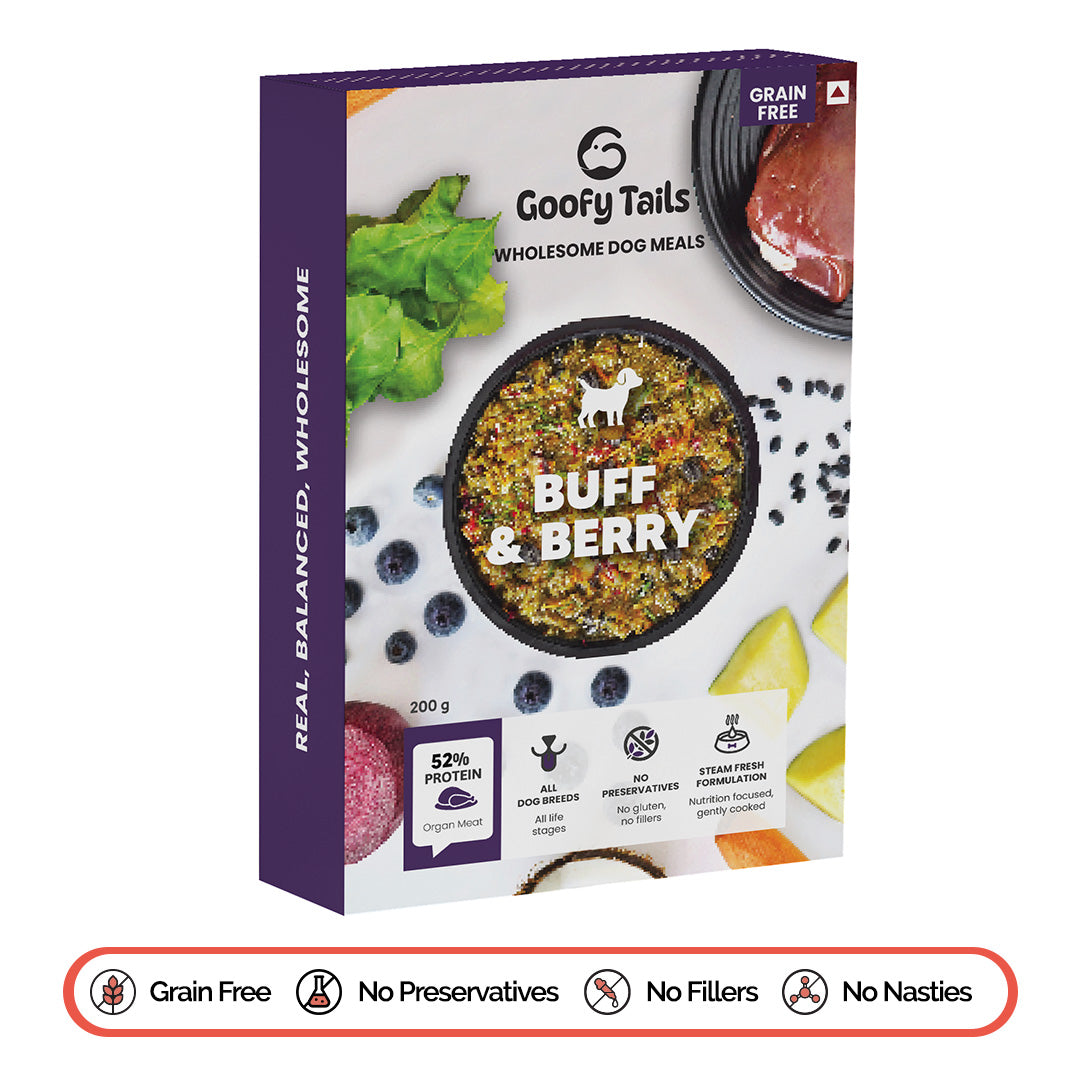
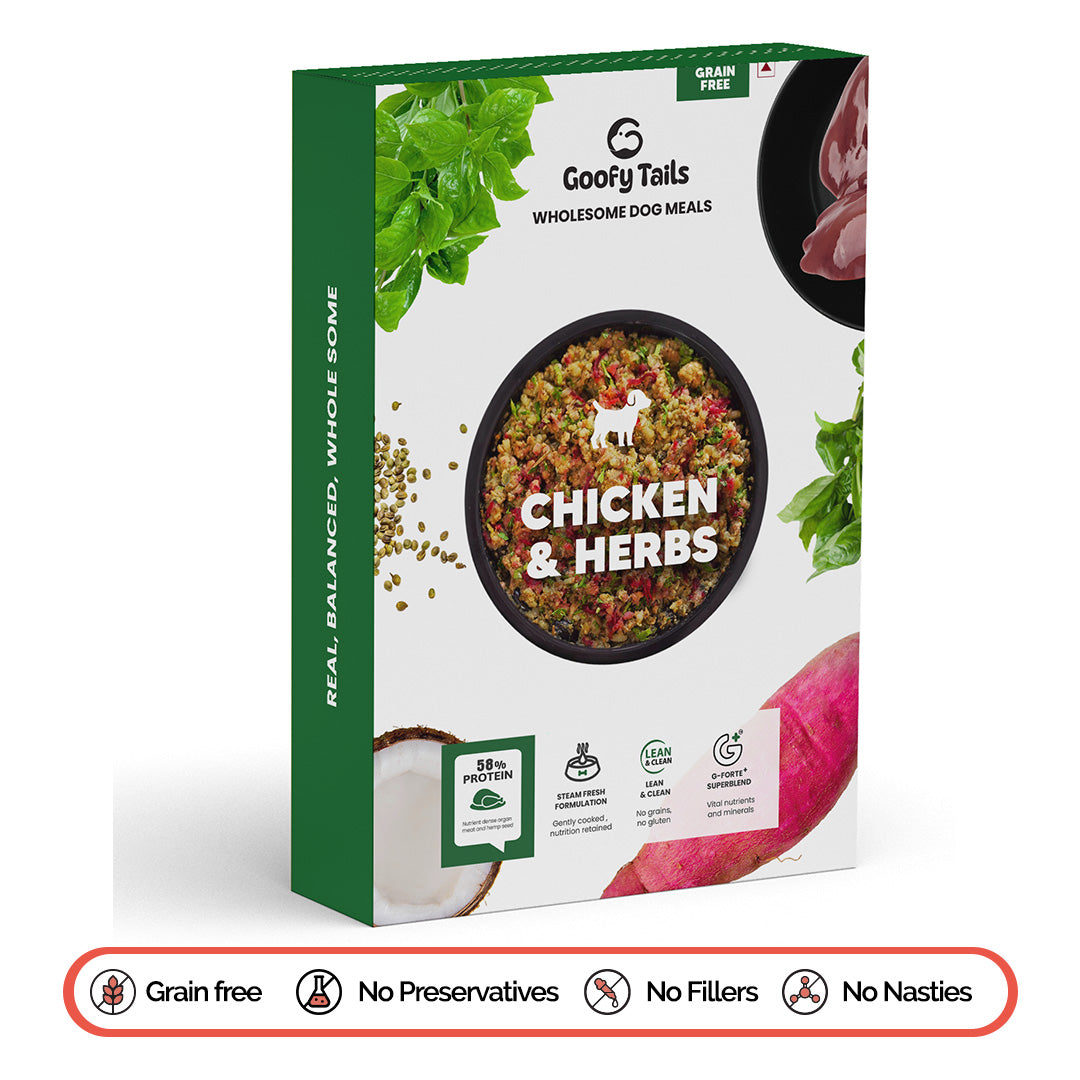

"As a Vet I recommend clean, honest and wholesome ingredients and an active lifestyle. Therefore, I trust and recommend Goofy Tails."Dr. Madhurita, President, Myvets Charitable Trust & Research Centre
3.2 Plant Protein Sources
Plant proteins can complement a dog's diet but are often incomplete and have lower digestibility than animal proteins.
- Quinoa — one of the few complete plant proteins, also provides fibre
- Paneer — high in protein and calcium; suitable for vegetarian dogs
- Chia & hemp seeds — add Omega-3s and fibre
4. Hydration and Bone Broth: The Foundation of Dog Health in India
In India's climate, hydration is one of the most overlooked aspects of dog nutrition. A 20 kg adult dog requires approximately 1–1.5 litres of water per day, rising to 1.5–2 litres in summer. Dogs fed predominantly dry kibble are in a state of chronic mild dehydration that, over time, contributes to kidney strain, urinary issues, and poor coat condition.
Bone broth is one of the most impactful additions to any dog's daily diet — it delivers fluid intake passively, contributes natural collagen and glycine for joint repair and gut lining health, and makes any meal significantly more palatable for even the pickiest dogs.


💧 Hydration Tip: The Broth Bowl Method
Pour one Goofy Tails Bone Broth pack (100ml) over your dog's meal once daily. This delivers approximately 90–95ml of additional fluid passively, supports joint health with natural collagen, and makes even the most routine meal irresistible. In Indian summers, freeze diluted bone broth into ice cubes as a cooling afternoon enrichment treat.
Shop Dog Bone Broth →5. Healthy Fats for Dogs
5.1 Good Fat Sources
- Coconut oil and MCTs — support gut health, skin, and coat
- Fish oil — highest Omega-3 source (EPA + DHA)
- Flaxseed oil — plant-based Omega-3 (ALA)
- Hemp seed oil — balanced Omega-3:Omega-6 ratio
- Bone broth, Collagen, and Glycine — for joint health and gut lining
5.2 Fats to Avoid
- Fried or rancid oils trigger inflammation
- Trans fats (vanaspati, margarine) are never appropriate for dogs
6. Essential Vitamins and Minerals for Dogs
6.1 Critical Vitamins
| Vitamin | Role | Food Sources |
|---|---|---|
| Vitamin A | Vision, immune function, skin & coat | Liver, eggs, pumpkin, carrots |
| Vitamin D3 | Calcium absorption, bone density | Egg yolks, fatty fish |
| Vitamin E | Antioxidant, skin health | Sunflower oil, spinach, eggs |
| Vitamin B12 | Nervous system, red blood cell formation | Meat, liver, eggs |
| Vitamin B3 (Niacin) | DNA repair, metabolism | Chicken, fish, liver |
| Vitamin C | Antioxidant, collagen synthesis | Pumpkin, berries, sweet potato |
6.2 Critical Minerals
- Calcium & Phosphorus: Bone and teeth health. Ratio must be 1:1 to 2:1 (Ca:P).
- Iron: Oxygen transport. Rich in lamb liver and red meat.
- Zinc: Immune function and skin health. Commonly deficient in grain-heavy diets.
- Magnesium: Muscle and nerve function; involved in 300+ enzymatic reactions.
- Potassium: Electrolyte balance; found in sweet potato, banana, pumpkin.
7. Treats: Rewarding Right

Treats are one of the most underestimated sources of empty calories in a dog's diet. They should account for no more than 10% of total daily calorie intake and should be free from artificial additives, excess salt, and low-quality fillers. Choose treats that deliver functional benefit alongside reward value.


8. Supplements: Targeted Support for Long-Term Health
Even on an excellent wet food diet, targeted supplementation addresses the specific health vulnerabilities most common in Indian dogs — joint stress from large breeds, skin and immune challenges from environmental allergens and pollution, and the chronic inflammatory load that affects dogs in urban India.

Why Canine Mobility+ is essential for large and active breeds:
- Glucosamine — maintains healthy cartilage, supports joint lubrication, and reduces stiffness. Ideal for senior dogs, large breeds, or those with joint discomfort. Supports long-term joint health and mobility.
- Chondroitin — supports better mobility and flexibility, especially in ageing or active dogs. Works synergistically with glucosamine for enhanced results.
- Collagen Peptides — support the repair and regeneration of joints, cartilage, and connective tissues. Helps improve flexibility and reduce stiffness in working and high-activity breeds.
- Curcuminoids — ideal for dogs dealing with age-related inflammation or recovering from illness or injury. Contributes to overall resilience and long-term health.

Why Canine Vitality supports skin, immunity, and resilience:
- Turmeric Curcumin — a potent natural anti-inflammatory that reduces the systemic inflammatory load driving allergic skin reactions, dermatitis, and immune challenges. Particularly valuable for dogs in Indian urban environments with high allergen and pollution exposure.
- Boswellia Extract — reduces swelling, skin irritation, and immune overreaction underlying allergic conditions. Valuable for dogs with recurring inflammatory flare-ups.
- Ashwagandha Root Extract — a natural adaptogen that helps regulate cortisol and the stress response. Important for dogs in busy households, those experiencing anxiety, or recently adopted dogs adjusting to a new environment.
- Collagen Peptides — provide the amino acid building blocks (glycine, proline, hydroxyproline) essential for maintaining skin barrier integrity, gut lining health, and structural resilience.
9. Dog Feeding Schedules: How Much and How Often

9.1 Feeding by Life Stage
| Life Stage | Meals / Day | Portion Guide | Key Focus |
|---|---|---|---|
| Puppy (2–4 months) | 4×/day | ~5–8% body weight | High protein, DHA for brain development |
| Puppy (4–6 months) | 3×/day | ~4–6% body weight | Protein, calcium for bone growth |
| Junior (6–12 months) | 2–3×/day | ~3–4% body weight | Transition to adult nutrition |
| Adult (1–7 years) | 2×/day | ~2–3% body weight | Balanced macros, healthy weight |
| Senior (7+ years) | 2×/day | ~2% body weight | Digestible, joint support, antioxidants |
9.2 Wet Food Portion Guide
- 10 kg dog → 200–400g per day
- 20 kg dog → 400–600g per day
- 30 kg dog → 600–900g per day
Divide across two meals. Adjust for activity level and body condition score (BCS).
9.3 Seasonal Adjustments for Indian Climates
☀️ Summer (March–June): Wet food is ideal — its 70–80% moisture content supports hydration in the heat. Add bone broth as a cooling topper. Freeze broth into ice cubes for enrichment.
🌧️ Monsoon (July–September): Prioritise easily digestible meals. Avoid raw food — high humidity increases bacterial and fungal risk. Wash bowls after every meal.
❄️ Winter (November–February): Slightly increase calorie intake for active outdoor dogs in colder regions. Serve meals warm to improve palatability.
10. Wet Food vs. Dry Food: What's Best for Indian Dogs?
| Factor | Wet / Fresh Food | Dry Kibble |
|---|---|---|
| Moisture | 70–80%, excellent hydration | 6–10%, needs extra water intake |
| Protein quality | Higher bioavailability from whole meats | Often from meat meals; variable quality |
| Digestibility | Higher, closer to a natural diet | Moderate, depends on ingredients |
| Palatability | Highly palatable; great for picky eaters | Less appealing to fussy dogs |
| Preservatives | None (with retort technology) | Often contains artificial preservatives |
| FSSAI compliance | Must meet FSSAI pet food standards | Must meet FSSAI pet food standards |
| Best for | Puppies, seniors, picky eaters, and hot climates | Active adults, convenience feeding |
🐶 Try the Goofy Tails Tester Pack
Explore all flavours — human-grade, preservative-free, and vet-approved. Rated 4.5/5 across 850+ reviews by Indian pet parents.
Explore the Trial Pack11. Common Nutrition Mistakes Indian Pet Parents Make
- Too much rice and roti: High-carb, low-protein diets cause muscle wasting, obesity, and micronutrient deficiencies over time.
- Adding salt or spices: Even minimal amounts harm the kidneys long-term.
- Excess dairy: Most adult dogs are lactose-intolerant. Small amounts of plain curd are fine.
- Cooked bones: Splinter and can perforate intestines. Never feed cooked bones.
- Abrupt food changes: Always transition over 5–7 days to avoid digestive upset.
- Ignoring body condition score (BCS): Over 50% of Indian pet dogs are overweight or obese.
- Home-cooked ≠ balanced: Most home diets are deficient in zinc, calcium, and Vitamin D.
12. How to Read a Dog Food Label in India
12.1 Ingredient List
- ✅ Look for: Real, named meat as the first ingredient (e.g., chicken breast, lamb liver)
- 🚫 Red flags: "Meat meal", "poultry by-product", unnamed fat sources, BHA/BHT/ethoxyquin
12.2 Guaranteed Analysis
- Crude Protein % — minimum protein content
- Crude Fat % — minimum fat content
- Moisture % — critical for comparing wet and dry food
Dry Matter Basis: DMB Protein % = (Crude Protein ÷ (100 − Moisture)) × 100
12.3 FSSAI Statement
In India, pet food is regulated by the Food Safety and Standards Authority of India (FSSAI) under the Food Safety and Standards Act, 2006. Look for the FSSAI licence number on packaging. Goofy Tails meals are manufactured in an FSSAI-licensed, human food-grade facility.
13. Frequently Asked Questions
Q: What is the best wet food for dogs in India?
The best wet dog food in India uses real, whole-food ingredients, is preservative-free, FSSAI-compliant, and formulated by veterinary nutritionists. Goofy Tails Wholesome Wet Meals are among the top-rated — with human-grade ingredients, full recipe transparency, and vet endorsements across 6 flavours covering chicken, lamb, buff, and vegetarian options. Available on Blinkit, Swiggy Instamart, Zepto, BigBasket, Amazon, Supertails, and directly on goofytails.com.
Q: Can I feed my dog only homemade food?
Yes, but it requires rigorous nutritional planning. Homemade diets frequently lack Zinc, Vitamin D3, and the correct Calcium:Phosphorus ratio. These deficiencies develop silently and cause serious long-term health problems. Consult a board-certified veterinary nutritionist, use a nutritionally complete recipe, and supplement daily with Canine Vitality (for micronutrient and immune support) and Canine Mobility+ (for joint health in active or large breeds) to cover the inevitable gaps.
Q: Is grain-free dog food better — and does Goofy Tails offer it?
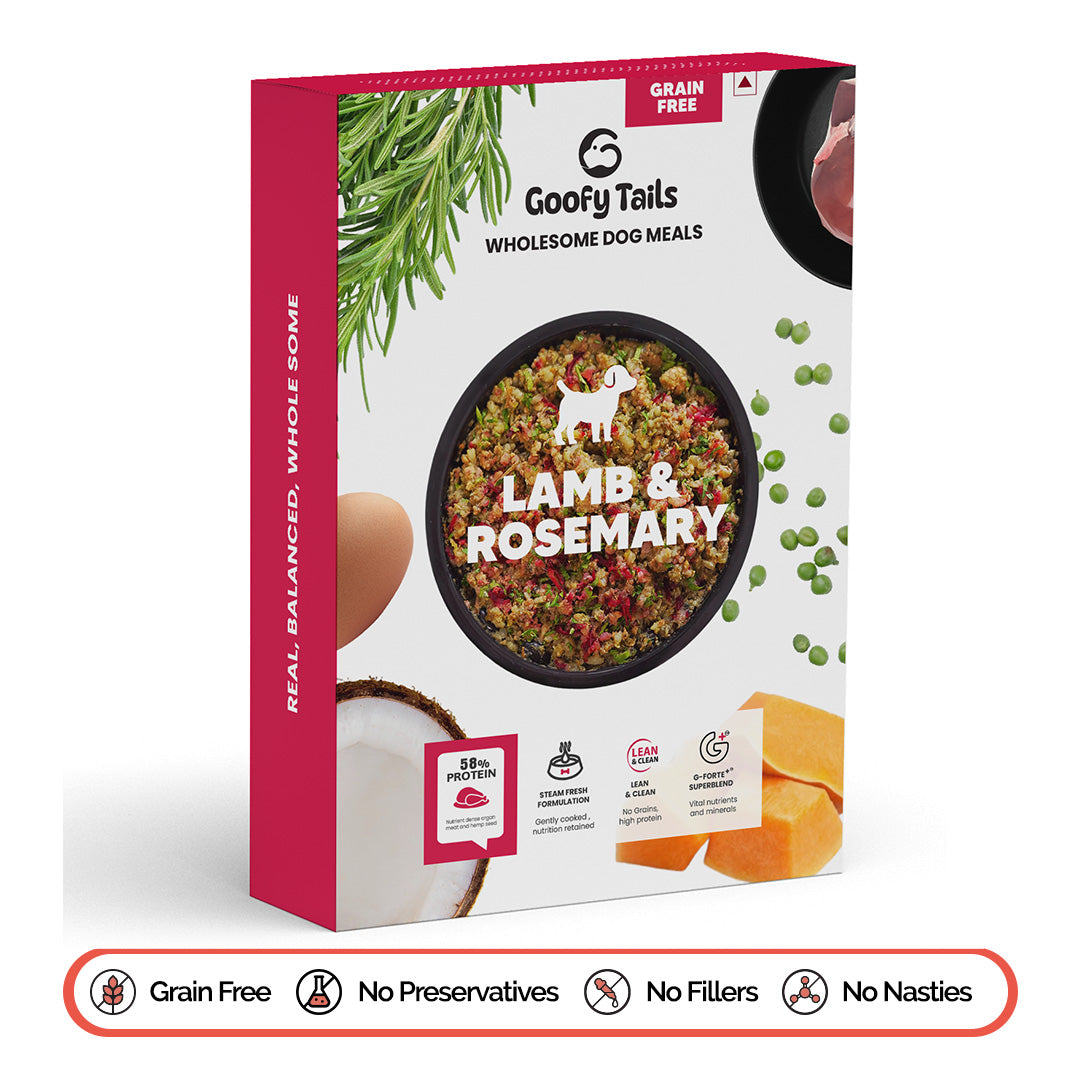
Grain-free isn't automatically better — it depends on your dog. Dogs with grain sensitivities, digestive issues, or skin allergies often thrive on grain-free diets. But for healthy dogs with no sensitivities, whole-food grains like brown rice and quinoa are excellent sources of energy and fibre. Goofy Tails offers both: the G-Forte+ range (Chicken & Herbs and Lamb & Rosemary) is completely grain-free at 58% protein, while Chicken & Quinoa and Lamb & Pumpkin include nutritious whole grains. You can choose based on your dog's specific needs — or rotate between both.
Q: How do I transition my dog to a new food?
Gradually over 5–7 days: start with 25% new food mixed with 75% old food, increasing every two days until fully transitioned. This allows your dog's digestive microbiome to adapt, minimising the risk of temporary loose stools. If transitioning from dry kibble to wet food, the change in texture and aroma usually means dogs accept the new food enthusiastically — the transition is typically smoother than switching between kibble varieties.
Q: How much Goofy Tails wet food should I feed my dog per day?
A general guide is 2–4% of your dog's body weight per day, split across two meals. For Goofy Tails packs (available in 100g and 200g): a 10 kg dog needs roughly 2–3 packs of 100g daily; a 20 kg dog needs 4–5 packs of 100g (or 2–2.5 packs of 200g); a 30 kg dog needs around 600–900g daily. Puppies and very active dogs need the higher end of the range. Goofy Tails can also be mixed with dry kibble as a nutritious topper — in that case, halve the wet food portion and reduce kibble proportionally.
Q: Are preservatives in dog food harmful?
Artificial preservatives like BHA and BHT are associated with long-term health concerns including organ stress and carcinogenic potential. Goofy Tails uses Retort Technology — airtight steam sealing — eliminating all artificial preservatives while maintaining an 18-month shelf life. The same FSSAI food safety standards that apply to human food apply to every Goofy Tails pack.
Q: Is wet food better than dry food for dogs in India?
For most Indian dogs, wet food has clear advantages — especially in India's climate. Wet food contains 70–80% moisture, critical for hydration in hot and humid conditions where dogs often don't drink enough water on their own. It's also more digestible, higher in bioavailable protein, and far more palatable for picky eaters. Many Indian pet parents use wet food as the primary meal or as a topper over kibble. For puppies, seniors, or dogs with kidney issues, wet food is almost always the better choice.
Q: What should I look for when buying wet dog food in India?
Five things to check:-
(1) Named protein first — the first ingredient must be a real, identifiable meat like "chicken breast" or "lamb liver", not "meat meal" or "animal by-product".
(2) No artificial preservatives — BHA, BHT, and ethoxyquin are red flags. (3) FSSAI licence number on the pack.
(4) Moisture content — should be 70–80% for genuine wet food.
(5) Transparent ingredient list — every ingredient should be identifiable and purposeful. Goofy Tails ticks all five.
Q: Can puppies eat wet food, and is Goofy Tails safe for puppies?
Yes — wet food is one of the best choices for puppies. Puppies need high protein (22–28% dry matter basis) for muscle development, DHA for brain growth, and easily digestible meals because their digestive systems are still maturing. Goofy Tails meals are suitable for all life stages — the G-Forte+ range at 58% protein supports rapid puppy growth, while ingredients like eggs, bone broth, and chia seeds provide the DHA, calcium, and Omega-3s puppies need most. Always introduce any new food gradually over 5–7 days.
Q: Do large or working breed dogs need joint supplements?
Large breeds (German Shepherds, Labradors, Golden Retrievers, Rottweilers) and working or highly active dogs are significantly more prone to hip dysplasia, elbow dysplasia, and joint deterioration than smaller breeds. Starting Canine Mobility+ proactively from 4–5 years of age — or earlier for dogs showing early stiffness — is one of the most impactful preventive health investments for these breeds. Glucosamine, chondroitin, collagen, and curcumin work together to maintain cartilage integrity and reduce the inflammatory load that accelerates joint degeneration. Early, consistent supplementation consistently outperforms late intervention.
Q: My dog has skin allergies — can diet help?
Diet plays a direct and significant role in allergic skin conditions in dogs. The most common dietary interventions are: switching to a single-protein, hypoallergenic wet food diet to identify and eliminate food allergens; ensuring adequate omega-3 fatty acids (from hemp seed, chia, or fish) to reduce systemic inflammation and strengthen the skin barrier; and adding Canine Vitality for its curcumin and Boswellia anti-inflammatory actives, which help regulate the immune pathways driving allergic reactions. For persistent skin conditions, a veterinary assessment is always necessary — but dietary improvement consistently reduces the severity and frequency of flare-ups regardless of the underlying trigger. For a detailed guide, see the Goofy Tails Dermatitis Guide →
Q: What are the signs that my dog's diet is not meeting their nutritional needs?
Common signs of dietary insufficiency in dogs include: dull, dry, or excessively shedding coat; recurring skin conditions, itching, or hot spots; poor muscle definition despite adequate calories; frequent loose stools or inconsistent digestion; low energy and reluctance to exercise; recurring ear infections; bad breath and visible tartar buildup; and slow wound healing. Long-term deficiency signs are more serious: joint stiffness in younger dogs (calcium or phosphorus imbalance), poor immune response leading to frequent illness, and weight gain despite normal portions (poor-quality carbohydrate-heavy diet). A diet review and veterinary check are the appropriate first response to any combination of these signs.
Q: Is Goofy Tails dog food FSSAI-approved?
Yes. Goofy Tails meals are manufactured in an FSSAI-licensed human food facility. The FSSAI licence number is printed on every pack — the same food safety standards that apply to human food apply to your dog's meal. This is the most rigorous food safety standard available in India and significantly exceeds what is required for standard pet food production.
Q: How do I manage my dog's weight if they are overweight?
Obesity in dogs is one of the most common and preventable health crises in Indian pet households — over 50% of Indian pet dogs are estimated to be overweight or obese. Management begins with honest body condition assessment: you should be able to feel ribs with light pressure but not see them. For weight loss: reduce total daily calories by 10–15%; switch to wet food (higher protein, lower carbohydrate — promotes satiety and lean mass retention versus fat); eliminate all table scraps and high-calorie treats; replace treat calories with freeze-dried chicken liver (low fat, high palatability); and increase structured daily exercise by at least 15 minutes. Never severely restrict calories — a safe weight loss rate is 1–2% of body weight per week. Always consult your vet before beginning a formal weight management programme.
Q: Which human foods are safe to give my dog as treats?
Safe occasional additions include: plain boiled chicken or lamb (no seasoning), cucumber slices (high water content, very low calorie), watermelon (seedless, hydrating), boiled sweet potato, and small amounts of plain curd. Unsafe foods — never feed these: onion, garlic, chives (toxic to red blood cells even in small amounts), grapes and raisins, chocolate, xylitol, macadamia nuts, avocado, alcohol, and raw dough. In the Indian kitchen context, assume that any home-cooked dish prepared with standard Indian spices, salt, onion, or garlic is not safe for your dog — this includes biryani, dal tadka, sabzi, namkeen, and papad.
Q: Which human foods are safe to give my dog as treats?
Safe occasional additions include: plain boiled chicken or lamb (no seasoning), cucumber slices (high water content, very low calorie), watermelon (seedless, hydrating), boiled sweet potato, and small amounts of plain curd. Unsafe foods — never feed these: onion, garlic, chives (toxic to red blood cells even in small amounts), grapes and raisins, chocolate, xylitol, macadamia nuts, avocado, alcohol, and raw dough. In the Indian kitchen context, assume that any home-cooked dish prepared with standard Indian spices, salt, onion, or garlic is not safe for your dog — this includes biryani, dal tadka, sabzi, namkeen, and papad.
Q: How does diet affect a dog's coat and skin health?
Coat and skin quality are among the most visible and diet-responsive aspects of a dog's health. The primary nutritional drivers of coat condition are: omega-3 fatty acids (EPA/DHA from fish, hemp, or chia), which reduce inflammation and maintain the skin barrier; protein completeness, as hair is almost entirely composed of keratin protein; and hydration status, since chronically dehydrated skin produces dull, brittle coats. A dog fed high-moisture wet food with adequate omega-3s will consistently show noticeably better coat quality than one fed dry kibble. Adding Canine Vitality (for its curcumin and collagen support) and bone broth (for gut-skin axis support) accelerates visible improvement. For breeds with persistent skin conditions, see the Goofy Tails Dermatitis Guide →
Q: Should senior dogs eat differently from adult dogs?
Yes, meaningfully so. The key changes in senior dog nutrition (7+ years) are: maintaining high-quality protein (contrary to older advice, reducing protein in healthy senior dogs accelerates muscle wasting without protecting kidneys); increasing omega-3 fatty acids (EPA/DHA) for joint health, cognitive function, and anti-inflammatory support; reducing total calories by 10–15% if activity levels have declined to prevent obesity; increasing meal frequency to 2–3 smaller meals rather than one or two large ones (easier on the digestive system and more stable blood sugar); and boosting hydration through wet food and bone broth (kidney function naturally declines with age). Starting Canine Mobility+ in middle age rather than waiting for visible stiffness consistently produces better long-term outcomes for joint health in senior dogs.
Q: Can I mix wet food and dry kibble together?
Yes — mixing wet food and dry kibble is a practical approach for many Indian pet parents balancing nutrition and cost. The most effective method is to use wet food as the primary component (60–70% of the meal by volume) and kibble as a smaller addition, rather than the reverse. This ensures the meal retains meaningful moisture content and animal protein quality from the wet food, while the kibble provides dental friction and cost efficiency. Always add warm water or bone broth to the kibble portion — dry kibble without added moisture continues to create a moisture deficit even when mixed with wet food. Never leave mixed meals out for extended periods, as the wet food spoils much faster than dry kibble alone.
Q: How do I know if my dog has a food allergy or intolerance?
Food allergies and intolerances in dogs present most commonly as: persistent itching, licking, or chewing at paws and face; recurring ear infections; chronic loose stools or inconsistent digestion; and skin redness, hot spots, or recurring dermatitis — particularly when these symptoms appear despite normal flea and parasite control. The most common dietary allergens in dogs are beef, chicken, dairy, wheat, and eggs — though any protein a dog has been repeatedly exposed to can become an allergen over time. The gold standard for diagnosis is a veterinary elimination diet trial: feeding a strict novel protein or hydrolysed protein diet for 8–12 weeks, with no other foods, treats, or flavoured supplements. If symptoms resolve during the trial and return when the original food is reintroduced, a food allergy is confirmed. Switching to a single-protein wet food like Goofy Tails (with clearly named ingredients) makes elimination trials significantly more manageable than with multi-ingredient kibble.
Conclusion: Nutrition Is the Foundation

Your dog's health, energy, coat, and longevity are directly shaped by what goes into their bowl every day. The changes that make the biggest difference are not complicated — they are consistent.
- Prioritise high-quality, bioavailable protein from real whole meats
- Include healthy fats (Omega-3s, coconut oil) for coat and brain health
- Add Chicken or Lamb Bone Broth daily for hydration and joint support
- Use Freeze Dried Chicken Liver for training — high value, low calorie
- Use Active Dental Sticks daily to prevent tartar and dental disease
- Start Canine Mobility+ proactively for large, working, or ageing breeds
- Add Canine Vitality for dogs with skin, immune, or stress-related concerns
- Don't neglect micronutrients — most homemade diets are deficient
- Wet food is advantageous for hydration and digestibility in India's climate
- Always look for FSSAI compliance and real, named ingredients on the label
- Never feed onion, garlic, grapes, chocolate, or salted/spiced human food
- Never assume homemade food is complete — supplement without exception if cooking from scratch
- Never free-feed a weight-prone breed — strict portion control is non-negotiable
🌿 Start Your Dog's Nutrition Journey with Goofy Tails
India's most transparent fresh dog food — human-grade ingredients, no preservatives, FSSAI-compliant, vet-formulated. Try all 6 flavours with the Tester Pack.
Shop Goofy Tails Wet Dog Food
Leave a comment